
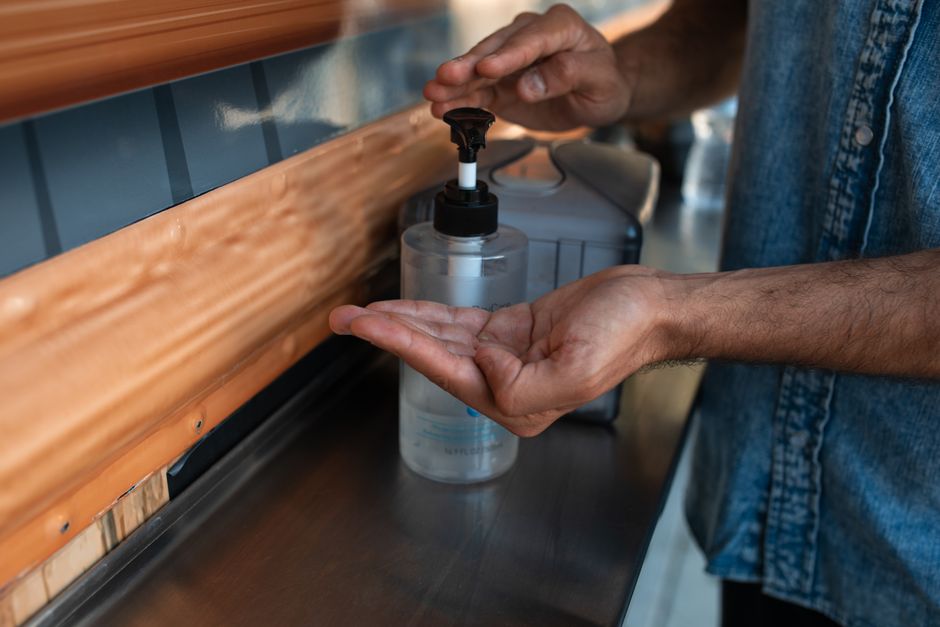
Yes, rubbing alcohol is isopropyl alcohol. More specifically, the rubbing alcohol you buy at the drugstore is almost always a mixture of isopropyl alcohol and water. The two most common strengths are 70% isopropyl alcohol and 91% isopropyl alcohol. The remaining percentage is purified water. This is the standard product sold for first aid, cleaning, and disinfection in the United States. There is a second, less common type of rubbing alcohol made from ethyl alcohol, but it is rarely found on store shelves. When you pick up a brown or white bottle labeled “rubbing alcohol,” you are holding isopropyl alcohol.
What Exactly Is Isopropyl Alcohol?
Isopropyl alcohol is a chemical compound with the formula C3H8O. It belongs to a class of organic compounds called alcohols. Methanol (wood alcohol) and ethanol (drinking alcohol) are the other two common ones. Isopropyl alcohol is distinct from both. It is made by combining water and propene, a byproduct of petroleum refining. The result is a clear, flammable liquid with a sharp odor.
Isopropyl alcohol is a solvent, meaning it dissolves oils, grease, and many types of dirt. This is why it is used in cleaning products, hand sanitizers, and industrial degreasers. It is also a disinfectant. It kills bacteria, viruses, and fungi by breaking down their cell membranes and denaturing their proteins. The CDC recognizes isopropyl alcohol as an effective disinfectant at concentrations between 70% and 91%.
Pure isopropyl alcohol (99% strength) exists but is less common in households. It evaporates too quickly to be the best disinfectant. The 70% solution stays on a surface longer, giving it more time to kill germs. This is a non-obvious fact that many people get wrong. Higher concentration does not mean better disinfection.
Is Rubbing Alcohol the Same as Isopropyl Alcohol?
In almost every practical sense, yes. The United States Pharmacopeia (USP) defines rubbing alcohol as a solution containing either isopropyl alcohol or ethyl alcohol. But the vast majority of products sold as rubbing alcohol contain isopropyl alcohol. If you check the label on a standard bottle, the active ingredient will list “isopropyl alcohol” at 70% or 91%.
The confusion happens because the term “rubbing alcohol” describes a use, not a chemical. It was originally named for its use in rubbing down patients to reduce fever or soothe muscles. Over time, the name stuck even as its medical uses changed. Today, manufacturers are required by the FDA to list the specific type of alcohol on the label. So reading the ingredient list is the only way to be certain. But for practical purposes, the bottle labeled “rubbing alcohol” contains isopropyl alcohol.
There is one exception to watch for. Some specialty products labeled “rubbing alcohol” may contain ethyl alcohol with a bittering agent added. This is uncommon but possible. If you need isopropyl alcohol for a specific purpose like cleaning electronics or mixing a homemade cleaner, check the label. If it says “isopropyl alcohol 70%,” you have the right product.
Does the Percentage Matter for Disinfecting?
Yes, and the research is clear. The CDC states that isopropyl alcohol concentrations between 60% and 90% are effective at killing germs. But 70% isopropyl alcohol is actually more effective than 91% for disinfection. This sounds backward, but it is true.
The reason is that water helps the alcohol penetrate the cell walls of bacteria and viruses. Pure alcohol evaporates too quickly and can actually cause the outer layer of a germ to harden, protecting the inside. A 70% solution stays wet longer and penetrates deeper. Research published in the Journal of Hospital Infection found that 70% isopropyl alcohol reduced bacterial counts more effectively than 90% alcohol in controlled tests.
For home use, 70% isopropyl alcohol is the best choice for first aid, cleaning wounds, and disinfecting surfaces. The 91% version works but is better suited for cleaning electronics or removing sticky residue where you want fast evaporation and less moisture. Do not use either strength on open wounds without a doctor’s instruction, as it can damage tissue and delay healing.




What Are the Safety Risks of Isopropyl Alcohol?
Isopropyl alcohol is safe for external use on intact skin but dangerous if swallowed or inhaled in large amounts. The American Association of Poison Control Centers reports that ingestion of isopropyl alcohol can cause intoxication, slowed breathing, and even coma. A single tablespoon can be toxic to a child. Adults can tolerate more, but any intentional ingestion is a medical emergency.
Inhalation of concentrated isopropyl alcohol fumes can irritate the lungs and cause headaches, dizziness, or nausea. Use it in a well-ventilated area. Do not use it near open flames or sparks. Isopropyl alcohol is highly flammable. The National Fire Protection Association gives it a flammability rating of 3 out of 4, meaning it ignites easily at normal temperatures.
Skin contact with isopropyl alcohol can cause dryness and irritation, especially with repeated use. This is because it strips natural oils from the skin. If you use hand sanitizer or rubbing alcohol frequently, apply a moisturizer afterward. Do not use it on broken or irritated skin unless a healthcare provider tells you to. It can delay healing and cause pain.
Can You Use Isopropyl Alcohol on Acne, Piercings, or Ear Infections?
These are common but questionable uses. Some people report that isopropyl alcohol dries out acne pimples. It can, but it also strips the skin’s protective barrier and can cause more irritation and breakouts over time. Dermatologists generally recommend against it. A 2016 study in the Journal of Clinical and Aesthetic Dermatology noted that alcohol-based acne treatments are less effective and more irritating than benzoyl peroxide or salicylic acid.
For new piercings, isopropyl alcohol is too harsh. It can damage healing tissue and delay recovery. Piercing professionals recommend saline solution or mild soap and water instead. The Association of Professional Piercers specifically advises against using alcohol on healing piercings.
For ear infections, putting isopropyl alcohol drops in the ear is a common home remedy for “swimmer’s ear.” It works by evaporating trapped water and creating an environment that bacteria dislike. The American Academy of Otolaryngology notes that alcohol-based ear drops can help prevent swimmer’s ear but should not be used if the eardrum might be perforated. If you have ear pain, discharge, or hearing loss, see a doctor. Do not guess.
How Should You Store and Dispose of Isopropyl Alcohol?
Store isopropyl alcohol in its original container, tightly sealed, away from heat and flames. Keep it out of reach of children. A locked cabinet is safest. The FDA recommends storing it at room temperature, ideally between 60 and 80 degrees Fahrenheit. Do not leave it in a hot car or near a stove. The vapors can build up in enclosed spaces and ignite.
Do not pour isopropyl alcohol down the drain in large amounts. It can harm septic systems and aquatic life. Small amounts from cleaning rags or cotton balls are fine. For disposal of large quantities, check with your local waste management authority. Many communities have household hazardous waste collection sites. Never mix isopropyl alcohol with bleach or hydrogen peroxide. This creates toxic gases that can damage your lungs.
| Strength | Best Use | Evaporation Rate | Disinfection Effectiveness |
|---|---|---|---|
| 70% isopropyl alcohol | First aid, surface disinfection, hand sanitizer | Slower | Highest (per CDC) |
| 91% isopropyl alcohol | Cleaning electronics, removing adhesives | Faster | High but less than 70% |
| 99% isopropyl alcohol | Industrial cleaning, lab use | Fastest | Lower for disinfection |
Frequently Asked Questions
Can I drink rubbing alcohol?
No. Drinking isopropyl alcohol is toxic and can cause severe poisoning, coma, or death. Call poison control immediately if someone swallows it.
Is rubbing alcohol safe on skin?
It is safe on intact skin for short-term use but can cause dryness and irritation with repeated application. Do not use on open wounds.
Does rubbing alcohol expire?
Isopropyl alcohol does not expire in the sense of becoming dangerous, but it can evaporate over time. If the bottle is open for more than a year, the concentration may drop below 70% and lose effectiveness.
Can I use rubbing alcohol to clean my phone screen?
You can use a 70% isopropyl alcohol wipe on a phone screen, but avoid getting moisture into openings. Apple and Samsung now state that isopropyl alcohol wipes are safe for their devices.
