
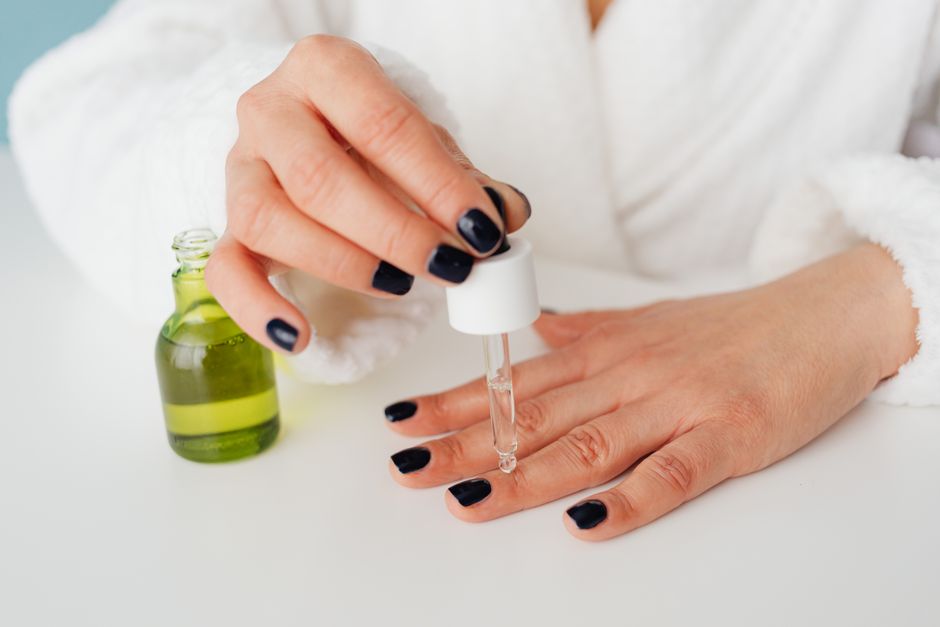
Nail polish is removed by solvents that break down the polymers and resins holding the color to your nail. Acetone is the most effective and widely used solvent for this job. Non-acetone removers use ethyl acetate or other gentler solvents that work more slowly but are less drying.
Does Acetone or Non-Acetone Remover Work Better?
Acetone removes nail polish faster than any other common solvent. It dissolves most regular polishes in under 30 seconds with light pressure from a cotton ball. Non-acetone removers typically require more soaking and rubbing to get the same result.
For gel polish, acetone is the only reliable option. Non-acetone removers will not break down the cured gel polymers. The CDC reports that gel polish removal requires 100% pure acetone, not diluted formulas.
Non-acetone removers work well for thin coats of regular polish and for people with sensitive skin. They contain ethyl acetate or isopropyl alcohol as the active ingredient. These solvents are less effective on glitter polishes, dark colors, and multiple coats.
What Removes Nail Polish Without Damaging Nails?
There is no evidence that any remover leaves nails completely undamaged. Every solvent strips some natural oils from the nail plate and surrounding skin. The question is which option causes the least harm.
Research published in the Journal of Cosmetic Dermatology found that acetone removes more natural lipids from the nail surface than non-acetone alternatives. However, these lipids regenerate within 24 to 48 hours in healthy nails. The visible damage people worry about — white spots, peeling, brittleness — is usually caused by mechanical trauma from scraping, not the solvent itself.
Some people report success with natural alternatives like rubbing alcohol, hand sanitizer, or white vinegar. Strong evidence is limited for these methods. Rubbing alcohol can remove thin polish but takes much longer and requires more friction. Vinegar has almost no effect on most modern nail polish formulas.
How Do You Remove Gel Polish at Home?
Gel polish requires a different approach because it is a cured plastic, not a drying film. The gel polymers must be broken down by soaking in pure acetone for 10 to 15 minutes. Filing the top layer first helps the acetone penetrate.
The American Academy of Dermatology recommends this method: file the shiny top coat off each nail, soak cotton balls in pure acetone, place them on each nail, wrap with aluminum foil, and wait 10 to 15 minutes. The gel should slide off with gentle pushing from a cuticle stick.
Do not peel or rip off gel polish. This pulls layers of the natural nail with it. Research shows that improper gel removal causes more damage than the gel application itself. Thin, weak, and split nails are common after peeling.
Some people use acetone-free gel removers. As of 2026 there is no clinical evidence that these products work as well as pure acetone. Most contain acetone at lower concentrations mixed with moisturizers, which slows down the process.



What Removes Nail Polish From Clothes and Surfaces?
Nail polish spills on fabric require immediate action. Blot the wet polish with a clean cloth to absorb as much as possible. Do not rub — this spreads the stain deeper into the fibers.
For washable fabrics, apply non-acetone remover to a clean cloth and dab the stain from the outside in. Acetone can damage synthetic fabrics like acetate, triacetate, and rayon. Test on an inconspicuous area first.
On hard surfaces like countertops and floors, rubbing alcohol or hand sanitizer often works without the strong smell of acetone. Isopropyl alcohol breaks down most polish formulas on non-porous surfaces. For dried spills, let the alcohol sit for 30 seconds before wiping.
Wood surfaces are tricky. Both acetone and alcohol can strip the finish. The National Wood Flooring Association advises using a plastic scraper for dried polish and avoiding any solvent near unfinished wood.
What Are the Side Effects of Nail Polish Removers?
Acetone is a strong solvent that dries out skin and nails quickly. Repeated exposure can cause contact dermatitis, which looks like red, cracked, or peeling skin around the nail bed. The National Institute for Occupational Safety and Health lists acetone as a skin irritant at high concentrations.
Inhaling acetone fumes can cause headaches, dizziness, and nausea in poorly ventilated spaces. The Occupational Safety and Health Administration recommends using acetone in areas with good airflow. Open a window or use a fan when removing polish with acetone.
Non-acetone removers also have side effects. Ethyl acetate is less drying than acetone but still strips natural oils. Some people develop allergic reactions to added fragrances, dyes, or conditioning agents in commercial removers.
Swallowing nail polish remover is dangerous. Even small amounts of acetone can cause serious poisoning. The American Association of Poison Control Centers reports thousands of calls each year about accidental ingestion, mostly in children. Keep all removers out of reach.
Common Misconceptions About Nail Polish Removal
A common myth is that soaking nails in warm water removes polish. Water has no chemical effect on nail polish polymers. Soaking only softens the nail plate itself, which can make the polish harder to remove.
Another misconception is that toothpaste removes nail polish. Some people report success with toothpaste, but strong evidence is lacking. The mild abrasives in toothpaste may help scrub off thin polish with enough friction, but this is not a reliable method.
Hairspray is sometimes suggested as a remover. Hairspray contains alcohol and can dissolve some polish, but it is less effective than dedicated removers. The spray format also makes it messy and hard to control.
Nail polish remover wipes are convenient but often less effective than liquid remover. Many wipes contain less solvent and dry out quickly. They work for touch-ups but struggle with multiple coats or glitter.
| Remover Type | Speed | Best For | Drawbacks |
|---|---|---|---|
| Pure acetone | Fastest | Gel polish, glitter, dark colors | Very drying, strong fumes |
| Non-acetone | Moderate | Regular polish, sensitive skin | Slower, needs more rubbing |
| Acetone-free gel remover | Slow | Gel polish with sensitive skin | Less effective, higher cost |
| Rubbing alcohol | Slow | Thin polish, hard surfaces | Not effective on thick coats |
| Hand sanitizer | Slow | Quick touch-ups, no supplies | Sticky residue, low effectiveness |
What Removes Nail Polish Safely During Pregnancy?
The American College of Obstetricians and Gynecologists states that occasional use of nail polish remover is unlikely to harm a developing baby. The concern is inhaling fumes in large amounts over long periods. Brief exposure during a manicure is considered safe.
Non-acetone removers produce fewer fumes than acetone. If you prefer acetone, use it in a well-ventilated room and keep the soak time short. Wash your hands thoroughly after removing polish to remove any residue.
Some people choose water-based or “natural” polish removers during pregnancy. These products typically contain soy-based solvents or plant-derived ethyl acetate. Evidence on their safety during pregnancy is limited, but they generally produce fewer fumes than acetone.
Talk to your healthcare provider if you have specific concerns. They can give personalized advice based on your health history and pregnancy stage.
How to Minimize Damage When Removing Nail Polish
Use a cotton ball or pad soaked in remover, not a paper towel or tissue. Paper products can leave fibers on the nail. Press the soaked cotton on the nail for 10 to 15 seconds before wiping. Let the solvent do the work instead of scrubbing.
Wipe from the base of the nail to the tip in one direction. Going back and forth pushes polish into the cuticle area. Use a fresh section of cotton for each nail.
After removal, wash your hands with mild soap and water. Apply a moisturizing hand cream or cuticle oil immediately. The American Academy of Dermatology recommends products containing petrolatum, dimethicone, or glycerin to restore moisture.
Give your nails a break between manicures. Nails that are constantly exposed to solvents and polish become weak over time. A few days without polish allows natural oils to replenish.
- Do not scrape polish off with metal tools. This damages the nail surface.
- Do not shake the remover bottle. Shaking creates bubbles that reduce effectiveness.
- Do not soak nails for longer than recommended. Extended exposure increases drying.
- Do not use expired remover. Old acetone may contain water that reduces potency.
- Do not reuse cotton balls. Used cotton can transfer dirt and bacteria to the nail.
Frequently Asked Questions
Can I use hand sanitizer to remove nail polish?
Hand sanitizer can remove thin coats of regular polish but takes longer and requires more rubbing than acetone or non-acetone removers.
Does hydrogen peroxide remove nail polish?
Hydrogen peroxide does not dissolve nail polish polymers and is not an effective remover for any type of polish.
How long should I soak nails in acetone for gel removal?
Soak gel nails in pure acetone for 10 to 15 minutes, checking every few minutes until the gel slides off easily.
Is it safe to use nail polish remover every week?
Weekly use is generally safe for healthy nails, but take breaks between manicures and moisturize after each removal to prevent dryness.
