
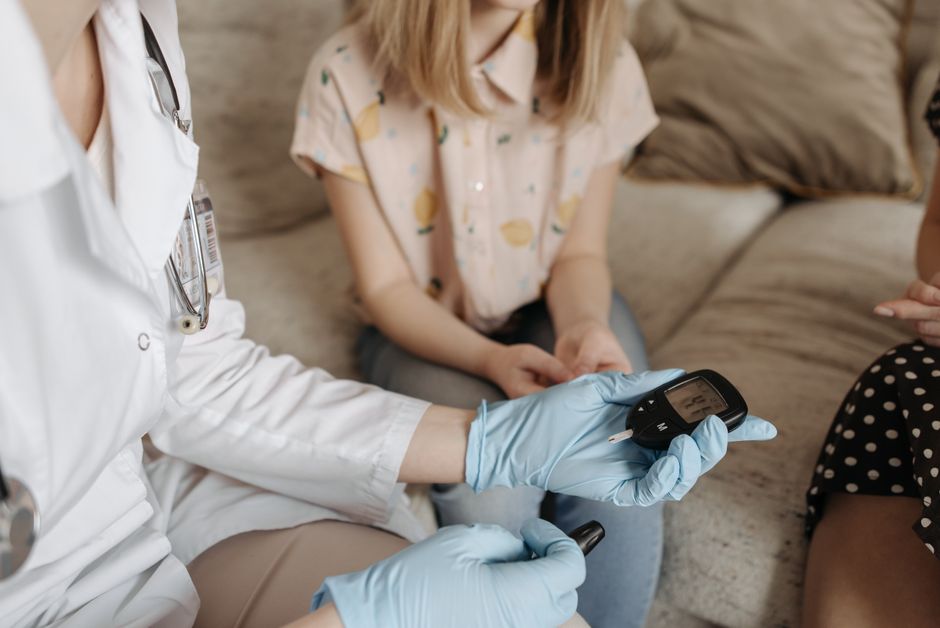
Most people with diabetes should check their blood sugar first thing in the morning before eating, then again before meals, and two hours after the first bite of each meal. The exact timing depends on your type of diabetes, your medications, and what your doctor is trying to learn from the numbers. For someone with type 1 diabetes or type 2 diabetes using insulin, checking four or more times per day is common. For someone with prediabetes or type 2 diabetes not on insulin, checking once or twice per day may be enough. This guide walks through the standard timeline and what each reading actually tells you.
When Should You Check Your Blood Sugar First Thing in the Morning?
Your fasting blood sugar is the number you get right after waking up, before you eat or drink anything. The American Diabetes Association recommends a fasting level between 80 and 130 mg/dL for most adults with diabetes. This number tells you how well your body managed blood sugar overnight while you slept. It also gives you a clean starting point for the day. A high fasting number can mean your liver released too much glucose overnight, or your evening insulin dose was too low. A low fasting number might mean your long-acting insulin or medication is too strong. If you wake up with a reading below 70 mg/dL, that is dangerously low and needs immediate attention. Do not skip this check. It is the most important one of the day for many people.
Do You Need to Check Before Every Meal?
Checking before meals gives you a baseline number. You need this number to decide how much insulin to take if you use rapid-acting insulin. The target before a meal is usually 80 to 130 mg/dL, the same as your fasting target. If your pre-meal number is already high, you may need to adjust your meal plan or insulin dose. If it is low, you might need to eat sooner or reduce your insulin. For people who do not take insulin with meals, pre-meal checks are less critical. Some studies suggest that checking before meals does not improve blood sugar control as much as checking after meals does. Your doctor may ask you to check before meals only a few times per week to spot patterns. Do not check before every single meal unless your doctor specifically told you to. That can lead to unnecessary finger sticks and wasted test strips.
Why Check Two Hours After a Meal?
This is the most revealing check for most people. Two hours after you take your first bite of a meal, your blood sugar should be below 180 mg/dL. The American Diabetes Association sets this as the post-meal target. This number tells you how well your body handled the carbohydrates you just ate. If your two-hour number is consistently over 180, your meal may have too many carbs, or your medication dose may need adjustment. Some research published in Diabetes Care found that post-meal blood sugar spikes are a strong predictor of long-term complications, even when fasting numbers look good. That is a non-obvious point. You can have a perfect fasting number and still have dangerous spikes after eating. Checking two hours after the meal catches those spikes. Do not check at one hour or three hours. Two hours is the standard because it captures the peak glucose response for most people.
| Check Timing | Target Range (mg/dL) | What It Tells You |
|---|---|---|
| Fasting (morning) | 80–130 | Overnight control, liver glucose release |
| Before meals | 80–130 | Baseline for insulin dosing |
| 2 hours after meal | Below 180 | Carb tolerance, medication effectiveness |
| Bedtime | 100–140 | Overnight safety, hypoglycemia risk |



Should You Check at Bedtime?
A bedtime check is mainly about safety. If your blood sugar is below 100 mg/dL at bedtime, you are at risk of a low blood sugar episode while you sleep. The American Diabetes Association suggests treating a pre-bedtime reading under 100 with a small snack containing about 15 grams of carbohydrates. If your bedtime reading is over 200 mg/dL, you may wake up with a high fasting number. That creates a frustrating cycle. A bedtime check is especially important if you take insulin or sulfonylurea medications. These drugs can cause hypoglycemia hours after your last dose. Do not skip this check if you have ever had a nighttime low. It takes 10 seconds and can prevent a dangerous overnight drop.
What About Exercise and Sick Days?
Exercise changes your blood sugar in ways that are hard to predict. Before exercise, check your blood sugar. If it is below 100 mg/dL, eat a small carb snack before you start. If it is above 250 mg/dL and you have type 1 diabetes, check for ketones before exercising. The CDC reports that exercise can lower blood sugar for up to 24 hours afterward. That means you should also check after exercise and again a few hours later. Sick days are a different situation. When you are sick, your body releases stress hormones that raise blood sugar. The American Diabetes Association recommends checking every four hours during illness, even if you are not eating normally. If your blood sugar stays above 240 mg/dL for more than 24 hours while sick, contact your doctor. Dehydration and high blood sugar together can lead to diabetic ketoacidosis, a medical emergency.
What Does Research Say About Checking Timing?
Research published in The Journal of Clinical Endocrinology & Metabolism found that people who checked their blood sugar at least four times per day had significantly lower A1C levels than those who checked less often. But the timing mattered. People who checked both fasting and post-meal numbers had better control than those who only checked fasting numbers. Another study in Diabetes Technology & Therapeutics showed that continuous glucose monitors provide better data than finger sticks for catching overnight lows and post-meal spikes. However, CGM devices are expensive and not covered by all insurance plans. For most people, finger sticks at the right times work well. The key is consistency. Checking at different times each day gives you scattered data that is hard to interpret. Pick a schedule and stick with it for at least two weeks before making medication changes based on the numbers.
Common Misconceptions About Checking Blood Sugar
One common myth is that you only need to check when you feel symptoms. That is dangerous. High blood sugar rarely causes noticeable symptoms until it is very high. Low blood sugar can cause symptoms like shakiness and sweating, but some people do not feel those symptoms until their blood sugar is dangerously low. Another myth is that checking more often always improves control. It does not. If you check ten times per day but do not act on the numbers, you are just wasting test strips. The benefit comes from adjusting your behavior or medication based on what you see. A third myth is that you should check exactly at two hours after a meal, down to the minute. That is not necessary. Within 15 to 30 minutes of the two-hour mark is fine. Life happens. Do not stress about perfect timing. Just be consistent enough to see patterns.
Some people believe that once their A1C is in a good range, they can stop checking. That is not correct. A1C is an average over three months. It can hide dangerous highs and lows. You still need daily checks to see what is actually happening hour to hour. Another misconception is that blood sugar targets are the same for everyone. They are not. Older adults, people with frequent hypoglycemia, and pregnant women all have different targets. Your doctor may set a higher fasting target for you if you are at risk of falls or confusion from low blood sugar. Do not compare your numbers to a friend’s or a chart you found online. Your targets are personal.
Frequently Asked Questions
How many times a day should I check my blood sugar?
Most people with type 1 diabetes check four to six times per day. People with type 2 diabetes on insulin may check two to four times per day. People with type 2 diabetes not on insulin may only need to check once or twice per day.
What is the best time to check blood sugar in the morning?
Check immediately after waking up, before you eat or drink anything. This gives you your fasting blood sugar level, which is the most reliable baseline for the day.
Should I check my blood sugar if I feel fine?
Yes. High blood sugar often causes no symptoms until it reaches dangerous levels. Routine checks catch problems you cannot feel.
Can I check blood sugar less often if my A1C is good?
No. A1C is a three-month average and can hide daily highs and lows. You still need regular checks to see what is happening day to day.
