
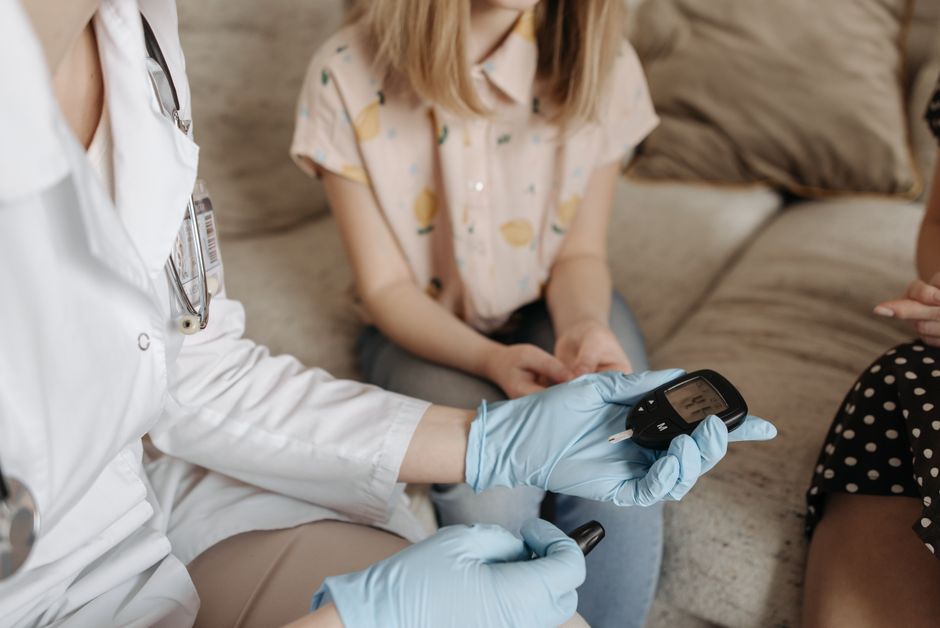
Checking your blood glucose is a simple process that involves a small drop of blood from your fingertip and a glucose meter. You place the blood on a test strip inserted into the meter, and within seconds the device displays your blood sugar level in milligrams per deciliter (mg/dL). This standard method is used by millions of people daily to manage diabetes and monitor how food, activity, and medication affect their body.
What You Need to Check Your Blood Glucose
Before you test, you need a few specific supplies. A blood glucose meter, often just called a glucometer, is the main device. You also need test strips made for that exact meter, a lancing device with a small needle called a lancet, and alcohol wipes or soap and water for cleaning your hands.
Most meters come as a kit with everything included. The meter itself stores your results so you can track patterns over time. Some newer models connect to smartphone apps via Bluetooth. The basic mechanics of testing remain the same regardless of the brand or price point.
Test strips are the ongoing cost. Each test uses one strip. Store them in their original container with the lid tightly closed. Humidity and heat can damage strips and give false readings. Check the expiration date on the container before using a new batch.
Step-by-Step: How to Test Your Blood Sugar
Wash your hands with warm soapy water. Dry them completely. Food residue on your fingers can contaminate the blood sample and skew the reading. Alcohol wipes work as an alternative, but make sure the alcohol has fully dried before you prick your finger.
Insert a test strip into the meter. The meter will turn on automatically in most models. Some meters require you to code the strip, though most modern devices do this automatically.
Use the lancing device to prick the side of your fingertip. The side of the finger has fewer nerve endings than the pad, so it hurts less. Squeeze your finger gently from the base toward the tip to form a small drop of blood. Do not squeeze too hard, as this can mix tissue fluid with the blood and dilute the sample.
Touch the edge of the test strip to the blood drop. The strip draws the blood in automatically. The meter counts down for a few seconds and then displays your glucose reading. Record the number in a logbook or your phone app immediately so you do not forget it.
When Should You Check Your Blood Glucose?
Testing frequency depends on your treatment plan and the type of diabetes you have. People with type 1 diabetes typically test more often, sometimes four to ten times per day. People with type 2 diabetes on oral medication may test less frequently, often once or twice daily.
Common testing times include fasting, which means first thing in the morning before eating or drinking anything. Testing before meals tells you your baseline level. Testing two hours after a meal shows how your body responded to that specific food. Testing before and after exercise shows how physical activity affects your glucose.
Your doctor will give you specific targets based on your individual health situation. Standard fasting targets generally range from 80 to 130 mg/dL for many adults with diabetes. Post-meal targets are typically below 180 mg/dL two hours after eating. However, these numbers can vary based on age, pregnancy status, and other medical conditions.
If you are sick or stressed, your blood sugar may run higher than usual. Illness causes the body to release stress hormones that raise glucose levels. You may need to test more frequently during these times. Always follow your healthcare provider’s guidance for sick-day management.


Understanding Your Blood Glucose Results
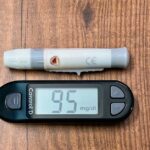
Your results fall into general categories. A normal fasting blood glucose is typically below 100 mg/dL. A fasting level between 100 and 125 mg/dL indicates prediabetes. A fasting level of 126 mg/dL or higher on two separate tests indicates diabetes. These are established diagnostic criteria used in clinical practice.
A single high reading does not mean your diabetes management is failing. Many factors affect blood sugar, including what you ate, how much you exercised, stress, sleep quality, and medication timing. One unusual number is less important than the overall pattern over days and weeks.
Consistently high readings suggest your current treatment plan may need adjustment. Consistently low readings, typically below 70 mg/dL, indicate hypoglycemia. Low blood sugar is dangerous and requires immediate treatment with fast-acting carbohydrates like glucose tablets or juice.
Bring your logbook or app data to every doctor’s appointment. Your healthcare team uses these patterns to adjust medication doses and provide personalized recommendations. Do not change your medication based on a single reading without consulting your doctor.
Alternative Methods: Continuous Glucose Monitors
A continuous glucose monitor, or CGM, is an alternative to fingerstick testing. A small sensor is inserted under the skin, usually on the upper arm or abdomen. The sensor measures glucose in the interstitial fluid, the fluid surrounding your cells, rather than in blood directly.
CGM devices transmit readings to a receiver or smartphone app automatically. Many provide real-time glucose data every few minutes, along with trend arrows showing whether your glucose is rising, falling, or stable. Some devices alert you when your glucose is too high or too low.
CGMs offer significant advantages. They eliminate the need for frequent finger pricks. They show glucose trends throughout the day, including overnight, which fingerstick testing cannot capture. This information helps identify patterns that intermittent testing misses.
However, CGM readings can lag behind actual blood glucose levels by several minutes. This matters during rapid glucose changes. Most CGM users still need occasional fingerstick tests to calibrate the device or confirm readings before making treatment decisions. Cost and insurance coverage also vary significantly.
Common Mistakes That Skew Your Results
Not washing your hands is the most common testing error. Even tiny amounts of food on your fingers can produce falsely elevated readings. One study showed that handling fruit before testing can significantly raise glucose results. If you cannot wash with soap and water, use an alcohol wipe and let it dry completely.
Using expired test strips is another frequent mistake. The chemicals on the strips degrade over time, producing inaccurate readings. Always check the expiration date and discard strips that have expired.
Squeezing your finger too hard is also problematic. This forces out tissue fluid along with blood, diluting the sample and potentially giving a falsely low reading. Gentle pressure from the base of the finger upward is sufficient.
Testing on a dirty or wet fingertip can affect results. So can testing on fingers with calluses, which may produce less blood. Rotating between different fingers helps prevent soreness and callus formation.
How to Get the Most Accurate Reading
Accuracy starts with proper technique. Wash your hands thoroughly and dry them completely. Use a fresh lancet each time. Lancets are single-use devices, and reusing them increases the risk of infection and can make the prick more painful.
Keep your meter and test strips at room temperature. Extreme heat or cold affects the chemistry of the strips. Do not leave them in a hot car or direct sunlight.
Bring your meter to your doctor’s appointments. Clinics can test your meter against their laboratory equipment to verify accuracy. The FDA requires meters to be within 15 percent of laboratory values, but individual meters can drift over time.
Know that home meters are not perfectly precise. A reading of 120 mg/dL might actually be 110 or 130 mg/dL. This is why patterns matter more than single numbers. Do not obsess over small differences between readings.
Frequently Asked Questions
How often should I check my blood glucose?
Your doctor determines testing frequency based on your diabetes type and treatment plan. People with type 1 diabetes often test multiple times daily, while those with type 2 diabetes may test once or twice daily.
What is a normal blood sugar level?
A normal fasting blood glucose is typically below 100 mg/dL. Levels between 100 and 125 mg/dL indicate prediabetes, and 126 mg/dL or higher on two separate tests indicates diabetes.
Can I check my blood sugar without pricking my finger?
Continuous glucose monitors use a small sensor under the skin and do not require routine finger pricks. However, most users still need occasional fingerstick tests to confirm readings or calibrate the device.
Why is my blood sugar different on two different meters?
Home glucose meters are not perfectly precise and can vary by up to 15 percent from laboratory values. Different meters can also vary slightly from each other, which is why tracking patterns over time matters more than any single reading.
