
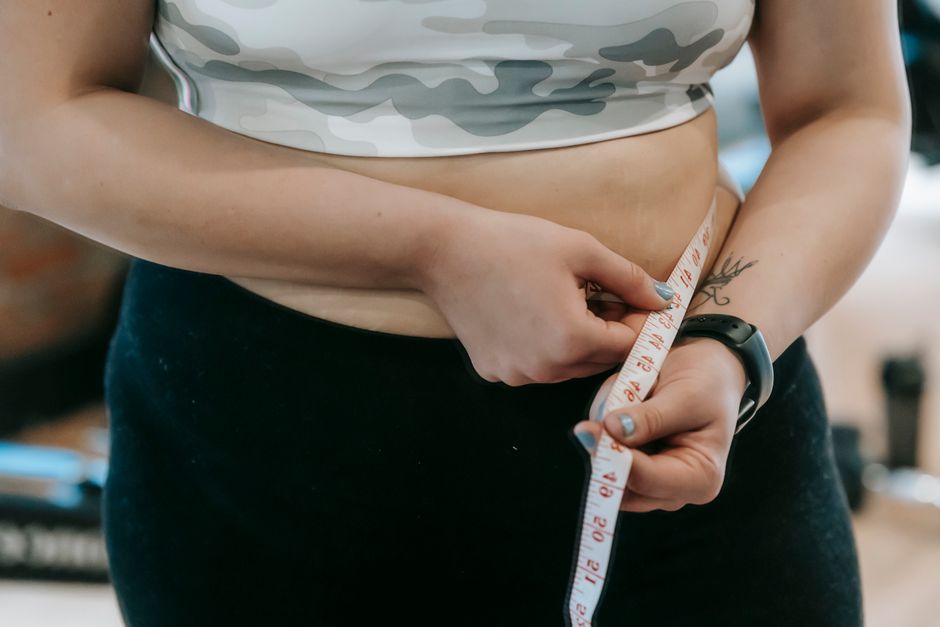
To burn belly fat through exercise, you need consistent aerobic activity and resistance training combined with a calorie deficit. Spot reduction—losing fat from just one area—is not possible. Your body loses fat from all over, and belly fat will shrink as total body fat decreases. The most effective approach includes moderate to vigorous cardio most days and strength training at least twice per week.
What Is the Best Exercise to Burn Belly Fat?
No single exercise targets belly fat alone. The best exercises are those that burn the most calories and build muscle, which raises your resting metabolism. Aerobic exercise such as brisk walking, jogging, cycling, or swimming is proven to reduce total body fat, including abdominal fat. Strength training preserves or increases muscle mass, helping you burn more calories even at rest.
High‑intensity interval training (HIIT) — short bursts of very hard effort followed by rest — can burn a lot of calories in a short time. Some research suggests HIIT may reduce abdominal fat slightly more than steady‑state cardio, but the difference is modest. The most important factor is consistency, not which specific type you choose.
Why Spot Reduction Doesn’t Work
Many people try exercises like sit‑ups or side bends hoping to melt belly fat. That approach does not work. Fat cells release stored energy into the bloodstream in response to a calorie deficit, not because the nearby muscle is contracting. Your genes largely determine where fat comes off first. Some people lose belly fat early; others lose it later.
Doing hundreds of crunches will strengthen your abdominal muscles, but it will not make the fat covering them disappear any faster. The only way to reduce belly fat is to create an overall calorie deficit through exercise and diet.
How Aerobic Exercise Helps Burn Belly Fat
Steady aerobic exercise lowers total body fat, including the deep visceral fat around your organs. Visceral fat is the type most linked to health risks like heart disease and type 2 diabetes. The American College of Sports Medicine recommends at least 150 minutes per week of moderate‑intensity aerobic activity, or 75 minutes of vigorous activity, for overall health. For weight loss, some people need more — 200 to 300 minutes per week — depending on their starting point and calorie intake.
Moderate intensity means you can talk but not sing during the activity. Vigorous intensity means you can only say a few words before needing a breath. Walking is a good starting place, but you may need to progress to jogging, biking, or other activities to continue seeing fat loss.





Strength Training for Belly Fat Loss
Lifting weights or doing body‑weight resistance exercises does not burn as many calories during the session as cardio does, but it has a lasting effect. Muscle tissue burns more calories at rest than fat tissue does. Building muscle raises your resting metabolic rate, so you burn more calories throughout the day.
Strength training also helps preserve muscle during weight loss. Without it, up to a quarter of the weight you lose can come from muscle instead of fat. Maintaining muscle keeps your metabolism higher and makes it easier to keep the fat off. Aim for two to three full‑body sessions per week, focusing on major muscle groups.
How Often Should You Exercise to Reduce Belly Fat?
Consistency matters more than intensity for most people. For noticeable changes, plan on four to five days of aerobic exercise spread across the week, plus two days of strength training. You can combine them — a 30‑minute jog followed by 20 minutes of weights is fine. Rest days are important for recovery and injury prevention.
If you are just starting, begin with three days of aerobic activity and one day of strength training. Gradually increase frequency and duration over several weeks. Expect to see changes in waist measurement and body composition within four to eight weeks if you are also managing your calorie intake. Exact timelines vary by individual.
How Diet and Exercise Work Together for Belly Fat
Exercise alone is rarely enough to significantly reduce belly fat. A calorie deficit — consuming fewer calories than your body burns — is necessary. For most people, a deficit of 300 to 500 calories per day leads to a sustainable weight loss of about one pound per week. Combining that with regular exercise accelerates fat loss and helps preserve muscle.
Focus on reducing added sugars, refined grains, and ultra‑processed foods while increasing protein, fiber, and vegetables. Protein is especially important during weight loss because it supports muscle maintenance and increases feelings of fullness. No specific food or supplement targets belly fat; overall diet quality matters.
Common Mistakes When Trying to Burn Belly Fat
- Doing only abdominal exercises. As explained, spot reduction does not work. You need full‑body fat loss.
- Overestimating calorie burn from exercise. A 30‑minute jog might burn 200–300 calories, easily canceled by one sugary drink or snack.
- Ignoring sleep and stress. Poor sleep and high cortisol levels from chronic stress are linked to increased abdominal fat storage. Aim for seven to nine hours of quality sleep per night.
- Changing exercises too often. Consistency over weeks and months is required. Switching routines every few days does not help.
- Expecting rapid results. Belly fat is often the last area to change. Patience and persistence are essential.
Frequently Asked Questions
Can I lose belly fat by doing crunches every day?
No. Crunches strengthen your abdominal muscles but do not specifically burn fat over that area. Fat loss comes from a calorie deficit and overall exercise.
How many minutes of exercise do I need to lose belly fat?
Most guidelines suggest at least 150 minutes of moderate aerobic activity per week for health, and 200 to 300 minutes for weight loss. Consistency over weeks is more important than a single session length.
Does walking help burn belly fat?
Yes, walking can contribute to belly fat loss when done consistently and combined with a calorie deficit. Brisk walking for 30 to 60 minutes most days is effective, especially for beginners.
How long does it take to see results from belly fat exercises?
Visible changes often appear within four to eight weeks of consistent exercise and diet adjustments. Individual results vary based on starting body composition, calorie deficit, and exercise intensity.
