
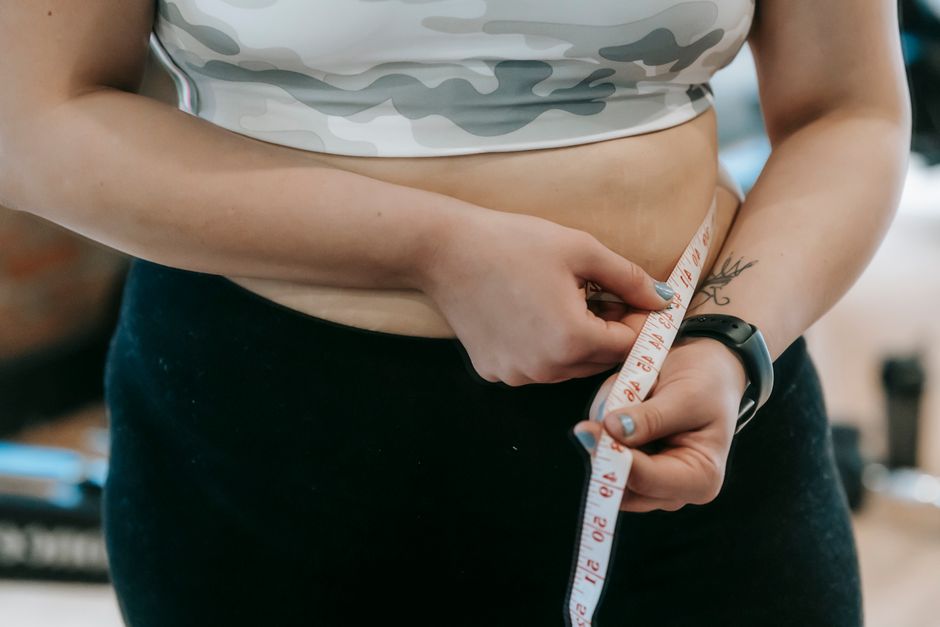
There is no single exercise that melts belly fat. The best approach combines regular aerobic activity, like brisk walking or cycling, with strength training for your whole body, plus a calorie-controlled diet. Spot reduction — doing endless crunches to shrink your waist — does not work. Your body does not burn fat from the area you are working.
Why Can’t I Target Belly Fat With Crunches?
Fat is stored energy. When your body needs energy, it releases fat from fat cells throughout your body, not from one chosen spot. The hormones that trigger this release travel through your bloodstream, so they reach every fat store at once.
This is why hundreds of sit-ups will strengthen your abdominal muscles but will not remove the fat sitting on top of them. You can build a strong core and still have a soft belly. The two things are separate.
Researchers have tested this idea directly. In one often-cited study, participants performed intense abdominal exercises for several weeks. The muscles got stronger, but the fat directly over them did not shrink more than fat elsewhere. The body simply does not cooperate with spot reduction.
So if crunches are not the answer, what actually moves the needle? The short answer is anything that burns a meaningful number of calories and builds or preserves muscle. That is where aerobic exercise and full-body strength training come in.
What Is the Best Exercise for Belly Fat?
If you want one answer, it is this: the exercise you will actually do consistently. Consistency beats intensity over months. That said, some types of activity have stronger evidence behind them than others.
Aerobic exercise has the most support for reducing total body fat, including belly fat. Walking, jogging, swimming, cycling, and dancing all count. Research published in journals such as Obesity and the Journal of Applied Physiology has repeatedly found that regular aerobic activity reduces visceral fat — the deep fat around your organs that matters most for health.
Strength training comes second but is not optional. Building muscle raises your resting metabolism slightly and helps you keep muscle while losing fat. Losing muscle during a diet makes it harder to keep weight off.
The best plan usually mixes both. Aim for aerobic activity most days of the week and strength training two to three times a week. This is the pattern most public health guidelines recommend, including those from the World Health Organization and the U.S. physical activity guidelines.
Here is the part many people miss: exercise alone rarely produces large belly fat loss. Diet does most of the heavy lifting. A 30-minute walk burns a few hundred calories at most. It is easy to eat those calories back without noticing.
How Much Cardio Do You Actually Need?
More is generally better, up to a point. Current U.S. guidelines recommend at least 150 minutes of moderate-intensity aerobic activity per week for general health. That is about 30 minutes, five days a week.
For fat loss specifically, some evidence suggests that going beyond 150 minutes may help. But the returns shrink as you add more. Doubling your exercise does not double your fat loss.
Moderate intensity means you can talk but not sing. Brisk walking, light jogging, and steady cycling all fit. Higher-intensity intervals can burn more calories per minute, but they are harder to sustain and not clearly better for belly fat over the long run.
The key variable is total energy burned over weeks and months, not the drama of any single workout. A calm 40-minute walk you repeat five times a week beats one brutal session you dread and skip.





Does Strength Training Help Belly Fat?
Strength training helps, but mostly indirectly. It builds and preserves muscle. Muscle burns more calories at rest than fat does, though the difference is smaller than many fitness ads suggest.
The bigger benefit shows up during weight loss. When you cut calories without resistance training, some of the weight you lose is muscle. That slows your metabolism and makes regain more likely. Lifting weights protects against that.
You do not need a gym. Bodyweight exercises like squats, push-ups, lunges, and rows using a band or dumbbells work fine. Two or three sessions a week, covering all major muscle groups, is enough for most people.
One clarification worth knowing: a stronger core does not automatically mean a flatter stomach. Core work improves posture and stability, which can change how your midsection looks. But it does not remove fat. Those are two different outcomes.
What About Diet and Belly Fat?
Diet is where most belly fat loss happens. You cannot out-exercise a poor diet for long. A modest calorie deficit — eating somewhat less than you burn — is the foundation.
What you eat also matters, beyond calories. Diets high in added sugar and refined carbohydrates are linked to more visceral fat in observational studies. Diets rich in fiber, vegetables, lean protein, and healthy fats are linked to less.
Protein deserves special mention. It helps preserve muscle during weight loss and tends to keep you full. Most adults do well aiming for protein at each meal, though exact needs vary by body size and activity.
Alcohol is worth a hard look. Heavy drinking is strongly associated with belly fat accumulation. Cutting back often produces visible change in the midsection, sometimes faster than adding exercise does.
Sleep and stress also play a role. Poor sleep and chronic stress are linked to higher levels of cortisol, a hormone that can promote fat storage around the abdomen. This does not mean stress alone causes belly fat. It means the picture is bigger than diet and exercise.
How Long Until You See Results?
Realistically, weeks to months. Most people who stick with a consistent plan see meaningful changes in waist size over two to three months, not two to three weeks.
Early weight loss is often water and glycogen, not fat. That can be encouraging but misleading. Fat loss is slower and steadier.
Belly fat does tend to respond well to lifestyle change compared with fat stored elsewhere. Visceral fat — the deep fat around organs — is more metabolically active and often shrinks relatively quickly when people lose weight. Subcutaneous fat, the soft fat just under the skin, tends to be more stubborn.
Measure your waist, not just your weight. The scale can stall while your waist shrinks, especially if you are gaining muscle. Waist circumference is a better signal of belly fat change than body weight alone.
What Does Not Work
A few popular approaches are worth naming honestly.
- Ab machines and gadgets. No device has been shown to spot-reduce belly fat. They work the muscles underneath, not the fat on top.
- Waist trainers and wraps. These compress the midsection temporarily. They do not remove fat and can restrict breathing if worn tightly.
- Fat-burning pills and teas. Most have no strong clinical evidence behind them. Some carry real risks, including liver and heart problems.
- Extreme fasting or crash diets. These can produce fast weight loss, but much of it is muscle and water. Regain is common.
None of this means those products are harmless. It means the evidence for them doing what they claim is thin or absent. If a product promises targeted belly fat loss, be skeptical.
The Bottom Line
The best exercise for belly fat is regular aerobic activity combined with full-body strength training, supported by a sensible diet. No single move does it. Crunches build muscle but do not burn the fat above them.
Pick activities you can repeat for months. Walk, cycle, swim, lift, and eat a bit less than you burn. Track your waist, not just your weight. Give it time. Belly fat responds to consistency, not intensity or gimmicks.
Frequently Asked Questions
Can you lose belly fat by doing crunches every day?
No. Crunches strengthen your abdominal muscles but do not remove the fat covering them, because the body does not burn fat from one specific area. You need overall fat loss through diet and full-body exercise.
Is walking enough to reduce belly fat?
Walking can help reduce belly fat if you do enough of it consistently, and it counts toward the recommended 150 minutes of moderate activity per week. Results usually depend more on your overall diet and total activity than on walking alone.
How long does it take to see belly fat loss?
Most people see meaningful changes in waist size over two to three months of consistent effort, not weeks. Early weight loss is often water, while fat loss is slower and steadier.
Do waist trainers or ab belts burn belly fat?
No. These products compress the midsection temporarily and have not been shown to remove fat. Any slimming effect disappears once you take them off.
