
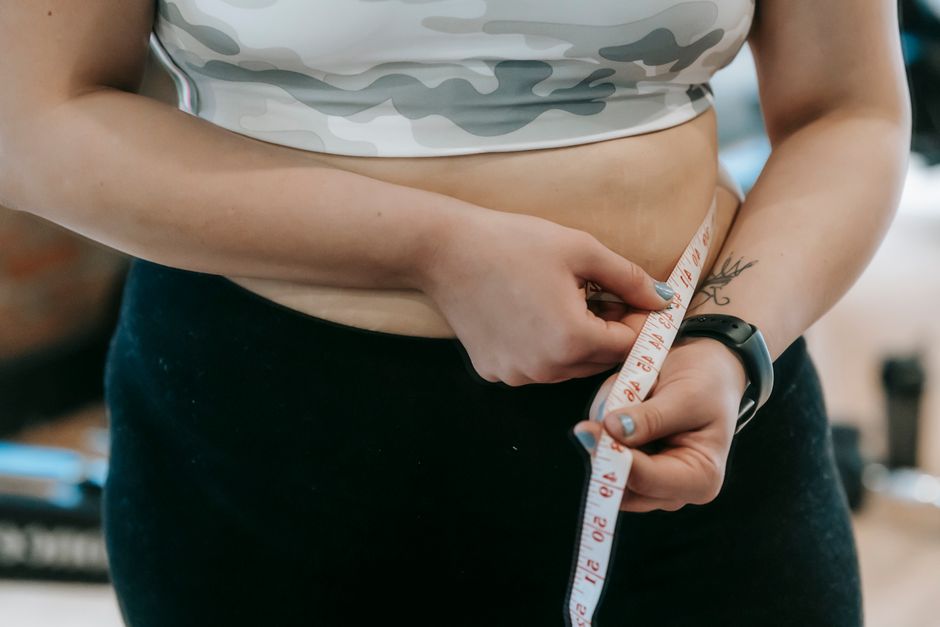
You cannot spot-reduce belly fat, and you cannot lose it without changing something about how you eat or move. For women who cannot or do not want to exercise, the most reliable path is a sustained calorie deficit achieved through diet, plus better sleep and stress management. Exercise helps, but it is not the only lever — and for belly fat specifically, food intake tends to matter more than most people expect.
That is the honest starting point. Belly fat is not a cosmetic problem you can target with a gadget or a tea. It is metabolically active tissue, and how much of it you carry is shaped by hormones, genetics, age, and daily habits. The good news is that several of those are within reach even if your body will not tolerate a workout.
Why Does Belly Fat Build Up in Women in the First Place?
Belly fat is not one thing. There are two distinct types, and they behave differently.
Subcutaneous fat sits just under the skin. You can pinch it. It is the softer layer most women notice around the waist.
Visceral fat lies deeper, packed around the organs in the abdomen. You cannot pinch it. It is the type linked to higher risk of heart disease, type 2 diabetes, and other metabolic problems. Visceral fat is also more responsive to diet and lifestyle change than many people realize — it tends to come off early when you create a calorie deficit.
Women carry fat differently than men, largely because of estrogen. Before menopause, fat tends to deposit on the hips, thighs, and buttocks. After menopause, as estrogen levels fall, fat shifts toward the abdomen. This is a well-documented pattern, not a personal failing. It means a woman in her fifties may see belly fat increase even if her habits have not changed.
Other contributors include:
- Chronic sleep deprivation, which affects appetite hormones
- Ongoing stress and elevated cortisol
- Genetics — where your body stores fat is partly inherited
- Age-related loss of muscle mass, which lowers resting calorie burn
- Alcohol intake, particularly frequent or heavy drinking
One clarification worth making: cortisol is often blamed for belly fat in ways that oversimplify the science. Elevated cortisol over time is associated with fat storage, but “adrenal fatigue” as a diagnosis is not recognized by mainstream medicine. If you suspect a hormonal issue, that is a conversation for a doctor, not a supplement label.
How Do You Get Rid of Belly Fat Women Without Exercise?
The core mechanism is a calorie deficit. Your body burns a certain number of calories each day, and if you consistently take in fewer than you burn, you lose fat — including belly fat. No food, tea, or patch changes that arithmetic.
For women who are not exercising, the deficit has to come almost entirely from the diet side. That is achievable, but it requires attention. The most effective approach is not a crash diet. It is a moderate, sustainable reduction built on foods that keep you full.
What tends to work:
- Protein at every meal. Protein is more satiating than fat or carbohydrate and helps preserve muscle mass during weight loss. Good sources include eggs, fish, poultry, Greek yogurt, beans, and tofu.
- Fiber-rich foods. Vegetables, fruit, legumes, and whole grains slow digestion and blunt hunger. Most adults fall short of recommended fiber intake.
- Fewer liquid calories. Sugary drinks, fancy coffee, and alcohol add calories without making you feel full.
- Portion awareness. Not strict weighing, but honest attention to serving sizes.
What tends not to work: skipping meals until you are ravenous, cutting entire food groups without a medical reason, or relying on willpower alone. Those approaches fail for most people over time, not because of weak character but because hunger is a biological signal, not a moral one.
If you have a medical condition, are pregnant or breastfeeding, or take prescription medication, talk to a clinician before making significant dietary changes. No clinical guidelines exist for rapid weight loss during pregnancy or breastfeeding, and restriction during those periods should be managed by a professional.
Can You Lose Belly Fat Without Any Exercise at All?
Yes, weight loss without formal exercise is possible and well documented. Diet alone can produce meaningful fat loss, including visceral fat reduction.
But there is a trade-off worth understanding. When you lose weight without any physical activity, you lose some muscle along with fat. Muscle burns more calories at rest than fat does, so losing muscle can make it harder to keep weight off long term. This is one reason some clinicians encourage even light activity — walking, household tasks, standing more — even when structured exercise is not an option.
If exercise is genuinely off the table due to pain, disability, or medical advice, that does not mean the effort is wasted. It means protecting muscle matters more. Adequate protein intake becomes especially important in that situation. Some research suggests higher protein intake during weight loss helps preserve lean mass, though the exact amount needed varies by body size and health status.
Daily movement that is not “exercise” still counts. Taking the stairs, gardening, pacing during phone calls, and standing while cooking all add to the calories you burn. None of it replaces a workout, but it is not nothing either.





What Role Do Sleep and Stress Play in Belly Fat?
Sleep and stress affect belly fat through real, measurable pathways — not vague “wellness” language.
Short sleep changes the hormones that regulate appetite. Leptin, which signals fullness, tends to fall. Ghrelin, which signals hunger, tends to rise. The result is that you feel hungrier and less satisfied after eating. Over weeks and months, that shift can make a calorie deficit much harder to maintain. Research has consistently linked short sleep duration to higher body weight, though the relationship is complex and not purely cause and effect.
Chronic stress raises cortisol. Cortisol does not magically create belly fat on its own, but it can influence where fat is stored and increase appetite for high-calorie foods. Stress also disrupts sleep, which compounds the problem.
Practical steps that are well supported:
- Aim for a consistent sleep schedule, even on weekends
- Keep the bedroom cool and dark
- Limit alcohol close to bedtime — it fragments sleep
- Build in short stress-reduction practices you will actually do, such as slow breathing or a brief walk
None of this is dramatic. It is also not optional if diet changes are not producing results.
Do Belly Fat Supplements and “Fat Burners” Work?
No supplement has been shown in large, well-controlled human trials to produce meaningful belly fat loss on its own. That is the straightforward position.
The supplement market is largely unregulated in the United States. Products can be sold without proof of effectiveness, and some contain ingredients at doses that have caused liver injury or other harm. The FDA has issued warnings about specific weight-loss products over the years, and tainted supplements remain a real problem.
Some ingredients have small studies behind them — green tea extract, caffeine, and certain fiber supplements among them — but the effects, when present at all, are modest and inconsistent. None of them substitute for a calorie deficit. If a product promises fast belly fat loss without diet change, that claim is not supported by evidence.
Certain supplements can also interact with medications or worsen medical conditions. Talk to a pharmacist or doctor before starting anything, especially if you take prescription drugs or have liver, kidney, or heart concerns.
What About Hormones, Menopause, and Medical Causes?
If belly fat is increasing despite honest efforts with diet, it is worth ruling out medical contributors. This is not about finding an excuse — it is about not fighting a battle you cannot win with food alone.
Conditions and factors that can affect weight and fat distribution include:
- Perimenopause and menopause — falling estrogen shifts fat to the abdomen
- Hypothyroidism — an underactive thyroid can slow metabolism and cause weight gain
- Polycystic ovary syndrome (PCOS) — associated with insulin resistance and abdominal fat
- Cushing’s syndrome — a rare hormonal disorder that causes central weight gain
- Certain medications — some antidepressants, steroids, and diabetes drugs can promote weight gain
A doctor can assess these with a history, exam, and simple blood tests. If something is found, treatment may change the picture entirely. If nothing is found, you have ruled out the variables and can focus on diet with more confidence.
One more point on menopause: hormone therapy is a decision with real trade-offs and is not a weight-loss treatment. Whether it is appropriate depends on many factors, and that conversation belongs with a clinician who knows your history.
How Long Does It Take to See Results?
Fat loss from diet changes typically becomes visible over weeks to months, not days. Early weight loss on the scale is often water, not fat, which is why the first week can look dramatic and then slow down.
A reasonable, sustainable rate of weight loss is generally described in clinical guidance as roughly one to two pounds per week, though this varies with starting weight and individual factors. Faster loss is possible but harder to sustain and more likely to include muscle loss.
Belly fat specifically may not be the first place you notice change. Fat loss happens across the body, and where you see it first is largely genetic. Waist measurements taken consistently — same time of day, same tape position — can be a more useful tracking tool than the scale alone.
If nothing is changing after several weeks of honest effort, that is useful information. It may mean the deficit is smaller than you think, sleep is undermining you, or a medical factor is at play. Adjust one variable at a time and give it a few weeks before changing course again.
Frequently Asked Questions
Can you lose belly fat without exercise?
Yes. A sustained calorie deficit from diet alone can reduce belly fat, including visceral fat. Exercise helps but is not required for fat loss to occur.
What is the fastest way to lose belly fat without working out?
There is no fast method that is also safe and lasting. The most reliable approach is a moderate calorie deficit built on protein, fiber, and fewer liquid calories, combined with adequate sleep.
Do waist trainers or fat-burning creams work?
No. Waist trainers compress tissue temporarily and do not reduce fat, and no cream has been shown to produce meaningful fat loss in controlled studies.
Why is my belly fat increasing even though I eat the same?
Hormonal shifts, especially around menopause, change where the body stores fat. Thyroid problems and some medications can also contribute, so it is worth discussing with a doctor.
