
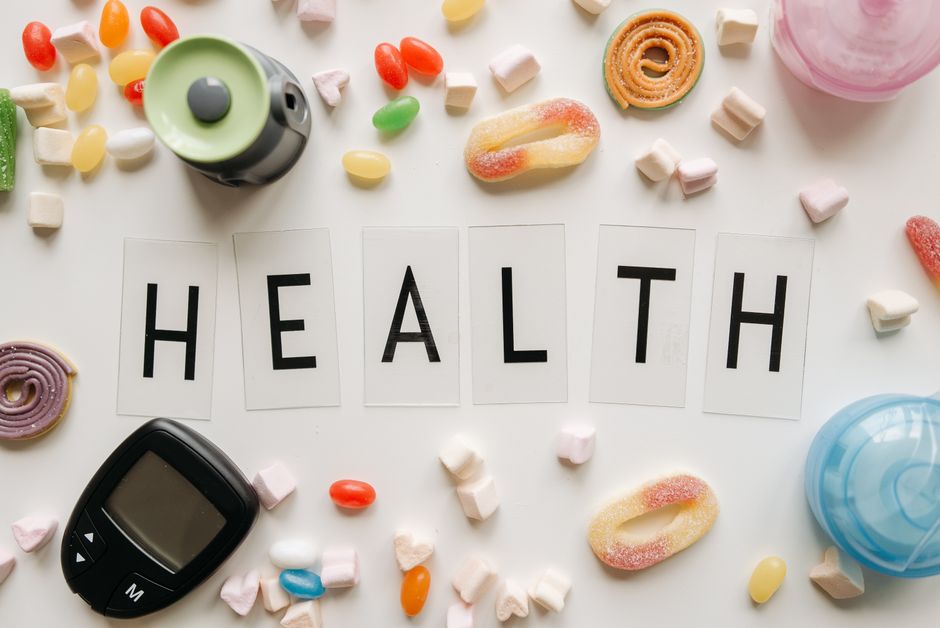
Your blood sugar rises when glucose enters your bloodstream faster than your body can move it into cells. The fastest way to bring it down is to move your body, drink water, and avoid eating more carbohydrate for a few hours. For most people with type 2 diabetes, a 10 to 15 minute walk after a meal lowers blood sugar measurably. If you take insulin or a sulfonylurea and your reading is very high with symptoms like vomiting or confusion, that is a medical emergency, not a moment for a walk.
What follows is a step-by-step look at what actually works, what the evidence supports, and where common advice falls short. None of it replaces guidance from your own clinician, who knows your medications and your history.
How To Bring Your Blood Sugar Down: The Steps That Work
Movement is the single most reliable non-food lever you have. When your muscles contract, they pull glucose out of the blood without needing much insulin at all. This is why a walk can drop a reading within 15 to 30 minutes.
The steps, in order of speed:
- Move. A brisk walk, marching in place, or climbing stairs uses glucose immediately. Muscle contraction opens a glucose doorway that does not depend on insulin.
- Drink water. High blood sugar makes you urinate more, which pulls water out of your body. Replacing that fluid helps your kidneys clear excess glucose through urine.
- Stop eating carbohydrate for now. Bread, rice, juice, and sweets will push the number higher. Give your body a few hours to work through what is already circulating.
- Check the number. You cannot manage what you do not measure. A reading tells you whether these steps are working.
- Take medications as prescribed. If you have a prescribed correction dose of insulin, follow your clinician’s plan for it. Never invent a dose on your own.
These steps work best for a moderate rise. They are not a treatment for diabetic ketoacidosis or a hyperosmolar emergency, which need hospital care.
Why Does Exercise Lower Blood Sugar So Quickly?
Working muscle takes up glucose through a transporter called GLUT4. Insulin normally signals this transporter to move to the cell surface. Muscle contraction does it too, through a separate pathway that does not require insulin.
That matters most for people with insulin resistance, where insulin signaling is sluggish. Their muscles can still respond to contraction. This is well-established physiology, not a fringe claim.
The timing is what surprises people. A short walk after a meal blunts the usual post-meal spike. Some studies suggest even light activity like standing or slow walking helps, though the effect is smaller than with brisk movement.
One caution. If you take insulin or a sulfonylurea, exercise can sometimes push you too low, especially if you exercise without eating or right at the peak of your medication. Check your reading before and after until you know your pattern.
What Should You Eat to Keep Blood Sugar Steady?
There is no single food that brings blood sugar down. The goal is to slow how fast glucose enters your bloodstream and to reduce the total load.
Carbohydrate is the nutrient that raises blood sugar most. That does not mean you must avoid it entirely, but the type and amount matter. Fiber slows absorption. Protein and fat eaten with carbohydrate slow the rise too.
What the evidence supports reasonably well:
- Choose whole grains, beans, lentils, and vegetables over refined bread, white rice, and sugary drinks.
- Eat protein with each meal. It blunts the post-meal rise.
- Keep sugary drinks out of your routine. Liquid sugar hits the bloodstream fast and offers little to slow it down.
- Watch portion size of starchy foods, not just their type.
Be skeptical of any product marketed as a way to “lower blood sugar” on its own. Cinnamon, berberine, and apple cider vinegar all have some small studies behind them, but the results are mixed and the effects modest at best. No supplement replaces movement, food choices, and prescribed medication.





Does Drinking Water Help Lower Blood Sugar?
Yes, indirectly and honestly. Water does not neutralize glucose. What it does is help your kidneys filter and excrete excess glucose in urine, and it replaces the fluid you lose when high blood sugar makes you urinate more.
Dehydration concentrates your blood, which can make a reading look higher than the true tissue picture. Staying hydrated keeps that from skewing things.
Water is the right choice here. Sugary drinks and fruit juice will raise blood sugar, not lower it. Some research suggests that even diet drinks are best kept limited, though the evidence on that point is not settled.
What About Stress, Sleep, and Blood Sugar?
Stress hormones raise blood sugar. Cortisol and adrenaline tell your liver to release stored glucose, which is useful if you are being chased and unhelpful if you are stuck in traffic.
Poor sleep does something similar. Short or fragmented sleep is linked to higher morning readings and worse insulin sensitivity. This is one of the more overlooked levers, because it is not about food at all.
Chronic stress and poor sleep are not quick fixes. But they are real contributors. If your numbers are stubborn despite good food and movement, sleep and stress are worth examining.
When Is High Blood Sugar an Emergency?
Most high readings are not emergencies. Some are. Knowing the difference matters.
Get emergency care if you have very high blood sugar along with vomiting, deep or rapid breathing, confusion, extreme thirst that will not quit, fruity-smelling breath, or severe abdominal pain. These can signal diabetic ketoacidosis or a hyperosmolar state, both of which need hospital treatment.
For people with type 1 diabetes, ketoacidosis can develop within hours, even at readings that are not extremely high. Do not wait to see if it passes.
For routine high readings without those symptoms, the steps above apply. Call your clinician if readings stay high for several days despite following your plan.
How Do You Know If It Is Working?
You measure. A blood glucose meter or a continuous glucose monitor shows you the number in real time. Without measurement, you are guessing.
What you are looking for depends on your situation. A fasting reading, a reading two hours after a meal, and an occasional reading during activity tell you different things. Your clinician can tell you what targets make sense for you.
One non-obvious point. A single high reading is information, not a verdict. Patterns over days and weeks matter far more than any one number. Track when highs happen and what came before them.
The bigger picture matters too. Long-term control, reflected in an A1C test, is what research links to lower risk of complications. Daily steps help you get there, but they are the means, not the end.
What Does Not Work, Despite What You Have Heard
Some popular advice does not hold up. Being clear about this saves people time and money.
There is no food or supplement that reliably brings a high reading down fast. Claims that a specific tea, spice, or tonic “flushes” sugar are not supported by clinical evidence.
Extreme fasting or skipping meals to force a number down can backfire, especially with certain medications. It can cause low blood sugar, which is dangerous in its own right.
And no single reading should send you into a panic. High blood sugar is managed over time, with consistent habits and the right medical care. Quick fixes are mostly noise.
Frequently Asked Questions
How fast can you bring blood sugar down?
A 10 to 15 minute walk can lower a reading within 15 to 30 minutes for many people. Very high readings with symptoms need medical care, not home steps.
Does drinking water lower blood sugar immediately?
No, water does not neutralize glucose. It helps your kidneys clear excess glucose and replaces fluid lost through urination, which supports the process over hours.
What is the fastest way to lower blood sugar without medication?
Physical movement is the fastest non-medication step, because working muscles take up glucose without needing insulin. Drinking water and avoiding more carbohydrate support it.
Can stress raise blood sugar?
Yes. Stress hormones like cortisol and adrenaline signal your liver to release stored glucose, which can push readings up.
