
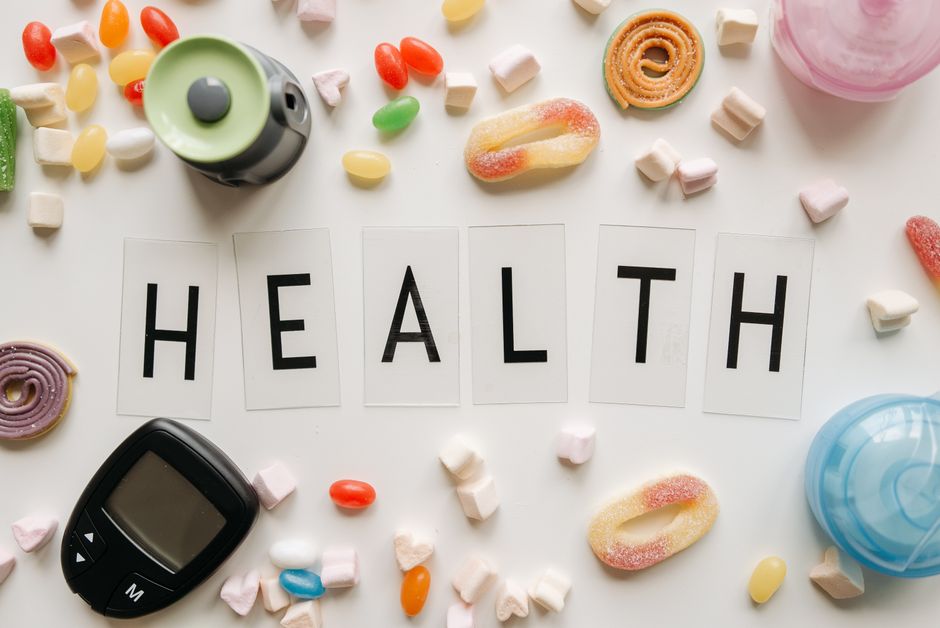
High blood sugar affects millions of Americans, and many are searching for practical ways to bring it down. The good news is that daily habits matter more than most people realize. Simple changes to what you eat, how you move, and even how you sleep can lower blood sugar within hours or days. Here are 8 straightforward methods that work, backed by solid evidence.
How To Help Blood Sugar Go Down 8 Simple Ways?
Blood sugar rises when carbohydrates break down into glucose and enter your bloodstream. Insulin, a hormone from your pancreas, normally moves that glucose into your cells for energy. When insulin isn’t working well or isn’t produced enough, glucose stays in your blood. The following eight strategies directly address this process.
1. Move Your Body After Meals
A short walk after eating is one of the most effective ways to lower blood sugar. Muscle contractions use glucose for fuel without needing insulin. This means your muscles can pull sugar out of your bloodstream even when insulin sensitivity is poor.
Research consistently shows that light to moderate exercise within 30 to 60 minutes after a meal reduces post-meal blood sugar spikes. Even 10 to 15 minutes of walking makes a measurable difference. If walking isn’t possible, standing instead of sitting helps too. One study found that breaking up sitting time with standing or light movement improved blood sugar responses significantly.
The type of exercise matters less than doing it consistently. Brisk walking, cycling, swimming, or resistance training all work. The key is muscle activity. The more muscles you engage, the more glucose they consume.
2. Eat Fiber Before Carbs
The order in which you eat your food changes how your body processes it. Eating vegetables, protein, or fat before carbohydrates slows digestion and blunts the glucose spike. This is called meal sequencing, and the evidence behind it is strong.
One well-designed trial found that eating protein and vegetables 15 minutes before carbohydrate-rich food lowered post-meal glucose by nearly 40 percent compared to eating carbs first. The fiber in vegetables forms a gel-like barrier in your intestines that slows sugar absorption. Protein and fat slow stomach emptying, which also delays glucose entering your bloodstream.
Practical application: start your meal with a salad or vegetables. Follow with your protein source. Finish with the starchy carbohydrates like rice, bread, or potatoes. This simple reordering costs nothing and requires no extra effort.




3. Drink Water Before Meals
Dehydration concentrates your blood, which raises glucose levels. When you’re well hydrated, your kidneys can flush excess sugar out through urine. Even mild dehydration can noticeably affect blood sugar readings.
One study found that people who drank about 2 cups of water before meals consumed fewer calories and had better blood sugar control. Water has zero calories and zero carbohydrates. It hydrates without affecting glucose directly.
Aim for water throughout the day, not just when you’re thirsty. Thirst is a late signal of dehydration. If you’re checking your blood sugar and seeing unexpected highs, review your fluid intake first. Sugary drinks like soda and juice do the opposite — they spike blood sugar rapidly and should be avoided entirely if blood sugar is a concern.
4. Choose Vinegar With Meals
Vinegar has genuine blood sugar-lowering effects. Acetic acid, the active compound in vinegar, slows the breakdown of carbohydrates in your digestive tract. It also improves how your muscles take up glucose from the blood.
Several studies show that consuming 1 to 2 tablespoons of vinegar before or with a high-carbohydrate meal reduces post-meal blood sugar. The effect appears strongest when vinegar is consumed before the meal rather than during it. Apple cider vinegar works, but so does any vinegar with acetic acid — white vinegar, red wine vinegar, or balsamic.
Dilute vinegar in water to protect your tooth enamel and esophagus. Never drink it undiluted. If you take medication for diabetes, especially insulin or sulfonylureas, check with your doctor before adding vinegar regularly. Combined with those medications, vinegar can push blood sugar too low.
5. Prioritize Sleep
Poor sleep directly raises blood sugar. When you’re sleep-deprived, your body releases more cortisol and adrenaline. These stress hormones signal your liver to release stored glucose, even if you haven’t eaten. The result is higher morning blood sugar and worse insulin sensitivity throughout the day.
One study found that just one night of partial sleep deprivation reduced insulin sensitivity by about 25 percent in healthy adults. Chronic short sleep — less than 7 hours per night — is consistently linked to higher fasting glucose and increased diabetes risk.
Sleep apnea is especially important. This condition causes repeated breathing pauses during sleep, which floods your body with stress hormones all night. Many people with type 2 diabetes have undiagnosed sleep apnea. Treating it with CPAP therapy can significantly improve blood sugar control. If you snore heavily or wake up tired despite enough sleep, ask your doctor about a sleep study.
6. Manage Stress With Intentional Breathing
Stress raises blood sugar through the same hormonal pathway as sleep deprivation. Cortisol and adrenaline tell your liver to release glucose for immediate energy. For people with insulin resistance, that glucose stays in the blood instead of entering cells.
Chronic stress keeps these hormones elevated around the clock. This means your blood sugar runs higher even when you’re not eating. Managing stress isn’t just about feeling better — it directly affects your glucose numbers.
Evidence supports simple breathing exercises for lowering stress hormones. Slow, deep breathing at about 6 breaths per minute activates the parasympathetic nervous system, which counteracts the stress response. A 5-minute breathing session twice daily can measurably reduce cortisol levels. Yoga and meditation have similar documented effects on stress markers.
7. Add Cinnamon to Your Diet
Cinnamon is one of the most studied spices for blood sugar control. The active compounds in cinnamon improve insulin sensitivity and slow gastric emptying. Multiple meta-analyses have found that cinnamon supplementation reduces fasting blood sugar and hemoglobin A1c, a measure of average blood sugar over the past 3 months.
The effect is modest but real. Studies typically use 1 to 6 grams per day — about half a teaspoon to just over a teaspoon. Cassia cinnamon, the common grocery store variety, contains coumarin, a compound that can harm the liver in high doses. Ceylon cinnamon has much lower coumarin levels and is safer for daily use.
Cinnamon is not a replacement for diabetes medication. It’s an adjunct — a small additional tool in a larger strategy. Sprinkle it on oatmeal, yogurt, or add it to coffee. The evidence is strong enough that many clinicians recommend it, but it won’t fix a high-sugar diet on its own.
8. Eat Protein With Every Meal
Protein slows the absorption of carbohydrates and stimulates the release of glucagon, a hormone that helps regulate glucose. It also increases satiety, which helps you eat less overall. High-protein meals produce lower blood sugar spikes than low-protein meals with the same carbohydrate content.
Eggs, fish, chicken, tofu, beans, and Greek yogurt are excellent protein sources. Aim for a protein portion at every meal, not just dinner. A common mistake is having a carbohydrate-heavy breakfast — toast, cereal, or pancakes — with little or no protein. This sets up a large glucose spike first thing in the morning, which can affect blood sugar for the rest of the day.
Protein also helps with weight management. More protein means longer fullness, fewer cravings, and naturally lower calorie intake. Over weeks and months, this gradual calorie reduction improves insulin sensitivity and lowers baseline blood sugar.
What About Intermittent Fasting?
Intermittent fasting has gained attention for blood sugar control, and some evidence supports it. Restricting eating to a specific window — such as 8 hours — reduces total calorie intake and gives the pancreas a break from constant insulin production. Several studies show improved insulin sensitivity and lower fasting glucose with time-restricted eating.
However, fasting is not appropriate for everyone. People taking insulin or sulfonylureas face a real risk of dangerous low blood sugar during fasting periods. Pregnant women, people with a history of eating disorders, and those with certain medical conditions should not fast without medical supervision.
If you’re considering intermittent fasting, start with a 12-hour overnight fast — finish dinner by 7 PM and eat breakfast at 7 AM. This is gentler than aggressive protocols and still gives your body a daily break from insulin production. Discuss any fasting plan with your healthcare provider first.
When To See a Doctor
These lifestyle strategies are powerful, but they have limits. If your fasting blood sugar is consistently above 126 mg/dL, or your post-meal readings regularly exceed 180 mg/dL, see a doctor. These numbers meet the diagnostic criteria for diabetes and require professional management.
Also seek medical advice if you experience symptoms of very high blood sugar: excessive thirst, frequent urination, unexplained weight loss, fatigue, or blurred vision. High blood sugar that goes untreated can damage blood vessels, nerves, kidneys, and eyes over time.
These eight strategies work best as a combined approach. One walk or one salad won’t fix chronic high blood sugar. Consistent daily practice — moving after meals, eating fiber first, sleeping well, and managing stress — creates lasting improvement. Start with one or two changes that feel manageable, then build from there.
Frequently Asked Questions
How quickly can exercise lower blood sugar?
Blood sugar can start dropping within 10 to 15 minutes of moderate exercise. The full effect is usually visible 30 to 60 minutes after you finish.
Can drinking water lower blood sugar?
Yes, staying hydrated helps your kidneys flush excess glucose out through urine. Water alone won’t fix high blood sugar, but dehydration makes it worse.
Is apple cider vinegar safe for lowering blood sugar?
Apple cider vinegar is safe for most people when diluted in water and consumed in small amounts. Always dilute it, and check with your doctor first if you take diabetes medication.
What is a normal blood sugar level?
Fasting blood sugar between 70 and 99 mg/dL is normal. Fasting readings of 100 to 125 mg/dL indicate prediabetes, and 126 mg/dL or higher indicates diabetes.
