
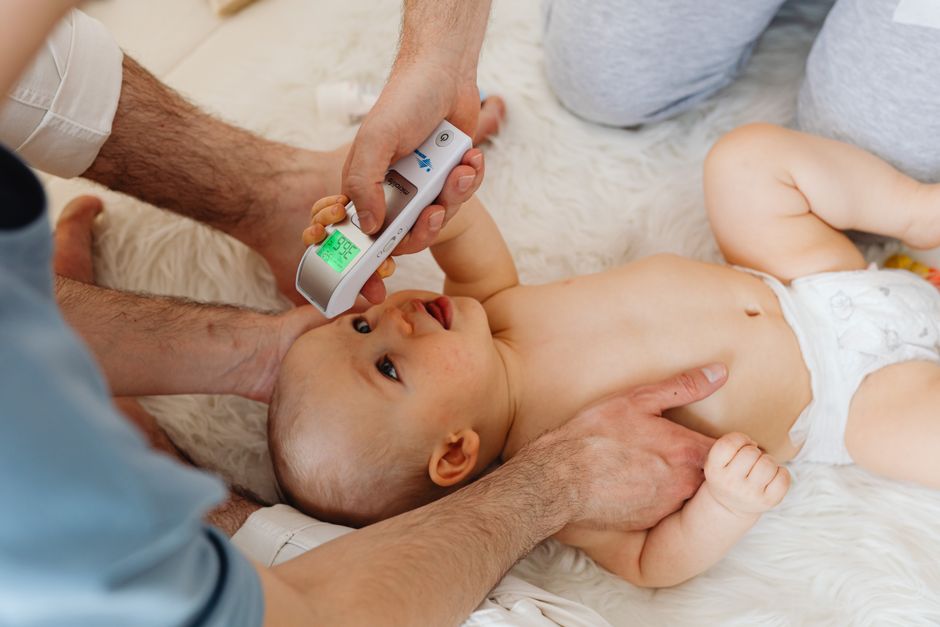
A fever is your body’s natural defense against infection. It signals that your immune system is working to fight off illness. For most adults, a fever is not dangerous and can be managed at home with rest and simple measures.
The most effective ways to bring a fever down naturally at home are to stay hydrated, rest, and use cool compresses. Over-the-counter medications like acetaminophen or ibuprofen are also effective, but natural methods can provide comfort while your body does its work. The goal is not to eliminate the fever completely, but to manage discomfort and prevent dehydration.
What Counts as a Fever in Adults?
A normal body temperature is typically around 98.6°F (37°C). Most medical professionals consider a temperature of 100.4°F (38°C) or higher to be a fever. Low-grade fevers often do not require any treatment at all.
Fevers are generally divided into categories. A low-grade fever is usually between 100.4°F and 102.2°F. A moderate fever is between 102.2°F and 104°F. High fevers above 104°F are less common and may require more attention.
Your body temperature naturally fluctuates throughout the day. It is often lower in the morning and higher in the late afternoon or evening. Exercise, heavy clothing, and hot weather can also raise your temperature temporarily.
How To Bring A Fever Down Naturally At Home
Start with the simplest and safest methods first. Hydration is the most important step. A fever causes you to lose fluids through sweating, which can lead to dehydration.
Drink water, clear broth, or electrolyte drinks throughout the day. Avoid alcohol and caffeinated beverages because they can increase dehydration. You know you are hydrated enough when your urine is light yellow or clear.
Rest is equally important. Your body needs energy to fight the infection causing the fever. Physical activity raises your core temperature and uses energy that your immune system needs. Stay in bed or on the couch and keep activity minimal.
Dress in light, breathable clothing. Heavy blankets and layers trap heat and can make a fever worse. Use a single light sheet if you feel cold. The goal is to let excess heat escape your body naturally.
Cool compresses can provide relief. Place a cool, damp washcloth on your forehead, wrists, or the back of your neck. Use room-temperature water, not ice water. Ice water causes shivering, which actually generates more heat and raises your core temperature.
A lukewarm bath can also help. The water should feel neutral to your skin, not cold. Stay in the bath for 10 to 15 minutes. Leave the bath if you start shivering. Shivering is a sign that your body is trying to raise its temperature, which defeats the purpose.
What Not to Do for a Fever
Several common practices are ineffective or even harmful. Never use rubbing alcohol on the skin to reduce a fever. Alcohol is absorbed through the skin and can cause serious toxicity, especially in children.
Do not use ice baths or cold water immersion. This causes shivering, which raises your internal temperature. It also puts unnecessary stress on your cardiovascular system.
Avoid bundling up in heavy blankets even if you feel cold. Feeling cold is a normal part of the fever process as your body resets its thermostat. Adding excessive layers prevents heat from escaping and can push the fever higher.
Do not combine multiple fever-reducing medications unless a doctor instructs you to. Acetaminophen and ibuprofen are both effective, but they should be used according to package directions. Taking them together incorrectly can cause liver or kidney damage.




When Over-the-Counter Medication Is Appropriate
Natural methods are not always enough. Over-the-counter medications are safe and effective when used correctly. Acetaminophen and ibuprofen are the two most common fever reducers for adults.
Medication is not automatically required for every fever. If you have a low-grade fever and feel comfortable, you do not need to take anything. Use medication when the fever causes significant discomfort, body aches, or difficulty sleeping.
Follow the dosing instructions on the label exactly. Do not exceed the maximum daily dose. Acetaminophen overdose is a leading cause of liver failure, so careful dosing matters.
These medications treat the symptom, not the underlying cause. A fever will often return when the medication wears off until your immune system clears the infection. This is normal and not a sign that the medication failed.
How Long Should a Fever Last?
Most fevers caused by viral infections last 2 to 3 days. They often peak in the evening and improve in the morning. As your immune system gains control, the fever will gradually break.
Fever patterns vary depending on the cause. A fever from a bacterial infection may persist until the infection is treated with antibiotics. Some viral illnesses cause fevers that come and go for several days.
See a doctor if a fever lasts more than 3 days in an adult. Also seek medical care if the fever is accompanied by severe headache, stiff neck, rash, difficulty breathing, confusion, or persistent vomiting. These symptoms can indicate a more serious condition.
Fevers in Children and Infants: Different Rules
Children are not small adults when it comes to fever management. The rules for home treatment are different and the thresholds for seeking care are lower.
For infants under 3 months old, any rectal temperature of 100.4°F (38°C) or higher is a medical emergency. Call a doctor or go to the emergency room immediately. Do not give any medication to an infant this age without medical direction.
For children 3 months to 3 years old, a fever of 102.2°F (39°C) or higher warrants a call to the pediatrician. Children in this age group can dehydrate quickly and may need evaluation.
Do not give aspirin to children or teenagers. Aspirin use in children is linked to Reye’s syndrome, a rare but serious condition that causes swelling in the liver and brain. Acetaminophen or ibuprofen are the standard choices for children, dosed by weight.
Frequently Asked Questions
Is it bad to let a fever run its course?
No, a fever is a normal immune response and letting it run its course is generally safe for healthy adults. The main risk is dehydration, so focus on fluid intake while the fever lasts.
Does sweating break a fever?
Sweating is a sign that your body is cooling down, but you should not try to force sweating with heavy blankets or exercise. Let the fever break naturally and replace lost fluids as you sweat.
Can I shower with a fever?
A lukewarm shower is safe and can help lower body temperature. Avoid hot showers which raise your core temperature and cold showers which cause shivering and trap heat.
When should I go to the ER for a fever?
Go to the ER for a fever above 103°F (39.4°C) that does not come down with medication, or any fever with confusion, stiff neck, trouble breathing, or a severe headache.
