

To heal cavities naturally, you must first understand what a cavity actually is and how far it has progressed. A cavity in its earliest stage—before it has broken through the enamel—can sometimes be reversed through a process called remineralization, using fluoride, proper oral hygiene, and diet changes. Once the cavity has physically broken through the enamel into the dentin layer, the damage is permanent, and no natural remedy can regrow that lost tooth structure. The honest step-by-step answer is this: catch the cavity early, stop the demineralization process, support remineralization with fluoride and good hygiene, and see a dentist immediately if you have any pain or visible hole.
What Is a Cavity and Can It Actually Heal?
A cavity is not a sudden hole. It is a process. Your tooth enamel is constantly losing and gaining minerals. When acids from bacteria and sugars win the battle, your enamel loses minerals faster than it can rebuild them. This is called demineralization.
When demineralization continues, the enamel weakens and a white spot may appear. This white spot is the first visible sign of a cavity forming. At this stage, the enamel is still intact on the surface. It is weakened but not broken. This is the only stage where natural healing is possible.
Once the enamel surface actually breaks, the cavity has formed. Bacteria enter the dentin layer beneath the enamel. Dentin is softer than enamel and decays faster. At this point, the tooth cannot heal itself. The structural loss is permanent.
Research published in dental journals consistently confirms that early-stage cavities, called incipient lesions, can remineralize. Fluoride is the most proven tool for this. Saliva also plays a role by delivering calcium and phosphate to the tooth surface. But once the lesion breaks through enamel, no diet, oil, or supplement will reverse it.
Step 1: Identify Whether Your Cavity Is Early or Advanced
You cannot know the stage of your cavity by looking in the mirror. Early cavities often cause no symptoms at all. You might see a chalky white spot on the tooth. You might feel nothing.
Advanced cavities cause symptoms. Sensitivity to sweet foods, hot or cold drinks, or pain when biting are common signs. A visible brown or black spot, a hole, or persistent toothache means the cavity has progressed past the point of natural healing.
If you have any pain or a visible hole, you need dental treatment. A filling, crown, or root canal may be necessary. Delaying treatment allows the decay to spread deeper into the tooth, which can lead to infection, abscess, and tooth loss. No home remedy can fix a tooth that has reached this stage.
If you only see a white spot and have no symptoms, you may be in the reversible stage. A dentist can confirm this with an examination and X-rays. Professional confirmation is important because early cavities can hide between teeth where you cannot see them.
Step 2: Stop the Demineralization Process
The cavity process needs three things: bacteria, sugar, and time. Remove any one of these and decay slows or stops. You cannot eliminate all bacteria from your mouth, but you can disrupt their ability to produce acid.
Reduce sugar intake. Every time you eat sugar, bacteria in your mouth produce acid for about 20 to 40 minutes afterward. Frequent snacking or sipping sugary drinks keeps your mouth in a constant acid state. This is one of the most important changes you can make.
Eat fewer sticky foods. Dried fruit, chewy candy, and crackers cling to teeth and give bacteria a longer feeding window. If you eat them, rinse your mouth with water afterward or brush when possible.
Avoid constant sipping of anything other than plain water. Coffee with sugar, soda, sports drinks, and juice all feed bacteria. Even “healthy” drinks like smoothies and honey-sweetened tea are high in sugar and can drive decay.




Step 3: Support Remineralization with Fluoride
Fluoride is the single most proven natural mineral for reversing early cavities. It works in two ways. It makes enamel more resistant to acid, and it attracts calcium and phosphate to rebuild weakened enamel.
Use a fluoride toothpaste with at least 1,000 parts per million fluoride. Most standard toothpastes in the United States contain this amount. Brush twice daily for two full minutes. Spit out the excess toothpaste but do not rinse with water afterward. Rinsing washes away the fluoride before it can do its work.
Fluoride mouthwash can help, but timing matters. Use it at a different time than brushing, such as after lunch. If you use it immediately after brushing, you wash away the concentrated fluoride from your toothpaste.
Your dentist may recommend a prescription-strength fluoride toothpaste or a professional fluoride varnish for early cavities. These contain much higher fluoride levels than over-the-counter products and are applied or used for a limited time under professional guidance.
Step 4: Improve Your Saliva Quality and Flow
Saliva is your mouth’s natural defense system. It washes away food particles, neutralizes acid, and delivers calcium and phosphate to your teeth. Dry mouth significantly increases cavity risk.
Chew sugar-free gum after meals. The chewing action stimulates saliva flow. Look for gum sweetened with xylitol, which some research suggests may also reduce cavity-causing bacteria. Chewing for about 20 minutes after eating is a reasonable habit.
Stay hydrated with plain water throughout the day. Sip water frequently, especially if you have dry mouth from medications, aging, or mouth breathing at night.
If you have chronic dry mouth, talk to your doctor or dentist. Certain medications, including antihistamines, antidepressants, and blood pressure drugs, reduce saliva production. Managing dry mouth may be essential to stopping cavity progression.
Does Diet Alone Heal Cavities?
No. Diet alone cannot heal a cavity, but diet plays a major role in preventing and stopping early decay. The key is not just eating “healthy” foods but limiting the frequency of acid attacks on your teeth.
Some foods genuinely help. Cheese, milk, and plain yogurt contain calcium and phosphate and stimulate saliva. Crunchy vegetables like carrots and celery require chewing, which produces saliva and helps clean tooth surfaces. Green tea contains fluoride naturally, though the amount varies.
Avoid the common myth that cutting out all sugar will heal existing cavities. Sugar reduction stops new damage and supports remineralization, but it does not restore enamel that has already broken. If you have a physical hole, dietary changes alone will not close it.
Another myth is that oil pulling—swishing coconut or sesame oil in your mouth—cures cavities. Some studies suggest oil pulling may reduce plaque and bacteria, but no clinical evidence confirms it can remineralize or heal cavities. It is not a substitute for brushing, flossing, or fluoride.
Step 5: Optimize Your Brushing and Flossing Technique
Good technique matters more than brushing harder or more often. Brushing twice a day with proper form removes the bacterial plaque that drives decay.
Use a soft-bristled toothbrush. Hard bristles can wear away enamel and irritate gums. Hold the brush at a 45-degree angle to your gumline and use gentle circular motions. Brush every surface of every tooth—outer, inner, and chewing surfaces. Do not scrub aggressively.
Floss daily. A cavity cannot heal if bacteria remain trapped between teeth. Flossing removes plaque from the surfaces your toothbrush cannot reach. If flossing causes bleeding, that is a sign of gum inflammation, and you should continue gently—bleeding usually decreases as your gums become healthier.
Replace your toothbrush every three to four months, or sooner if the bristles are frayed. A worn brush cleans poorly and can harbor bacteria.
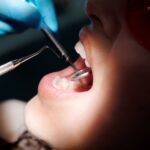
Step 6: See a Dentist Without Delay
This is the most important step. Only a dentist can determine the true stage of your cavity and tell you whether remineralization is still possible. Waiting to see a dentist while trying home remedies can turn a small, treatable cavity into a root canal or tooth loss.
If your dentist confirms the cavity is early, they may recommend monitoring, fluoride treatment, or a filling depending on the extent of the lesion. If the cavity has broken through enamel, a filling is the standard treatment. Dental amalgam, composite resin, or other materials are used to restore the tooth.
Regular dental checkups every six months allow your dentist to catch cavities at the earliest, most reversible stage. Many people do not feel pain until a cavity is deep. By the time it hurts, natural healing is no longer an option.
Frequently Asked Questions
Can a cavity heal without going to the dentist?
Only a cavity in the very earliest stage—before the enamel breaks—might heal with fluoride, good hygiene, and diet changes. Once you have pain or a visible hole, a dentist must treat it.
How long does it take to remineralize an early cavity?
Remineralization of an early lesion typically takes weeks to months of consistent fluoride use and good oral hygiene. The process is gradual, and a dentist must monitor whether it is working.
Does oil pulling heal cavities?
No clinical evidence confirms oil pulling can heal cavities. It may reduce plaque and bacteria, but it does not restore enamel that has already broken.
What happens if I ignore a cavity?
Ignoring a cavity allows decay to spread deeper into the tooth, leading to pain, infection, and potentially tooth loss. Early treatment is always simpler and less expensive than treating advanced decay.
