
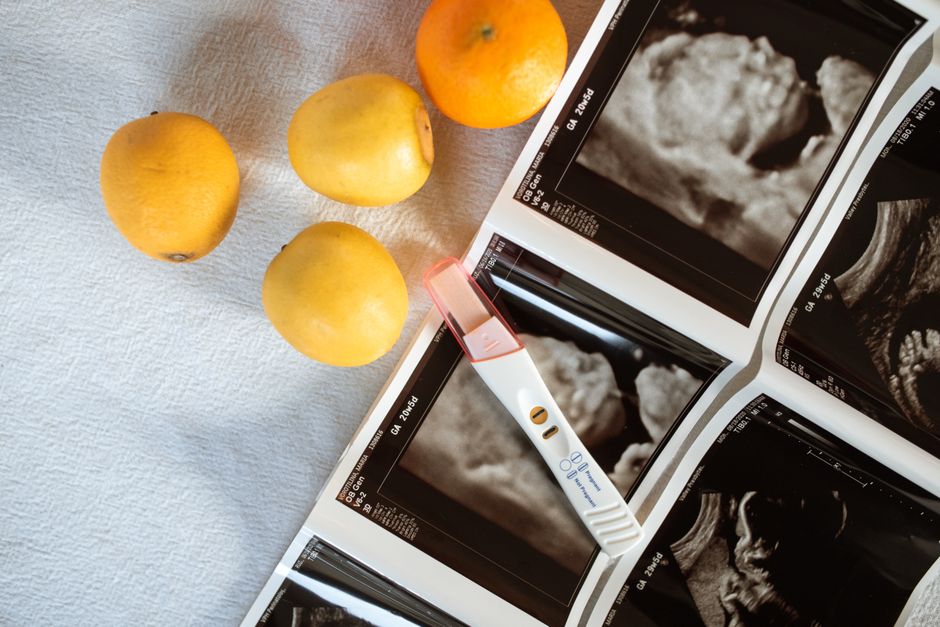
Fertility is not a single switch that flips on. It is a system involving hormones, egg quality, sperm health, and timing. For most couples, natural fertility improvements come from addressing the factors that are within your control: diet, weight, sleep, stress, and habits like smoking and alcohol. While some causes of infertility require medical treatment, many couples can improve their chances of conception by making targeted, evidence-based changes to their daily routines.
What Does “Natural Fertility” Actually Mean?
Natural fertility refers to your body’s baseline ability to conceive without medical assistance like IVF or fertility drugs. For men, this means producing enough healthy, motile sperm. For women, it means regular ovulation and a uterine environment that supports implantation.
Age is the single biggest factor. Female fertility peaks in the mid-20s and begins a noticeable decline after age 35. Male fertility also declines with age, though more gradually. You cannot change your age, but you can improve the quality of the eggs and sperm you are producing right now.
How To Increase Fertility Naturally For Men And Women: The Core Principles
The evidence points to the same core principles for both partners: maintain a healthy body weight, eat a nutrient-dense diet, limit toxins, and manage stress. These are not vague lifestyle tips. They directly affect hormone levels, ovulation, and sperm production.
Weight matters more than most people realize. Body fat produces estrogen. In women, too much or too little body fat disrupts the menstrual cycle and ovulation. In men, excess body fat lowers testosterone and can reduce sperm count. Research consistently shows that even a 5-10% reduction in body weight can restore ovulation in overweight women.
For men, the sperm cycle takes about 74 days. That means lifestyle changes made today will not show up in sperm quality for roughly two and a half months. Plan accordingly.
Which Foods And Nutrients Are Linked To Better Fertility?
No single food boosts fertility. But the overall pattern of your diet matters. Diets rich in vegetables, fruits, whole grains, healthy fats, and lean protein are consistently associated with better fertility outcomes in both men and women.
Specific nutrients have stronger evidence behind them:
- Folate — Women who get enough folate have lower risks of ovulation problems. Food sources include leafy greens, beans, and citrus fruits. The recommendation for women trying to conceive is 400-800 mcg daily from supplements or fortified foods.
- Omega-3 fatty acids — Found in fatty fish like salmon and sardines. Some studies link higher intake to better embryo quality and sperm membrane integrity.
- Antioxidants — Vitamins C and E, selenium, and zinc protect sperm and eggs from oxidative damage. One review of studies found that men taking antioxidant supplements had higher pregnancy rates, though the quality of the evidence varies.
- Iron — Plant-based iron from beans, lentils, and spinach is associated with a lower risk of ovulatory infertility in some large observational studies.
What to limit: trans fats, highly processed foods, and excess sugar. One well-known study from the Nurses’ Health Study found that women who followed a “fertility diet” pattern — higher in monounsaturated fats, plant protein, and low-glycemic carbohydrates — had lower rates of ovulatory infertility.



Do Supplements Actually Help?
Supplements are not a substitute for a healthy diet, but some have solid evidence behind them.
For women: Prenatal vitamins with folic acid are standard. Vitamin D deficiency is common and linked to poorer fertility outcomes in some studies, so testing your level is reasonable. Coenzyme Q10 (CoQ10) is often recommended by fertility specialists because it supports mitochondrial function in eggs, but large human trials have not yet confirmed its benefit.
For men: Zinc and selenium have the strongest evidence for supporting sperm production. One study found that men with low sperm count who took zinc and folic acid for 26 weeks had a 74% increase in total sperm count. Vitamin C has also been shown to improve sperm quality in men who smoke.
Be careful with supplements. High doses of certain vitamins can be harmful. For example, excess vitamin A can cause birth defects, so avoid high-dose vitamin A supplements when trying to conceive. Stick to standard prenatal vitamins unless a doctor recommends otherwise.
How Much Do Alcohol, Smoking, And Caffeine Matter?
Smoking is the clearest culprit. Women who smoke reach menopause earlier and have lower ovarian reserves. Men who smoke have lower sperm counts, poorer sperm motility, and more DNA damage in sperm. The evidence is strong enough that eliminating smoking is one of the most impactful changes a couple can make.
Alcohol has a dose-dependent effect. Heavy drinking disrupts ovulation and lowers testosterone. The evidence on light drinking is mixed. Some studies show no effect on fertility at one drink per week, while others show reduced conception rates even at moderate levels. The safest approach for a couple actively trying to conceive is to minimize alcohol or avoid it entirely.
Caffeine is less clear. Moderate intake — under 300 mg per day, about two cups of coffee — has not been consistently linked to reduced fertility. Some studies suggest high intake (over 500 mg daily) may be associated with longer time to pregnancy. If you are a heavy coffee drinker, cutting back to one or two cups is a reasonable step.
Does Stress Really Affect Conception?
Stress alone does not cause infertility. But stress hormones like cortisol can interfere with the hormones that control ovulation and sperm production. One study found that women with high levels of alpha-amylase, a stress marker, took twice as long to conceive as women with lower levels.
The practical takeaway: reduce stress because it helps your overall health, but do not blame yourself for being stressed. Infertility itself is stressful, and the guilt loop helps no one. What works for stress reduction varies by person — exercise, meditation, therapy, or simply taking a break from tracking every cycle detail.
When Should You Have Sex To Conceive?
Timing matters. A woman’s fertile window is about six days long: the five days before ovulation and the day of ovulation itself. Sperm can survive in the reproductive tract for up to five days, but an egg only lives for 12-24 hours after release.
The most reliable approach is regular sex every 2-3 days throughout the cycle. This ensures sperm are present when ovulation occurs without the pressure of daily tracking. If you want to be more precise, ovulation predictor kits detect the surge in luteinizing hormone (LH) that occurs 24-36 hours before ovulation.
One common myth: holding sperm for several days to build up volume. This does not help. In fact, studies show that ejaculating every 1-3 days maintains better sperm quality than prolonged abstinence.
What Role Does Exercise Play?
Moderate exercise improves fertility. Women who exercise regularly have lower rates of ovulatory infertility than sedentary women. Men who are physically active have better sperm parameters than inactive men.
But extremes are harmful. Women who exercise intensely for more than 5 hours per week may have higher rates of anovulation. Men who cycle long distances for many hours weekly can experience reduced sperm quality due to heat and pressure in the groin area. The sweet spot is moderate activity: brisk walking, swimming, or light strength training most days of the week.
Lubricants And Fertility: What To Avoid
Many commercial lubricants impair sperm motility. This is well documented. If you need lubrication, options like mineral oil, canola oil, or fertility-friendly lubricants (labeled as sperm-safe) are better choices. Saliva can also interfere with sperm movement, so it is best avoided.
When Should You See A Doctor?
Natural approaches have limits. If you are under 35 and have been trying for 12 months without conception, see a fertility specialist. If you are over 35, the guideline is 6 months. Women over 40 should consider seeking help sooner — some guidelines recommend evaluation after 3 months of trying.
Also seek help if you have irregular or absent periods, known uterine or ovarian conditions, a history of pelvic infections, or if the male partner has a history of testicular issues, hernia repair, or prior fertility problems. Natural lifestyle changes support fertility, but they cannot fix blocked fallopian tubes, severe sperm defects, or advanced age-related decline.
Frequently Asked Questions
How long does it take for lifestyle changes to improve fertility?
For women, improvements can appear within one to three menstrual cycles. For men, sperm quality takes about 74 days to reflect lifestyle changes, so expect a three-month timeline.
Can losing weight really help me get pregnant faster?
Yes. A 5-10% reduction in body weight can restore ovulation in many overweight women and improve sperm parameters in men.
Is it safe to take fertility supplements without a doctor’s advice?
Most standard prenatal vitamins are safe, but high doses of fat-soluble vitamins like A and E can be harmful. It is safest to discuss any supplement plan with a healthcare provider, especially if you have medical conditions.
Does having sex every day reduce sperm count?
No. Daily ejaculation may slightly lower sperm count per ejaculation, but total sperm output over time is similar. Having sex every 2-3 days is the optimal balance for most couples.
