
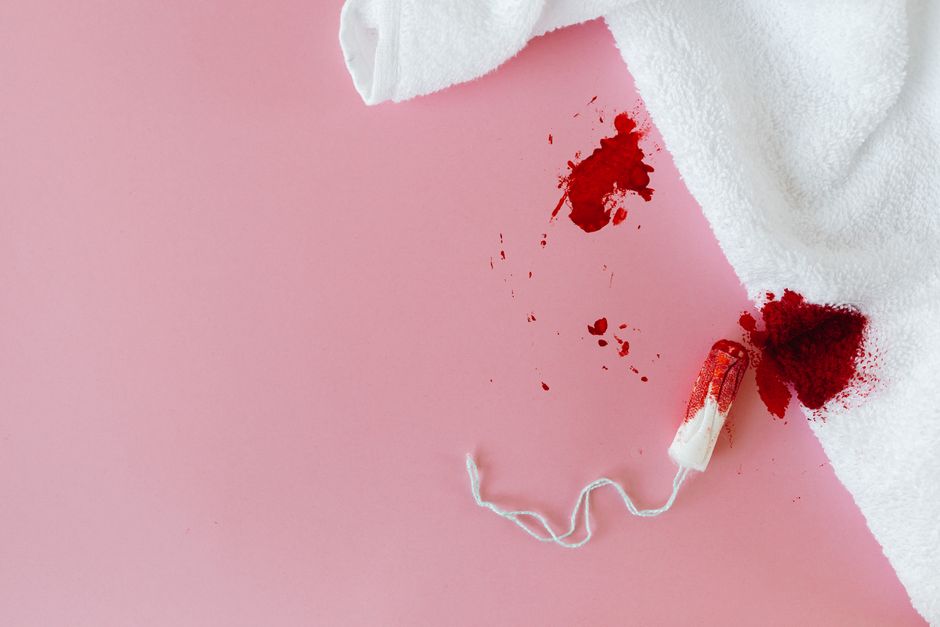
Heavy period bleeding, medically called menorrhagia, is not something you have to simply endure each month. You can take practical steps to reduce the flow, but the first step is understanding why your bleeding is heavy in the first place. Natural approaches—including dietary changes, specific supplements, and lifestyle adjustments—can genuinely help many women, though they are not a replacement for medical care when bleeding is severe.
What Counts as Heavy Period Bleeding?
Doctors define heavy menstrual bleeding by how it affects your life, not just by a number. Bleeding that lasts longer than seven days, or soaking through a pad or tampon every hour for several consecutive hours, is considered heavy.
Passing clots larger than a quarter, needing to change protection during the night, or feeling too tired to do normal activities because of blood loss are also signs. If you are experiencing these symptoms, it is worth discussing with a healthcare provider before relying on natural remedies alone.
Heavy bleeding affects roughly one in five women at some point. It is common, but that does not mean it is normal or harmless. Chronic heavy bleeding can lead to iron deficiency anemia, which causes fatigue, shortness of breath, and dizziness.
What Causes Heavy Menstrual Bleeding?
The most common cause is a hormonal imbalance, specifically when estrogen levels are high relative to progesterone. This imbalance causes the uterine lining to build up thicker than usual, and when it sheds, the bleeding is heavier.
Uterine fibroids—noncancerous growths in the uterine wall—are another frequent cause. Polyps, which are small growths on the uterine lining, can also increase bleeding. Less commonly, bleeding disorders like von Willebrand disease or thyroid problems contribute to heavy periods.
Sometimes no cause is found. In those cases, the focus shifts to managing symptoms and reducing blood loss through whatever methods work for you.
How To Stop Heavy Period Bleeding Naturally: What Actually Works
Several natural approaches have solid evidence behind them. Others are widely used but lack strong clinical proof. Knowing the difference matters.
Anti-inflammatory foods can reduce the production of prostaglandins, hormone-like substances that increase uterine contractions and bleeding. A diet rich in omega-3 fatty acids—found in salmon, sardines, walnuts, and flaxseed—has been shown in some studies to reduce menstrual pain and heavy flow.
Iron-rich foods do not stop bleeding, but they protect your body from the consequences of it. If you lose a lot of blood each month, your iron stores drop. Eating spinach, red meat, lentils, and fortified cereals helps maintain healthy levels. Pairing iron-rich foods with vitamin C, like citrus or bell peppers, improves absorption.
Vitamin C also strengthens capillaries, the small blood vessels that break down during menstruation. Some research suggests higher vitamin C intake is linked to lighter periods, though the evidence is not conclusive.
Ginger has been studied for its effect on menstrual bleeding. A small clinical trial found that taking ginger powder reduced blood loss during menstruation compared to a placebo. The effect appears related to its anti-inflammatory properties, but larger studies are needed to confirm the results.





Supplements That May Reduce Heavy Bleeding
Some supplements have more evidence behind them than others. Be cautious with any supplement, because natural does not mean without side effects.
Ibuprofen and other NSAIDs are not supplements, but they deserve mention because they are the most evidence-backed non-hormonal option for reducing heavy bleeding. Taken at the start of your period, they reduce prostaglandin production and can cut blood loss by 20 to 40 percent. This is a medication, not a natural remedy, but it is worth knowing about.
Vitamin A deficiency has been linked to heavy menstrual bleeding in some studies. One small trial showed that vitamin A supplementation reduced menstrual blood loss in women who were deficient. However, vitamin A can be toxic in high doses, so this should only be taken under medical supervision.
Chasteberry, or Vitex, is an herbal remedy used for various menstrual issues. Some evidence suggests it may help balance hormones, but the research specifically on heavy bleeding is limited. It can take several months to show any effect, and it can interact with hormonal medications.
Green tea extract has shown promise in preliminary research for reducing menstrual bleeding, possibly by affecting estrogen metabolism. The evidence is early, and more studies are needed before it can be recommended with confidence.
Lifestyle Changes That Can Help
Body weight plays a role in menstrual bleeding. Fat tissue produces estrogen, so women who are significantly overweight often have higher estrogen levels and heavier periods. Losing weight, even modestly, can reduce bleeding for some women.
Exercise helps in multiple ways. Regular physical activity lowers estrogen levels and improves blood circulation. One small study found that women who exercised regularly had lighter periods than sedentary women. The effect is modest but real.
Stress reduction matters more than most people realize. Stress hormones can disrupt the balance of estrogen and progesterone, potentially worsening heavy bleeding. Practices like yoga, meditation, and adequate sleep are not just relaxation tools—they are hormonal regulators.
Heat therapy, like a heating pad on the lower abdomen, does not reduce bleeding. It helps with pain and cramping, which can be intense with heavy periods. It is worth using for comfort, but expect pain relief, not lighter flow.
When Natural Remedies Are Not Enough
Natural approaches can help, but they have limits. If you are soaking through a pad or tampon every hour, feeling lightheaded, or experiencing bleeding that lasts more than a week, you need medical evaluation. These symptoms can indicate significant blood loss that no dietary change will fix.
Your doctor may recommend hormonal birth control, tranexamic acid, or a hormonal intrauterine device to reduce bleeding. In severe cases, surgical options exist. None of these should be feared—they are effective, well-studied treatments that can dramatically improve quality of life.
The honest truth is that natural remedies work best for mild to moderate heavy bleeding. For severe bleeding, they are a complement to medical care, not a substitute.
What the Evidence Does Not Support
Some natural remedies are popular but lack evidence. Apple cider vinegar, for example, is often suggested for heavy periods, but no clinical study supports this use. It can even irritate the stomach and esophagus if taken undiluted.
Turmeric is anti-inflammatory, which sounds promising, but it can thin the blood and may actually increase menstrual bleeding in some women. If you take blood thinners, avoid high-dose turmeric supplements.
Be wary of any product claiming to “rebalance hormones” or “detoxify” the uterus. These are marketing phrases without medical meaning. The uterus does not need detoxification, and no supplement has been proven to rebalance hormones on its own.
How To Track Your Progress
If you decide to try natural approaches, track your bleeding objectively. Note how many pads or tampons you use each day and whether you need to change them more than every two hours. Track the number of days of bleeding and the size of any clots.
Give any approach at least three menstrual cycles before judging whether it works. Menstrual cycles vary naturally, and one lighter month may be coincidence. Three months of consistent data gives you a clearer picture.
If your bleeding does not improve after three months, or if it worsens, seek medical advice. Prolonged heavy bleeding can cause anemia, and treating that is as important as managing the bleeding itself.
Frequently Asked Questions
Can drinking more water reduce heavy period bleeding?
Staying hydrated helps your body manage blood volume and reduces fatigue, but it will not directly reduce the amount of menstrual bleeding.
How quickly do natural remedies for heavy bleeding work?
Most natural approaches take at least two to three menstrual cycles to show noticeable effects, and results vary widely between individuals.
Is it safe to take iron supplements for heavy periods without a doctor?
Iron supplements can cause constipation and other side effects, and taking too much iron is harmful, so it is safer to have your iron levels tested before supplementing.
