
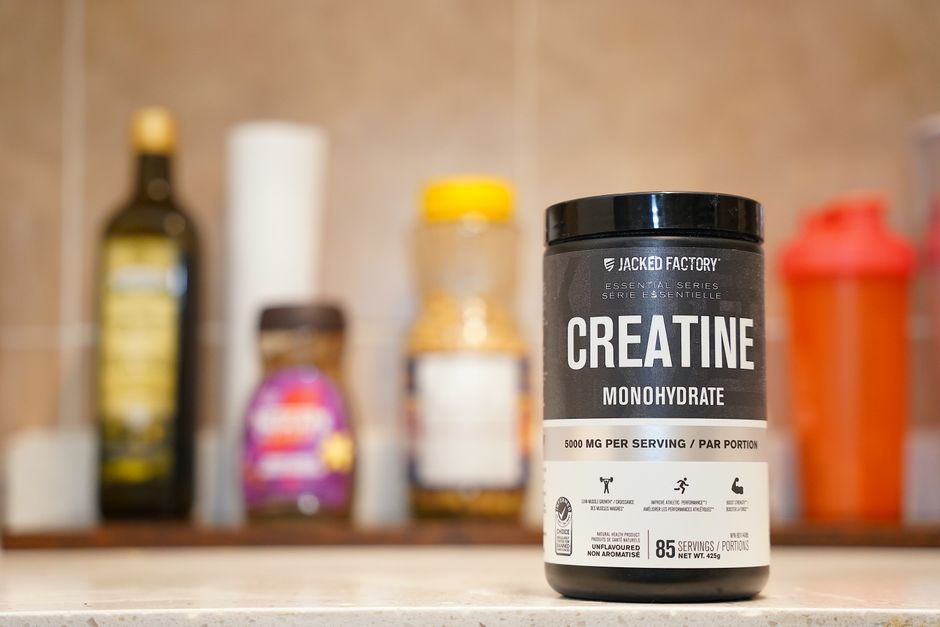
Your body makes creatine on its own, and you also get it from food. Most people do not need supplements to keep their creatine stores healthy. The most direct way to get creatine naturally is to eat animal proteins, especially red meat and fish.
A typical diet provides about 1 to 2 grams of creatine per day from food. Your body also produces roughly 1 gram daily from amino acids in the liver, kidneys, and pancreas. For most healthy adults, this combination is enough to maintain normal muscle function and energy production.
What Foods Contain the Most Creatine?
Creatine is found almost exclusively in animal tissues. Plant foods contain no meaningful amounts of creatine. If you eat a mixed diet, you are already getting creatine without thinking about it.
The richest sources are:
- Beef — about 2 grams per pound of raw meat
- Pork — similar levels to beef
- Salmon — about 2 grams per pound
- Tuna — about 2 grams per pound
- Cod — slightly lower, around 1.5 grams per pound
- Chicken — lower than red meat, but still a source
These numbers come from standard food composition data. The exact amount varies by cut, animal diet, and cooking method. Cooking does not destroy creatine to a significant degree, though some leaches into cooking liquid.
Herring is one of the highest natural sources, providing roughly 3 to 4 grams per pound. If you regularly eat fish or red meat, you are likely getting close to the amount found in a low-dose supplement.
How Much Creatine Does Your Body Actually Need?
Your total body creatine store is about 120 grams for a 150-pound person. Most of it sits in skeletal muscle. You lose about 1 to 2 percent of that store each day through natural breakdown, which equals roughly 1 to 2 grams daily.
That loss is replaced by two mechanisms. Your body synthesizes creatine from the amino acids arginine, glycine, and methionine. And you ingest creatine from food. For most people, these two sources cover the daily loss without any supplement.
Muscle creatine levels vary between individuals. People who eat little or no animal protein tend to have lower muscle creatine stores. Vegetarians and vegans typically have lower baseline levels than omnivores. Some research suggests this difference is meaningful for high-intensity exercise performance.
But lower baseline does not mean deficiency in a clinical sense. There is no established medical condition called “creatine deficiency” linked to diet alone. The body’s own synthesis covers basic needs even without dietary creatine.
Can You Increase Muscle Creatine Through Diet Alone?
Yes, but there are limits. Eating more creatine-rich food raises muscle creatine levels, but the effect plateaus. Your muscles have a saturation point, and once reached, extra creatine is simply excreted in urine.
Research consistently shows that a diet high in meat and fish can raise muscle creatine stores by 10 to 20 percent compared to a vegetarian diet. That increase is meaningful but smaller than what supplements typically achieve.
Supplement studies commonly show a 20 to 40 percent increase in muscle creatine concentration. The difference comes down to dose. A standard supplement protocol delivers 20 grams per day for a week, which is far more than anyone would eat in food.
To match that through diet, you would need to eat several pounds of beef or fish daily. That is impractical and would come with excess calories, saturated fat, and cost. For most people, food alone cannot replicate the loading phase of supplementation.





Does Cooking Affect Creatine Content?
Heat does not destroy creatine entirely, but cooking methods matter. Creatine is water-soluble. When meat is boiled or stewed, some creatine moves into the cooking liquid.
Grilling, roasting, and pan-searing retain more creatine because the meat stays intact and less water is lost. The difference is modest in practice.
One non-obvious point: the creatine that leaches into cooking liquid is not wasted if you consume the liquid. Soups, stews, and broths made from meat retain that creatine. This is one reason bone broth and meat-based stocks contain measurable creatine, though amounts vary widely depending on the meat and cooking time.
What About Creatine for Vegetarians and Vegans?
If you avoid animal products, you cannot get creatine from food. Your body still makes it, but your baseline muscle creatine will be lower than someone who eats meat.
Some studies suggest vegetarians respond more strongly to creatine supplementation because they start from a lower baseline. This is one of the few areas where a supplement genuinely offers an advantage over diet, because no plant food provides creatine.
Your body’s internal production uses three amino acids: glycine, arginine, and methionine. These are all present in plant proteins, but the conversion rate is limited. Your body only makes about 1 gram per day regardless of how much of those amino acids you consume.
For vegetarians who do not want supplements, the honest answer is that food alone cannot raise creatine stores above baseline. Your body maintains its own production, but you will not reach the muscle creatine levels of a meat-eater without supplementation.
Is Food-Based Creatine Better Than Supplements?
There is no evidence that creatine from food is absorbed better or works differently than creatine from supplements. Both forms enter the bloodstream and are taken up by muscle tissue through the same transporter.
Whole foods offer additional nutrients that supplements do not. Red meat provides iron, zinc, and B vitamins. Fish provides omega-3 fatty acids. These have their own health benefits independent of creatine.
Supplements, on the other hand, deliver creatine without extra calories or other nutrients. This can be useful for athletes who want precise control over their intake.
Neither approach is inherently superior. The choice depends on your diet, goals, and preferences. If you already eat a balanced diet with animal protein, you are likely getting adequate creatine. If you want higher muscle creatine levels for athletic performance, supplements are a more efficient route than food.
Who Might Actually Need a Creatine Supplement?
Most healthy adults do not need one. The people who benefit most are those doing high-intensity intermittent exercise — sprinting, weightlifting, team sports. Creatine helps regenerate ATP quickly, which supports short bursts of maximal effort.
Older adults may also benefit. Some research shows creatine supplementation combined with resistance training helps preserve muscle mass and strength in aging populations. This is an area of active study, and results are promising but not conclusive enough to make a blanket recommendation.
Vegetarians and vegans who train intensely are another group where supplementation is reasonable. Their lower baseline creatine means they have more room to respond.
People with certain rare genetic conditions that impair creatine synthesis may need medical creatine supplementation. This is a clinical situation managed by a doctor, not a self-directed decision.
If you do not fall into these categories, food-based creatine is sufficient. The supplement industry has created the impression that everyone needs creatine. The evidence does not support that.
How To Get Creatine Naturally Without Supplements — Practical Steps
If your goal is to maximize creatine intake from food, the strategy is straightforward. Eat animal protein regularly, prioritizing red meat and fish.
- Include beef or pork in your diet 2 to 3 times per week
- Eat fish like salmon, tuna, or herring regularly
- Use meat-based broths and stews to retain creatine that leaches into liquid
- Be aware that chicken and eggs contain creatine, but at lower levels than red meat
There is no need to eat excessive amounts. A standard serving of beef or fish provides roughly 0.5 to 1 gram of creatine. Two servings per day from animal sources puts you in the range of dietary intake that supports normal muscle creatine stores.
No clinical guidelines specify a required daily creatine intake from food. This is because deficiency from diet alone has not been established in healthy people eating adequate protein. The body’s own synthesis covers baseline needs.
Frequently Asked Questions
Can you get enough creatine from food alone?
Yes, for most healthy adults, food alone provides enough creatine to maintain normal muscle stores. Eating meat or fish regularly supplies the 1 to 2 grams per day your body needs to replace normal losses.
What food has the highest creatine?
Herring has the highest measured creatine content among common foods, around 3 to 4 grams per pound. Beef, pork, salmon, and tuna follow closely at roughly 2 grams per pound.
Do vegetarians get creatine naturally?
No plant foods contain creatine, so vegetarians rely entirely on their body’s internal production. This results in lower baseline muscle creatine levels compared to meat-eaters, which is why some vegetarian athletes choose to supplement.
Is food creatine as effective as supplement creatine?
Creatine from food and supplements are absorbed the same way and work identically in the body. The difference is dose — supplements deliver more creatine per serving than food, which is why they raise muscle stores higher and faster.
