
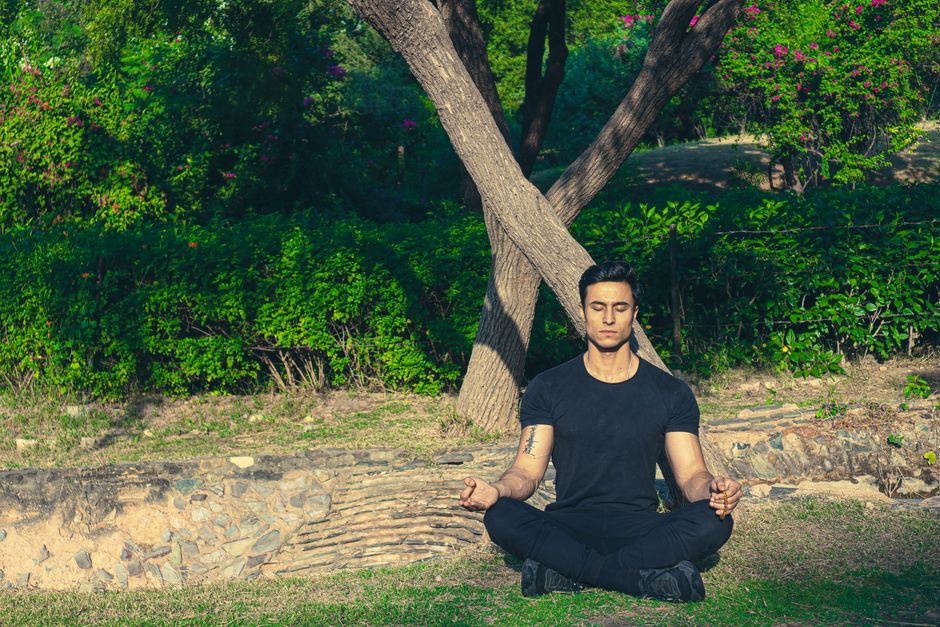
Kundalini awakening is a concept from ancient Indian spiritual traditions that describes a surge of energy said to rest at the base of the spine. Many people seek this experience for spiritual growth, but the process can be intense. Approaching it with respect, preparation, and safety awareness is essential. The safest way to begin is with consistent meditation, breath awareness, and grounding practices, not by forcing energy movement through dramatic techniques.
What Is Kundalini Energy?
Kundalini is described in yogic philosophy as a dormant spiritual energy located at the base of the spine. The word itself means “coiled” in Sanskrit, referring to a serpent that rests coiled at the first chakra. Practitioners believe that when this energy rises through the spine, it activates higher states of consciousness.
Modern descriptions vary widely. Some people frame it as a purely psychological experience. Others view it as a measurable physiological event involving the nervous system. The scientific evidence for kundalini as a physical energy is limited. What is well-documented is that people report profound experiences during deep meditation and breathwork, and these experiences can have lasting effects on mental and physical health.
No large clinical trials have confirmed kundalini awakening as a medical phenomenon. That does not mean the experience is not real to the person having it. It means the mechanism is not fully understood and should be approached with humility.
What Does a Kundalini Awakening Feel Like?
Reports of kundalini awakening vary significantly between individuals. Some describe a sudden rush of warmth moving up the spine. Others report involuntary body movements, intense emotional releases, or vivid visions. These experiences can last minutes, hours, or in rare cases, persist for weeks.
Commonly reported sensations include tingling, heat, pressure at the base of the spine, and spontaneous muscle twitching. Emotionally, people often describe waves of joy, fear, grief, or ecstasy. Some report a sense of unity with everything around them. Others experience what they describe as spiritual emergency, a period of confusion or distress that follows the experience.
It is important to distinguish between a genuine kundalini experience and symptoms of a medical condition. Neurological events, such as seizures or migraines, can produce similar physical sensations. If you experience involuntary movements, severe headaches, or persistent distress, seek medical evaluation first. Rule out physical causes before attributing symptoms to a spiritual process.
How To Awaken Your Kundalini Safely And Effectively
There is no universally agreed-upon method for awakening kundalini. Traditional schools teach that it happens naturally through years of dedicated practice, not through force. The most respected teachers warn against attempting to force the energy upward through visualizations or intense breathing without proper preparation.
Preparation is the foundation of safe practice. Establish a consistent meditation routine before attempting any energy work. This means meditating daily for at least several months. Your nervous system needs to be stable enough to handle intense experiences. If you have a history of anxiety, panic attacks, or psychosis, proceed with extreme caution and consider working with a qualified teacher or therapist.
Grounding practices are equally important. These include physical exercise, spending time in nature, eating regular meals, and maintaining normal sleep patterns. A person who is grounded can integrate intense experiences more smoothly. A person who is not grounded may become overwhelmed or destabilized.
Breathwork is a common entry point. Practices like alternate nostril breathing or slow diaphragmatic breathing calm the nervous system. Some traditions use rapid breathing techniques, but these carry higher risk. Hyperventilation can cause dizziness, tingling, and altered states that mimic spiritual experiences but are actually physiological. These states are not the same as kundalini awakening and can be frightening or dangerous for some people.





What Are the Risks of Kundalini Awakening?
Kundalini awakening is not without risks. The term “kundalini syndrome” appears in psychiatric literature to describe cases where people experience prolonged distress after a spiritual experience. Symptoms can include insomnia, mood swings, depersonalization, and difficulty functioning in daily life.
Research on this topic is sparse. Some case reports exist in psychiatric journals, but no large studies have established how common these complications are. What is clear is that people with pre-existing mental health conditions may be more vulnerable. If you have bipolar disorder, schizophrenia, or a history of dissociation, intense meditation practices may trigger episodes. This is not a reason to avoid meditation entirely, but it is a reason to work with a clinician who understands both spiritual practice and psychiatric conditions.
Physical risks are less documented but still worth noting. Some people report chronic fatigue, headaches, or muscle tension following an awakening. These may have physiological explanations unrelated to kundalini, such as poor posture during long meditation sessions or dehydration. Treat these as medical issues first.
How Long Does Kundalini Awakening Take?
There is no reliable timeline for kundalini awakening. Some traditions claim it takes years of disciplined practice. Others describe sudden awakenings triggered by a single intense experience, such as a near-death event or a profound meditation session. Neither timeline is guaranteed.
What the evidence does suggest is that gradual, consistent practice produces more stable results than dramatic, forced experiences. The nervous system adapts slowly. Pushing it too fast can lead to destabilization. This is similar to physical training. You would not attempt a marathon without months of preparation. Treat kundalini practice the same way.
Set no expectations. People who chase a specific experience often become frustrated or try harder, which increases risk. People who practice without attachment to outcomes tend to have more integrated experiences. This advice comes from traditional teaching, not clinical research, but it aligns with what is known about stress and the nervous system.
When Should You Seek Professional Help?
Seek medical help if you experience symptoms that interfere with daily functioning. This includes inability to sleep, work, or care for yourself. Persistent physical symptoms like headaches, tremors, or unexplained pain also warrant medical evaluation. These could indicate a neurological condition that has nothing to do with spiritual practice.
Seek psychological support if you feel overwhelmed, confused, or frightened by your experiences. A therapist who respects spiritual experiences while providing practical support can be invaluable. Look for clinicians who specialize in spiritual or religious issues in mental health. Many professional organizations now recognize the concept of spiritual emergency and train clinicians to address it.
Some traditions recommend working with a guru or teacher who has completed the journey themselves. This can be helpful, but verify the teacher’s credibility. The spiritual community has no licensing body, and unqualified teachers can cause harm. Trust your judgment and be willing to leave any situation that feels unsafe or coercive.
Frequently Asked Questions
Is kundalini awakening dangerous?
It can be intense and occasionally destabilizing, especially for people with mental health conditions. Most people who prepare gradually and stay grounded do not experience lasting harm.
Can kundalini awakening happen without trying?
Yes, spontaneous awakenings are reported during deep meditation, intense stress, or even without any obvious trigger. If this happens to you, ground yourself in normal routines and seek support if symptoms persist.
What is the safest breathing technique for kundalini practice?
Slow, steady diaphragmatic breathing is the safest option. Rapid breathing techniques carry higher risk of hyperventilation and should only be practiced under expert supervision, if at all.
How do I know if I am actually experiencing kundalini and not a medical problem?
See a doctor first if you have physical symptoms like tremors, severe headaches, or involuntary movements. Once medical causes are ruled out, you can explore spiritual interpretations with more confidence.
