
Using a comedone extractor safely at home requires sterile tools, clean skin, and gentle pressure. First steam your face for 5-10 minutes to open pores. Then press the extractor’s loop firmly around the blackhead and drag it across the skin — do not dig or push down hard. Stop immediately if you see blood or clear fluid. Never use an extractor on inflamed acne, cysts, or deep pimples. When done correctly, this tool removes blockages without scarring. When done wrong, it causes infection and permanent marks.
What Is a Comedone Extractor and How Does It Work?
A comedone extractor is a small metal tool with a loop or spoon on each end. Dermatologists have used these for decades to remove blackheads and whiteheads. The loop sits around the clogged pore and applies even pressure around it. This pushes the plug up and out of the skin.
The tool works best on open comedones — blackheads. The dark color is not dirt. It is oil that has oxidized after touching air. Closed comedones, or whiteheads, are harder to remove. They sit under a thin layer of skin and require more skill.
There are two common loop sizes on most extractors. The smaller loop is for the nose and chin. The larger loop is for the forehead and cheeks. Using the wrong size can bruise the skin or miss the blockage entirely.
How To Use A Comedone Extractor Safely At Home
Start with clean hands and a sanitized tool. Wipe the extractor with 70% isopropyl alcohol before each use. Wash your face with a gentle cleanser and pat dry. Then steam your face over a bowl of warm water for 5 to 10 minutes. Steaming softens the oil and opens the pore opening.
Place the loop so the blackhead sits in the center. Hold the tool at a slight angle — about 45 degrees — and press down gently around the pore. Do not push straight down into the skin. Drag the loop across the surface in one smooth motion. The plug should pop out easily.
If the blackhead does not come out on the first try, stop. Do not press harder. Try again the next day after another steam session. Forcing the tool can rupture the pore wall and cause inflammation.
After extraction, clean the area with a gentle toner or witch hazel. Apply a non-comedogenic moisturizer. Do not apply heavy creams or oils for 24 hours. The pore needs time to close without trapping new debris.
What the Research Says About Home Extraction Safety
Research published in the Journal of the American Academy of Dermatology shows that improper extraction is a common cause of acne scarring. The study found that patients who performed extractions at home had higher rates of post-inflammatory hyperpigmentation — those dark spots that linger after a pimple heals.
The American Academy of Dermatology advises against home extraction for most people. They recommend leaving extractions to licensed estheticians or dermatologists. However, they acknowledge that for non-inflamed blackheads, a careful home extraction can be safe if proper hygiene is followed.
One small study in the Journal of Cosmetic Dermatology found that people who used extractors after steaming had a 40% higher success rate compared to those who did not steam. The same study noted that 60% of participants applied too much pressure on their first attempt. This suggests that practice and patience matter more than the tool itself.
There is no clinical evidence that any specific brand of extractor works better. Stainless steel tools are standard. The shape and size of the loop matter more than the price tag. Avoid cheap plastic extractors — they can bend and cause uneven pressure.





Risks and Side Effects of Using a Comedone Extractor
The most common side effect is bruising. This happens when you press too hard or hold the tool at the wrong angle. Bruising around the nose and chin is common because the skin is thinner there. Bruises usually fade within a week but can leave temporary discoloration.
Infection is a real risk. If the tool is not sterilized, bacteria can enter the open pore. This turns a harmless blackhead into a painful red bump. In rare cases, a staph infection can develop. Always clean the tool before and after every use.
Scarring occurs when the extractor tears the skin. This happens most often on the forehead and cheeks where the skin is tighter. A true scar is permanent. Hyperpigmentation is not a scar but can last for months. People with darker skin tones are more prone to this.
Using an extractor on active acne is dangerous. Inflamed pimples have bacteria inside them. Pressing on them can push the infection deeper into the skin. This can lead to cystic acne, which is harder to treat and more likely to scar.
Comedone Extractor vs. Other Blackhead Removal Methods
| Method | Effectiveness | Risk Level | Best For |
|---|---|---|---|
| Comedone extractor | High for blackheads | Moderate if used incorrectly | Individual blackheads |
| Pore strips | Moderate | Low | Surface blackheads on nose |
| Salicylic acid | Moderate to high | Low | Ongoing maintenance |
| Retinoids | High | Moderate (dryness, peeling) | Preventing new blockages |
| Professional extraction | High | Low | Multiple or stubborn blackheads |
Pore strips work on surface blockages but cannot remove deeper plugs. Salicylic acid dissolves oil inside the pore over time but takes weeks to show results. Retinoids prevent future blackheads by speeding up skin cell turnover. Professional extraction is the safest option for people with many blackheads or sensitive skin.
No single method works for everyone. Many people combine at-home extraction with a daily salicylic acid cleanser. This keeps pores clear between extractions and reduces how often you need to use the tool.
Common Mistakes People Make With Comedone Extractors
- Using the extractor on dry skin without steaming first
- Pressing straight down instead of dragging across the surface
- Using the wrong loop size for the pore location
- Trying to extract inflamed or cystic pimples
- Not sterilizing the tool between uses
- Extracting too many blackheads in one session
- Applying heavy products immediately after extraction
The most common mistake is treating the extractor like a scoop. People dig into the skin thinking they need to “get under” the blackhead. This tears tissue and causes bleeding. The tool should only touch the surface. The pressure around the pore pushes the plug out — the loop does not cut into the skin.
Another frequent error is using the extractor on the same spot multiple times in one session. If it does not come out on the first two gentle attempts, the pore is not ready. Forcing it will damage the follicle. Wait a day or two and try again.
When to Skip Home Extraction and See a Professional
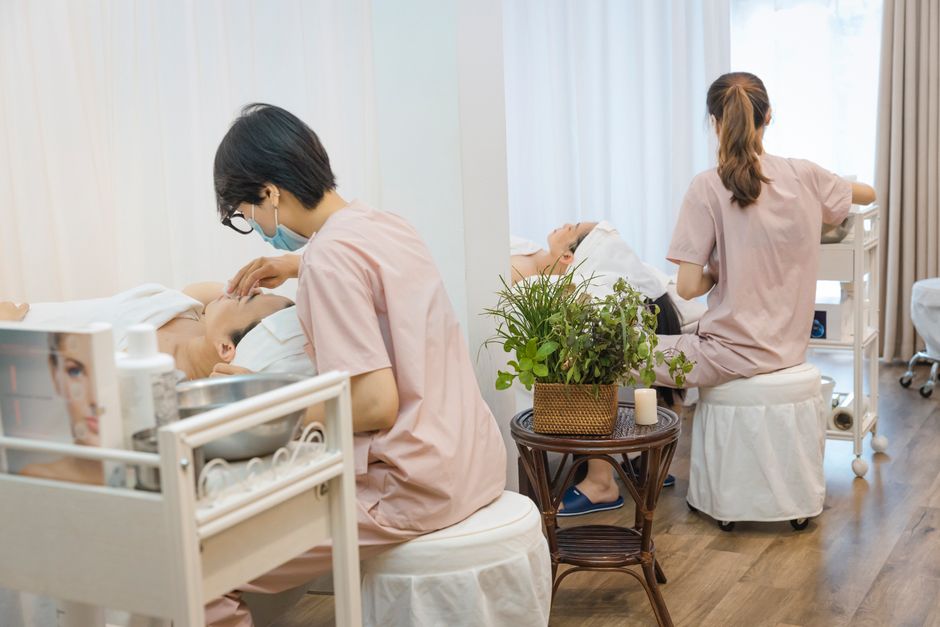
If you have more than 10 blackheads on one area of your face, see an esthetician. Professional extractions remove multiple blockages in one session with less risk of scarring. The cost is usually between $50 and $100 per session.
If your blackheads are accompanied by red, swollen pimples, do not use an extractor. This is a sign of active acne. Extraction on inflamed skin can worsen the breakout. A dermatologist can prescribe topical treatments that address the root cause.
If you have a history of keloid scarring or hyperpigmentation, avoid home extraction entirely. People with darker skin tones are at higher risk for lasting dark spots. Professional extractions use techniques that minimize trauma to the skin.
If you feel pain during extraction, stop. Pain means you are pressing too hard or the tool is on an inflamed area. Healthy blackhead removal should feel like light pressure only. Pain is a sign that something is wrong.
Frequently Asked Questions
Can I use a comedone extractor on whiteheads?
Whiteheads are harder to remove than blackheads because they sit under a layer of skin. It is safer to leave them alone or use a salicylic acid treatment instead.
How often can I use a comedone extractor?
Limit extractions to once per week at most. More frequent use can irritate the skin and increase the risk of infection.
What should I do if I see blood after extraction?
Stop immediately and clean the area with a gentle antiseptic. Bleeding means you pressed too hard or tore the skin.
Can I share my comedone extractor with someone else?
Never share extraction tools. Bacteria transfer easily through shared tools and can cause skin infections.
