
Using pH-D boric acid suppositories safely starts with knowing exactly what they are for. These suppositories treat recurrent yeast infections, specifically when caused by Candida species that are resistant to standard antifungal medications. You insert one suppository high into the vagina at bedtime for 7 to 14 days, depending on your doctor’s instructions. Boric acid is not a gentle alternative—it is a chemical with real risks if used incorrectly. Never take it by mouth. Never use it on broken skin. And never use it if you are pregnant. If you have never used boric acid before, start only after a doctor confirms you have a yeast infection, not bacterial vaginosis or something else.
What Exactly Are pH-D Boric Acid Suppositories?
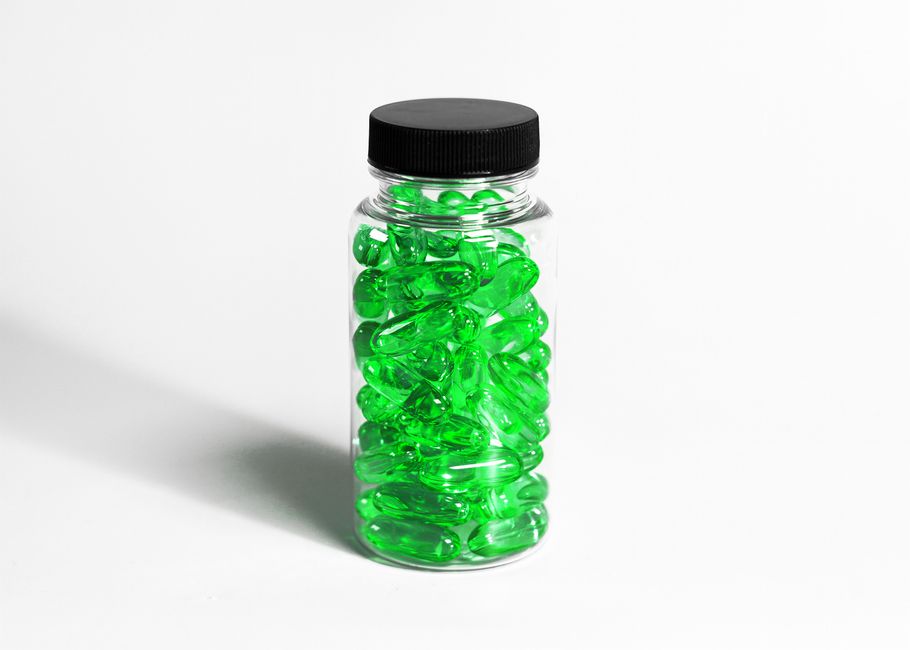
pH-D Boric Acid Suppositories are small gelatin capsules filled with 600 milligrams of boric acid powder. They are designed for vaginal use only. The company that makes them markets them specifically for recurring yeast infections, not for daily hygiene or prevention.
Boric acid has been used for decades in medical settings. Research published in the Journal of Women’s Health found that boric acid is effective against yeast strains that do not respond to fluconazole, the common oral antifungal pill. The mechanism is not fully understood, but boric acid appears to disrupt the cell wall of yeast and stop it from growing.
These suppositories are not FDA-approved. They are sold over the counter as a homeopathic product. That matters because the FDA does not test homeopathic products for safety or effectiveness the same way it tests prescription drugs. The manufacturer is responsible for quality control, not the government.
How To Use pH-D Boric Acid Suppositories Safely for a Yeast Infection
Wash your hands before handling the suppository. Remove one capsule from the blister pack. Lie on your back with your knees bent, or stand with your legs slightly apart and one foot on a low stool. Insert the capsule gently into the vagina as far as your index finger can comfortably reach—about one to two inches. Do not force it.
Use one suppository at bedtime for seven consecutive nights. Some doctors recommend 14 nights for stubborn infections. Do not use more than one per day. Do not leave it in longer than 12 hours. The capsule dissolves overnight and a watery discharge will leak out the next day. Wear a panty liner to protect your clothing.
Do not use boric acid suppositories during your menstrual period. Blood can interfere with the capsule dissolving properly. If your period starts during treatment, stop using the suppositories until your period ends, then continue for the remaining nights.
| Safe Use Step | What to Do | What Not to Do |
|---|---|---|
| Handling | Wash hands before and after | Do not touch eyes or mouth |
| Insertion | Insert gently, one to two inches | Do not force or use applicators not included |
| Timing | At bedtime for 7–14 nights | Do not use during the day or during your period |
| After use | Wear a panty liner | Do not douche or use other vaginal products |
| If pregnant | Do not use at all | No exceptions |
What Does Research Say About Boric Acid for Yeast Infections?
A 2011 review in the Journal of Obstetrics and Gynaecology Canada looked at multiple studies on boric acid for recurrent vulvovaginal candidiasis. The review found that boric acid had a clinical cure rate of about 70 percent after 7 to 14 days of treatment. That is comparable to standard antifungal creams, though not as high as oral fluconazole for first-time infections.
The real value of boric acid is for resistant cases. A 2003 study in the Journal of Infectious Diseases in Obstetrics and Gynecology found that boric acid successfully treated 92 percent of women whose yeast infections did not respond to fluconazole. Those are impressive numbers for a treatment that costs a fraction of prescription options.
Research also shows that boric acid can kill Candida glabrata, a yeast species that is naturally resistant to most azole antifungal drugs. Standard treatments often fail against this strain. Boric acid is one of the few over-the-counter options that works against it.
What research does not show is that boric acid prevents yeast infections. There is no clinical evidence that using it once a week or once a month keeps infections away. Some people report doing this, but no controlled studies support it. Using boric acid when you do not have an infection can irritate vaginal tissue and disrupt healthy bacteria.





What Are the Side Effects and Risks of Boric Acid Suppositories?
The most common side effect is vaginal irritation. A burning sensation, redness, or watery discharge can occur, especially in the first few days. This usually goes away as your body adjusts. If the burning gets worse or lasts beyond three days, stop using the suppositories and call your doctor.
Boric acid is toxic if swallowed. Keep the capsules away from children and pets. If someone accidentally swallows a capsule, call poison control immediately. The lethal dose for an adult is about 15 to 20 grams, but a single 600-milligram capsule can cause serious symptoms in a child.
Do not use boric acid suppositories if you have a damaged vaginal lining. That includes after childbirth, after a miscarriage, or after any vaginal surgery. The chemical can be absorbed into the bloodstream more easily through broken skin, increasing the risk of toxicity.
Some people report that boric acid suppositories cause a gritty or sandy discharge the next morning. That is normal. The capsule shell and powder mix with vaginal fluids and pass out naturally. It does not mean the product failed.
Common Misconceptions About Boric Acid Suppositories
The biggest myth is that boric acid treats bacterial vaginosis. It does not. Boric acid works against yeast, not bacteria. Using it for bacterial vaginosis will not help and may make irritation worse. Bacterial vaginosis requires antibiotics, usually metronidazole or clindamycin, prescribed by a doctor.
Another common belief is that boric acid is a natural or gentle alternative to prescription drugs. Boric acid is a chemical compound, not an herb or plant extract. It is classified as a poison by the Environmental Protection Agency. Calling it natural does not make it safe for misuse.
Some people think you can use boric acid suppositories during pregnancy to avoid oral medication. That is dangerous. Boric acid is classified as a category D drug for pregnancy, meaning there is evidence of risk to the fetus. Animal studies have shown birth defects at high doses. No doctor should recommend boric acid during pregnancy.
A fourth misconception is that you can use boric acid as a daily preventive. Some wellness influencers suggest using one suppository per week to keep yeast away. There is no clinical evidence for this practice. The American College of Obstetricians and Gynecologists does not recommend it. Chronic use can kill beneficial vaginal bacteria and cause a condition called cytolytic vaginosis, where the vagina becomes too acidic.
What to Avoid When Using Boric Acid Suppositories
Do not use any other vaginal products during treatment. That includes creams, ointments, spermicides, lubricants, and douches. These can interfere with the suppository dissolving properly or cause chemical reactions that increase irritation.
Do not have intercourse while using boric acid suppositories. The capsule can break during sex, and the powder can cause irritation to your partner. Also, boric acid is not a contraceptive and does not protect against sexually transmitted infections.
Avoid using tampons during treatment. Tampons can absorb the dissolved boric acid and reduce its effectiveness. Use panty liners instead. Change them regularly throughout the day.
Do not use boric acid suppositories if you have diabetes that is not well controlled. High blood sugar levels create an environment where yeast thrives. Boric acid can treat an active infection, but it will not fix the underlying cause. You need to manage your blood sugar to prevent recurrence.
When Should You See a Doctor Instead of Self-Treating?
If this is your first yeast infection, see a doctor before using boric acid. Many vaginal infections share similar symptoms—itching, burning, discharge—but require different treatments. Bacterial vaginosis and trichomoniasis look like yeast infections but need antibiotics, not boric acid.
If you have used boric acid for a full 14-day course and your symptoms have not improved, see a doctor. You may have a different condition, or you may need a prescription-strength antifungal. Recurrent yeast infections can also signal underlying health issues like diabetes or a weakened immune system.
If you experience fever, chills, pelvic pain, or foul-smelling discharge, see a doctor immediately. These are not normal yeast infection symptoms. They could indicate a more serious infection like pelvic inflammatory disease or a sexually transmitted infection.
Women who get four or more yeast infections per year should see a doctor for evaluation. This is called recurrent vulvovaginal candidiasis. It may require a different treatment plan, such as longer courses of antifungals or boric acid maintenance therapy under medical supervision. Do not self-treat indefinitely.
Frequently Asked Questions
Can I use boric acid suppositories while on my period?
No. Blood can prevent the capsule from dissolving properly. Wait until your period ends before starting or resuming treatment.
How long does it take for boric acid suppositories to work?
Most people notice improvement within three to five days. Complete treatment requires seven to 14 days to prevent the infection from returning.
Can boric acid suppositories cause infertility?
There is no clinical evidence that vaginal boric acid use causes infertility. Oral boric acid is toxic, but vaginal use at the recommended dose does not affect fertility.
Do I need a prescription for pH-D boric acid suppositories?
No. They are sold over the counter in most drugstores and online. However, you should only use them after a doctor confirms you have a yeast infection.
