
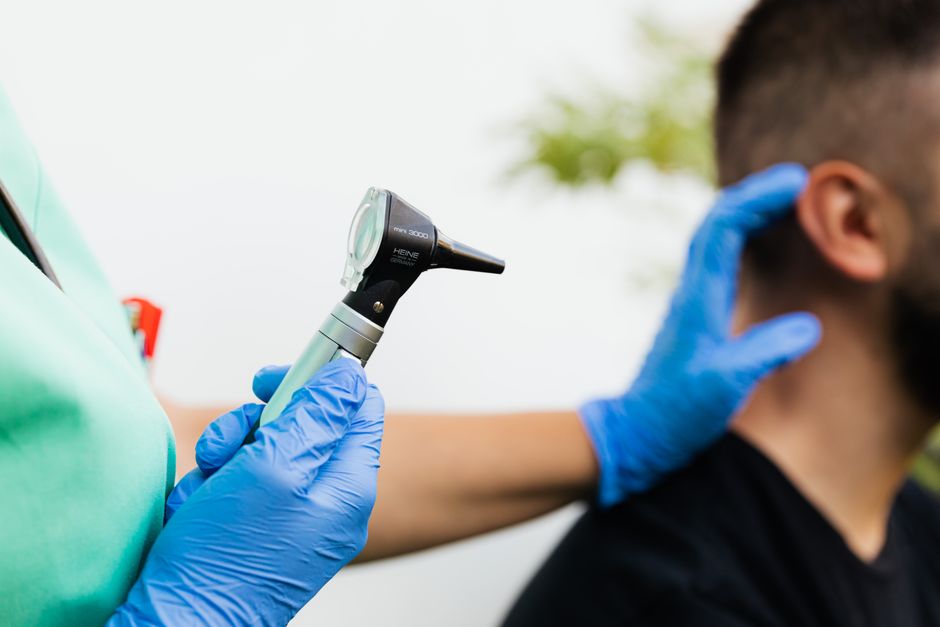
Earwax is normal. Everyone has it. It protects your ear canal from dust, dirt, and bacteria. But sometimes wax builds up too much. You might feel fullness, muffled hearing, or even pain. The safest way to handle it is to let your ears clean themselves. If that is not enough, over-the-counter ear drops are a safe next step. Never stick anything in your ear canal. Cotton swabs, bobby pins, and fingers push wax deeper and cause damage. This article explains what actually works and what does not based on current medical evidence.
What Causes Earwax Buildup in the First Place?
Some people naturally produce more earwax than others. It is often genetic. People with narrow or hairy ear canals are also more likely to have blockages. Using hearing aids or earbuds can push wax deeper over time.
Age plays a role too. As you get older, earwax becomes drier and harder. It does not move out of the ear canal as easily. The CDC reports that about 1 in 10 older adults have significant earwax buildup that affects their hearing.
Cleaning your ears with cotton swabs is one of the most common causes of impaction. You think you are removing wax. You are actually packing it against your eardrum. This is why doctors see so many patients with earwax problems caused by home cleaning attempts.
How To Get Wax Out Of Your Ears Safely: What the Evidence Says
The ear is self-cleaning. Skin in the ear canal grows outward, carrying old wax with it. Jaw movement from talking and chewing helps move wax toward the opening where it falls out or washes away during bathing. For most people, this system works fine without any help.
When buildup does happen, ear drops are the first-line treatment recommended by the American Academy of Otolaryngology. These drops soften hard wax so it can come out on its own. You can buy them over the counter. Look for drops with carbamide peroxide or hydrogen peroxide as the active ingredient. Follow the package directions closely.
Research published in JAMA Otolaryngology found that ear drops alone resolve about 50 percent of impacted wax cases within a few days. For the other half, professional removal by a healthcare provider is needed. This might involve irrigation with warm water or manual removal using special instruments under a microscope.
If you have a history of ear infections, a perforated eardrum, or ear surgery, do not use ear drops. See a doctor instead. Putting drops into a damaged ear can cause infection or pain.
What Home Remedies Are Safe and Which Ones Are Not?
There is a lot of bad advice online about earwax removal. Some of it is harmless but ineffective. Some of it is dangerous. Here is a clear breakdown.
Safe and supported by evidence:
- Mineral oil or baby oil. A few drops can soften wax. It is gentle and rarely causes irritation.
- Over-the-counter ear drops with carbamide peroxide. These are clinically tested and widely recommended by ENTs.
- Warm water rinse using a bulb syringe. This is safe if done gently and only after wax has been softened with drops for several days.
Not safe and should be avoided:
- Cotton swabs. They push wax deeper and can injure the ear canal or eardrum.
- Candle earwax removal. Ear candling has no proven benefit. Studies show it does not remove wax and can cause burns or injury.
- Sharp objects like paperclips or tweezers. The ear canal skin is thin and easily damaged.
- Water irrigation devices like Waterpik. The pressure is too high for the ear and can rupture the eardrum.
Some people report success with hydrogen peroxide diluted with water. This is widely claimed though strong evidence is limited. If you try it, use a 50/50 mix of hydrogen peroxide and warm water. Lie on your side for five minutes, then let it drain. Do not do this more than once a week.



Comparison of Common Earwax Removal Methods
The table below shows the main options for earwax removal and what the evidence says about each one.
| Method | How It Works | Evidence Level | Risk Level |
|---|---|---|---|
| Ear drops (carbamide peroxide) | Softens wax so it moves out naturally | Strong. Recommended by ENT guidelines. | Low. Safe when eardrum is intact. |
| Mineral oil | Lubricates and softens wax | Moderate. Widely used but few formal studies. | Low. Rarely causes irritation. |
| Warm water irrigation (bulb syringe) | Flushes softened wax out | Strong. Effective when wax is already softened. | Moderate. Can cause infection if water is not clean or pressure is too high. |
| Cotton swabs | Attempts to scoop wax out | None. Evidence shows it pushes wax deeper. | High. Common cause of impaction and injury. |
| Ear candling | Burning a hollow candle in the ear | None. Studies show no wax removal. | High. Burns and ear canal injury reported. |
| Professional removal | Doctor uses suction or curette under microscope | Strong. Gold standard for impacted wax. | Low. Very safe when done by trained provider. |
When Should You See a Doctor for Earwax?
Most earwax does not need medical treatment. But there are clear signs that you should see a healthcare provider. If you have ear pain, a feeling of fullness that does not go away, hearing loss, ringing in the ear, or dizziness, make an appointment. These symptoms can also be signs of other conditions like an ear infection or eustachian tube dysfunction.
People with diabetes or a weakened immune system should be cautious about home earwax removal. The ear canal skin is delicate and can get infected easily. If you have had ear surgery or a perforated eardrum in the past, never put anything in your ear without a doctor’s approval.
Doctors can remove earwax in several ways. Microsuction uses a small vacuum to pull wax out. Curettage uses a small scoop under a microscope. Irrigation uses a controlled stream of warm water. All three are safe when done correctly. The method your doctor chooses depends on the type and location of the wax.
Some clinics offer earwax removal by nurses or audiologists. This is usually safe. Just make sure the person is trained and uses proper equipment. Avoid walk-in ear cleaning services that use high-pressure irrigation. That method has a higher risk of complications.
Common Misconceptions About Earwax Removal
One of the biggest myths is that earwax is dirty and needs to be removed regularly. Earwax is not dirt. It is a protective substance. It traps particles and prevents them from reaching your eardrum. It also has antibacterial properties. Removing it too often can dry out the ear canal and make it more prone to infection.
Another myth is that hearing loss from wax buildup is permanent. It is not. Once the wax is removed, hearing usually returns to normal within a day or two. The hearing loss from wax is conductive, meaning sound waves cannot pass through the blockage. It is not damage to the inner ear or the auditory nerve.
Some people believe that ear candling pulls wax out by creating a vacuum. This is false. Research published in the journal Laryngoscope tested ear candles and found no evidence of vacuum or wax removal. The brown residue left in the candle is actually candle wax and soot, not earwax. The procedure is ineffective and carries real risk of burns.
As of 2026, there is no clinical evidence that earwax removal using at-home suction devices sold online is safe or effective. These devices are not regulated by the FDA for earwax removal. Stick with methods that have medical backing.
Frequently Asked Questions
Can I use hydrogen peroxide to remove earwax?
Yes, diluted hydrogen peroxide can soften earwax. Mix equal parts hydrogen peroxide and warm water and use a few drops. Do not use it if you have ear pain or a history of ear problems.
Is it safe to use cotton swabs to clean my ears?
No, cotton swabs are not safe for ear cleaning. They push wax deeper into the ear canal and can cause impaction or injury to the eardrum.
How often should I clean my ears?
You usually do not need to clean your ears at all. The ear cleans itself naturally. If you have frequent buildup, a doctor can recommend a safe schedule for maintenance.
Does ear candling really remove wax?
No, ear candling does not remove wax. Studies show it is ineffective and can cause burns or ear injury. It is not recommended by medical professionals.
