
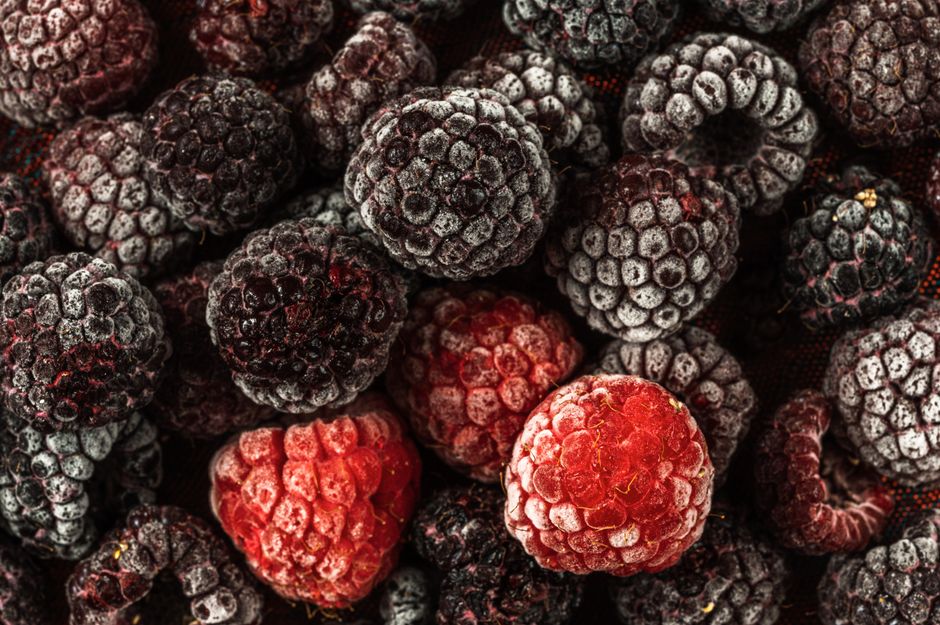
Freezing is one of the most effective ways to keep food safe and edible for months. The process works by dropping the temperature of food well below the point where water freezes, which stops the growth of microorganisms and slows down the chemical reactions that cause spoilage. When done correctly, freezing locks in the texture, flavor, and nutritional value of food at its peak, making it a reliable preservation method for nearly any type of food.
How The Freezing Process Preserves Food
Freezing preserves food by making water unavailable to the organisms that cause decay. Bacteria, yeasts, and molds all need liquid water to survive and multiply. When temperatures drop below 32°F (0°C), the water inside food turns to ice crystals. Those microorganisms can no longer use that water, so their growth stops completely.
Cold temperatures also slow down enzyme activity. Enzymes are natural proteins in food that cause ripening and eventual rotting. At freezer temperatures, typically 0°F (-18°C) or lower, these enzymes become nearly inactive. This is why frozen vegetables keep their color and sweetness for months while fresh vegetables turn limp and sour in a week.
Freezing does not kill all microorganisms. It only puts them into a dormant state. When the food thaws, any surviving bacteria can become active again and multiply rapidly. This is why thawed food must be handled with the same care as fresh perishable food.
What Happens to Food on a Cellular Level
Food is made of cells, and cells are mostly water. When you place food in a freezer, the water inside those cells begins to form ice. The speed of freezing determines the size of the ice crystals that form.
Slow freezing creates large ice crystals. These sharp crystals can puncture cell walls. When the food thaws, the damaged cells release their moisture, resulting in a mushy texture and watery drip. This is why a steak frozen slowly in a home freezer may taste drier than a fresh one.
Fast freezing creates small ice crystals that cause far less cellular damage. Commercial freezers use blast freezing, which circulates extremely cold air at high speed. This rapid process preserves the structural integrity of the food, keeping it closer to its fresh state after thawing. Some research suggests that faster freezing better preserves texture and reduces nutrient loss.
Does Freezing Destroy Nutrients?
Freezing itself does not destroy significant amounts of nutrients. The cold temperature actually protects many vitamins from breaking down. Vitamin C, for example, degrades at room temperature and during prolonged storage. Frozen vegetables often retain more vitamin C than fresh vegetables that have spent days in a refrigerator or on a store shelf.
The nutrient losses that do occur happen before freezing and during thawing. Blanching, the process of briefly boiling vegetables before freezing, causes some water-soluble vitamins like vitamin C and B vitamins to leach out. This step is still worthwhile because blanching inactivates enzymes that would otherwise cause flavor and color changes during frozen storage.
Thawing also causes some nutrient loss. As ice crystals melt, liquid drains from the food, and that liquid carries water-soluble vitamins with it. To minimize this, cook frozen vegetables directly from the frozen state rather than thawing them first.




What Foods Freeze Well and What Does Not
Understanding which foods tolerate freezing helps you avoid disappointment. Some foods emerge from the freezer nearly identical to fresh. Others turn unpalatable.
- Freeze well: meats, poultry, fish, berries, corn, peas, carrots, cooked grains, bread, soups, stews, and casseroles.
- Freeze poorly: lettuce and other leafy greens, cucumbers, radishes, and whole eggs in their shells.
- Change texture: milk, yogurt, and cream separate when frozen. Tomatoes become mushy, though they remain fine for cooking. Potatoes turn grainy unless they are mashed or in a prepared dish.
Dairy products are a common freezer failure. The fat and water in milk separate during freezing, leaving a grainy texture after thawing. High-fat dairy like heavy cream performs better than low-fat milk. Some commercial ice creams are engineered with stabilizers to prevent ice crystal formation, which is why they stay smooth.
How Long Can Frozen Food Stay Safe?
Frozen food kept at 0°F (-18°C) remains safe indefinitely. The constant freezing temperature prevents the growth of pathogens. However, quality declines over time, even if safety does not.
Texture, flavor, and color gradually deteriorate due to oxidation and moisture loss. Freezer burn occurs when air reaches the food surface, causing dehydration and discoloration. Freezer burn does not make food unsafe, but it does make it dry and unpleasant to eat.
As a general rule, ground meat and poultry keep their quality for 3 to 4 months. Whole cuts of beef, pork, and lamb maintain quality for 4 to 12 months. Cooked dishes and soups last 2 to 3 months. These are quality-based guidelines, not safety limits. Food stored well beyond these periods remains safe to eat, though it may not taste good.
Best Practices for Freezing Food at Home
How you package food matters as much as how cold your freezer is. Air is the enemy of frozen food. Oxygen causes oxidation, which leads to off-flavors and freezer burn. The goal is to remove as much air as possible from the package.
Use freezer-safe containers, heavy-duty aluminum foil, or plastic bags designed for freezing. Regular storage bags are too thin and allow air to pass through over time. When using bags, squeeze out excess air before sealing. Vacuum sealers are highly effective because they remove nearly all oxygen.
Label everything with the contents and date. Frozen food looks similar, and you will not remember what went in the freezer six months ago. Write the date directly on the package with a permanent marker.
Do not overload the freezer. Adding a large amount of warm food raises the temperature inside the freezer, which can partially thaw other items. Freeze food in small batches so the temperature stays stable.
Safe Thawing Methods
Thawing is where food safety mistakes happen. The rule is simple: never thaw food at room temperature. The outer surface of the food warms up quickly while the inside remains frozen, creating the perfect environment for bacterial growth.
The safest methods are refrigerator thawing, cold water thawing, and microwave thawing. Refrigerator thawing is the slowest but safest method. A large turkey can take several days to thaw in the refrigerator. Cold water thawing is faster, but the food must be in a leak-proof bag and the water must be changed every 30 minutes. Microwave thawing is quick but can begin cooking parts of the food.
Once food is thawed in the refrigerator, it can be refrozen without safety concerns. Refreezing will degrade quality further, but it will not make the food unsafe as long as it was thawed properly. Food thawed in cold water or the microwave should be cooked immediately and not refrozen raw.
Is Frozen Food Healthier Than Fresh?
In many cases, frozen food is nutritionally comparable to fresh food, and sometimes it is better. This is because frozen produce is typically harvested at peak ripeness and frozen within hours. Fresh produce, by contrast, may travel for days or weeks before reaching the store, losing nutrients along the way.
Research published in the Journal of Agricultural and Food Chemistry found that frozen fruits and vegetables often have similar or higher levels of vitamins and antioxidants compared to fresh counterparts stored for several days. The key factor is time. The longer food sits after harvest, the more nutrients it loses. Freezing halts that decline.
The main nutritional concern with frozen food is not the freezing itself but what manufacturers add. Some frozen meals contain high levels of sodium, added sugar, and saturated fat. Plain frozen fruits, vegetables, and meats contain nothing but the food itself. Read labels on prepared frozen foods carefully.
Common Myths About Frozen Food
A persistent myth is that freezing kills bacteria. It does not. Freezing only stops bacterial growth. When food thaws, bacteria resume multiplying. This is why frozen food that was contaminated before freezing remains contaminated after thawing.
Another myth is that frozen food loses all its nutritional value. As explained earlier, freezing preserves many nutrients effectively. The losses that occur are minimal compared to the losses from prolonged fresh storage.
Some people believe that thawed food should never be refrozen. This is not entirely accurate. Refreezing thawed food is safe as long as the food was thawed in the refrigerator and never left at room temperature for more than two hours. Quality will suffer, but safety is not compromised.
Frequently Asked Questions
Does freezing kill bacteria in food?
No, freezing does not kill bacteria. It only stops their growth by making water unavailable. Bacteria become active again once the food thaws.
How long can food stay in the freezer?
Frozen food remains safe indefinitely at 0°F (-18°C), but quality declines over time. Most foods maintain good quality for 3 to 12 months depending on the type.
Why does frozen food get freezer burn?
Freezer burn happens when air reaches the food surface, causing moisture to evaporate and the food to dehydrate. It is safe to eat but tastes dry and unpleasant.
Is frozen produce as nutritious as fresh produce?
Frozen produce is often nutritionally comparable to fresh, and sometimes better. It is harvested at peak ripeness and frozen quickly, preserving nutrients that fresh produce loses during transport and storage.
