
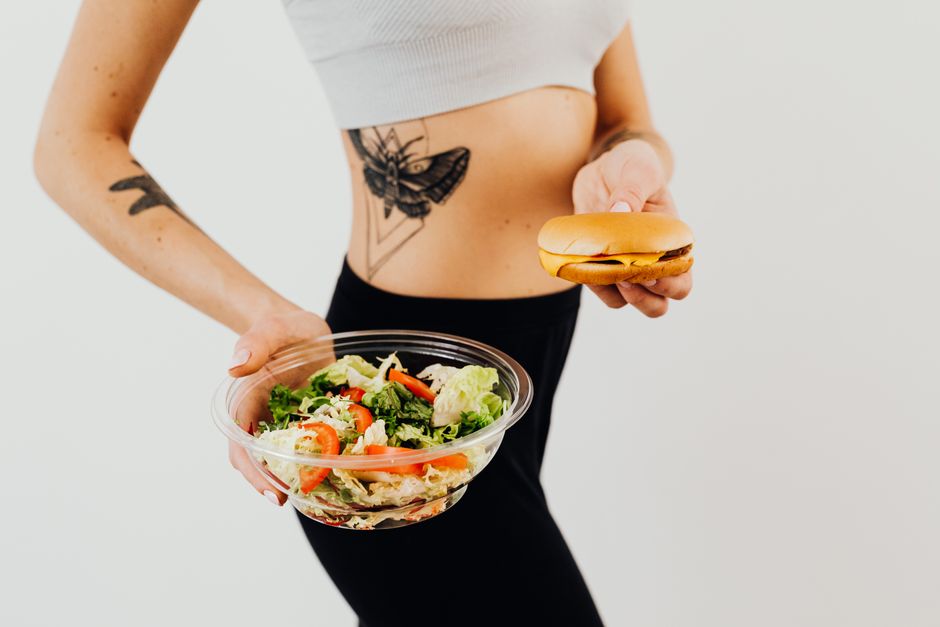
Fast food doesn’t have to mean a total nutrition reset. You can walk into almost any chain and build a meal that provides real protein, fiber, and vegetables without blowing your daily calorie or sodium budget. The key is knowing what to look for and what to skip. Grilled proteins, simple sides, and water or unsweetened drinks are your safest bets. Fried items, creamy sauces, and sugary sodas are where the calories and sodium add up fast.
What Are The Best Menu Categories To Choose?
Start with the protein. Grilled chicken, regular beef patties, and plain hamburgers are better choices than breaded or fried versions. A grilled chicken sandwich without mayo has significantly less fat and fewer calories than the crispy version. The same rule applies to fish — if it is breaded and fried, it is not a lean choice.
Look for menu items that are baked, grilled, or roasted. These preparation methods do not add the extra fat and calories that deep frying does. Many chains now offer grilled chicken wraps, burrito bowls, or salads with grilled protein. These are usually the most balanced options on the menu.
Vegetables are your friend. Add lettuce, tomato, onion, or pickles to sandwiches. Choose side salads instead of fries when possible. Some chains offer fruit cups, apple slices, or side salads as alternatives — these add fiber and nutrients that are otherwise missing from a typical fast food meal.
What Should You Order At A Burger Place?
A single hamburger or cheeseburger is a reasonable choice. Skip the double or triple patties — they double or triple the saturated fat and calories. A regular hamburger gives you protein and some iron without going overboard. The bun provides carbohydrates for energy, and you can add vegetables to increase the fiber content.
Order your burger without mayo or special sauce. These condiments add significant calories and fat. Mustard, ketchup, and pickles add flavor for very few calories. If you want a sauce, ask for it on the side and use a small amount.
Choose a side salad, apple slices, or a small fry instead of a large fry. If you do get fries, get the smallest size available. A small order of fries is about 220 calories at most major chains. A large order can be 500 calories or more before you add anything else.
Water, unsweetened iced tea, or diet soda are the best drink choices. A regular soda adds 150-200 calories of pure sugar. Even fruit juice drinks at fast food restaurants are often mostly sugar and water.
What Is The Healthiest Choice At A Chicken Place?
Grilled chicken is almost always the best option at a chicken restaurant. Many chains offer grilled chicken sandwiches, wraps, or nuggets. These have less fat and fewer calories than their fried counterparts. A grilled chicken sandwich typically has 300-400 calories, while a crispy version can be 500-600 calories or more.
Be careful with chicken salads. Some chicken salads at fast food chains are higher in calories and fat than a burger and fries. The culprits are fried chicken, cheese, tortilla strips, and creamy dressings. Choose grilled chicken, skip the crunchy toppings, and use a light dressing on the side.
If you want fried chicken, remove the skin before eating. This removes a significant amount of fat and calories. The meat itself is still a good source of protein, even if it was fried.


How Do You Navigate Mexican Fast Food?
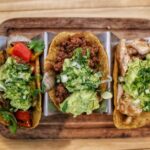
Burrito bowls and tacos with grilled meat are your best options at Mexican fast food chains. These give you protein, fiber from beans, and vegetables without the extra calories from a flour tortilla. A burrito bowl with grilled chicken, black beans, lettuce, and salsa is a balanced meal that can be under 600 calories.
Skip the sour cream, cheese, and guacamole if you are watching calories. These toppings add significant fat. If you want one of them, choose only one and ask for it on the side. Salsa, pico de gallo, and hot sauce add flavor for almost no calories.
Be cautious with the chips. A basket of tortilla chips with queso or guacamole can easily add 500-800 calories before your main meal arrives. If you want chips, share them or skip them entirely.
What About Breakfast At Fast Food Restaurants?
Breakfast is where fast food gets tricky. Many breakfast items are fried, loaded with cheese, or wrapped in large biscuits and croissants that add significant calories. An egg and cheese sandwich on a muffin or English muffin is a better choice than one on a biscuit or croissant.
Look for items with egg, lean meat, and a whole grain option. Some chains now offer oatmeal, yogurt parfaits, or egg white sandwiches. These are generally lower in calories and saturated fat than the biscuit sandwiches.
Hash browns and home fries are fried potatoes — they add calories without much nutritional value. Choose fruit, yogurt, or skip the side entirely. A plain coffee or unsweetened tea is a better drink choice than a flavored latte, which can have as much sugar as a soda.
What Are The Best Drink And Dessert Choices?
Water is always the best choice. Unsweetened iced tea, black coffee, and diet sodas are also reasonable. Regular sodas, sweetened teas, and specialty coffee drinks are the largest sources of added sugar in a fast food meal. A large sweet tea can contain 200-300 calories of sugar alone.
For dessert, fruit cups or apple slices are the best options when available. If you want a treat, share it or choose the smallest size. A small soft-serve cone is usually around 150-200 calories. A milkshake or sundae can be 500-800 calories and is essentially a dessert, not a drink.
How Do You Manage Sodium And Portion Sizes?
Sodium is a hidden problem at fast food restaurants. A single meal can easily contain more than half of the recommended daily sodium limit of 2,300 mg. Some items have over 1,500 mg of sodium on their own. Choose items without cheese, bacon, or special sauces to reduce sodium. Ask for no added salt on fries when possible.
Portion control matters more than any single menu choice. Fast food portions have grown significantly over the past few decades. A meal that was standard in the 1980s is now considered a small or child’s size. Order the smallest size available, or plan to eat half and save the rest for another meal.
Some research suggests that people underestimate the calories in fast food meals by a significant margin. This is not a judgment — it is a design feature of the food. Large portions, calorie-dense ingredients, and high palatability make it easy to eat more than intended. Being aware of portion sizes is the single most effective strategy for making fast food fit into a healthy diet.
What To Eat At Fast Food — A Simple Strategy
The simplest strategy is to follow three rules. Choose grilled over fried. Choose water over sugary drinks. Choose the smallest size available. These three choices will eliminate most of the excess calories, fat, and sugar from a typical fast food meal.
You do not need to be perfect. A fast food meal eaten occasionally, even a less healthy one, will not derail an otherwise balanced diet. The issue is when fast food becomes a regular habit and the choices are consistently fried, sugary, and oversized. Making better choices most of the time is what matters.
Most major chains now provide nutrition information on their websites and apps. You can look up the specific calorie, sodium, and fat content of menu items before you order. This takes a few minutes and can help you make an informed choice rather than guessing.
Frequently Asked Questions
What is the healthiest thing to order at a fast food restaurant?
Grilled chicken sandwiches, burrito bowls, or salads with grilled protein and a light dressing are consistently the most balanced options. Pair them with water and a side salad or fruit instead of fries.
Can I eat fast food and still lose weight?
Yes, if you manage portions and choose grilled over fried options. A single hamburger, small fries, and water can fit into a calorie-controlled diet — the problem is usually oversized portions and sugary drinks.
Is a salad from a fast food restaurant actually healthy?
Not always — some fast food salads have more calories and fat than a burger because of fried chicken, cheese, and creamy dressings. Choose grilled chicken, skip crunchy toppings, and use dressing on the side.
What should I drink with a fast food meal?
Water, unsweetened iced tea, or black coffee are the best choices. Regular sodas and sweetened teas add 150-300 calories of sugar that provide no nutritional value.
