
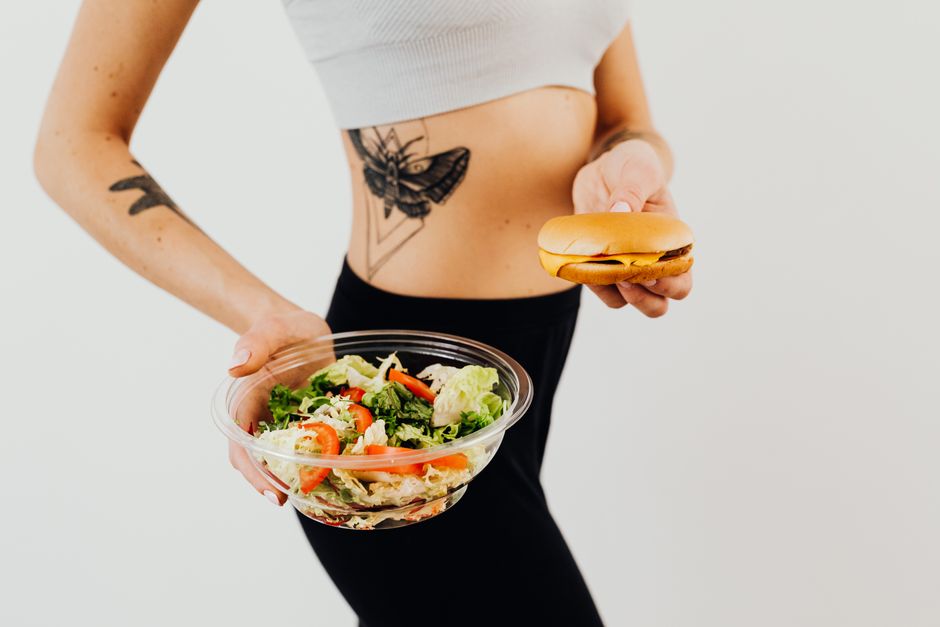
Chipotle is not junk food in the traditional sense, but it is not automatically a health food either. The chain serves whole ingredients like grilled chicken, black beans, brown rice, and fresh salsa, which puts it ahead of typical fast food. However, the final meal can easily exceed 1,200 calories and pack more than 1,500 milligrams of sodium depending on what you choose. The real answer is that Chipotle is a customizable restaurant where the nutrition outcome depends almost entirely on your ordering decisions, not on the brand itself.
What Actually Makes Food “Junk Food”?
Junk food typically means highly processed items with added sugars, refined flours, and industrial seed oils. Think of fried chicken sandwiches, milkshakes, or value-menu burgers. These foods are engineered to taste good and are stripped of most fiber, protein, and micronutrients.
Chipotle does not fit that definition. The restaurant uses whole cuts of meat, rice, beans, vegetables, and dairy. The ingredients are recognizable as food. You can see the components of your meal. That alone separates it from most drive-thru options.
But processed does not automatically mean unhealthy, and unprocessed does not automatically mean healthy. A burrito made entirely of white rice, cheese, sour cream, and guacamole is calorically dense even though each ingredient is a whole food. The issue is portion size and balance, not processing.
Is Chipotle Junk Food The Real Nutrition Breakdown
The nutritional profile of Chipotle varies wildly based on what you order. A standard chicken burrito with white rice, black beans, cheese, sour cream, and salsa lands around 1,100 to 1,300 calories. That is a large meal for most adults. It also contains roughly 1,800 to 2,200 milligrams of sodium, which is close to or above the American Heart Association’s recommended daily limit of 2,300 milligrams.
Compare that to a chicken burrito bowl with brown rice, fajita vegetables, black beans, fresh tomato salsa, and lettuce. That meal comes in around 600 to 700 calories with about 1,200 milligrams of sodium. The protein content stays high at roughly 40 grams, and the fiber jumps to around 15 grams because of the beans and vegetables.
The same restaurant produces both meals. Neither is junk food. One is simply a much larger, more calorie-dense portion with more saturated fat and sodium. The other is a balanced meal that fits most people’s daily needs.
Why Portion Size Matters More Than The Brand
Chipotle is known for large portions. A standard burrito tortilla alone adds about 300 calories before any filling goes in. That tortilla is the single biggest driver of calorie differences between a burrito and a bowl.
The serving sizes at Chipotle are not regulated by any external authority. Employees are trained to scoop specific amounts, but there is natural variation. A burrito that gets an extra scoop of rice or a heavier portion of cheese can easily jump by 200 to 300 calories without looking noticeably different.
This is why nutrition information from the restaurant’s website is a starting point, not a guarantee. The published numbers reflect standard portions. Your actual meal may differ. If you are tracking calories closely, consider ordering a bowl instead of a burrito and asking for lighter portions of the calorie-dense toppings.


Protein and Fiber: The Strong Points
Chipotle does several things well from a nutrition standpoint. The protein options are genuinely high quality. Chicken, steak, and barbacoa are lean sources of protein with minimal added sugar. The sofritas, which are braised tofu, provide a solid plant-based protein option with about 8 grams of protein per serving.
The beans are another strong point. Black beans and pinto beans each provide roughly 6 to 8 grams of fiber per serving. Most Americans get only about half the recommended daily fiber intake of 25 to 30 grams. A bowl with beans and vegetables can meaningfully close that gap.
The fajita vegetables add volume and nutrients for very few calories. They are grilled peppers and onions with no added sauce. Adding them increases the meal size without meaningfully increasing calories or sodium.
The Hidden Sodium Problem
Sodium is the most underrated concern at Chipotle. The meats are marinated and seasoned, which adds salt. The rice is cooked with salt and lime. The beans contain salt. The salsa, cheese, and sour cream all contribute sodium as well.
A fully loaded burrito can easily exceed 2,300 milligrams of sodium, which is the daily upper limit recommended for most adults. For people with high blood pressure or kidney disease, the target is often lower at 1,500 milligrams. That means a single burrito could cover an entire day’s sodium allowance or more.
If you are watching sodium, the practical strategy is to skip the cheese and sour cream, choose one salsa instead of two, and ask for light rice. These small changes can cut 400 to 700 milligrams of sodium from the meal without making it taste bland.
Calorie Density: Where It Goes Wrong
The biggest calorie contributors at Chipotle are the tortilla, cheese, sour cream, and guacamole. Guacamole is the most surprising one because it is often viewed as a health food. Avocados are nutrient-dense and full of monounsaturated fat, but guacamole at Chipotle adds about 230 calories per serving. That is not a problem if you account for it. It becomes a problem when you add it on top of everything else without adjusting anything else.
Cheese and sour cream add roughly 110 and 110 calories per serving respectively. Together that is 220 calories of mostly saturated fat. Add the tortilla at 300 calories and guacamole at 230 calories, and you have 750 calories before the protein, rice, and beans even enter the picture.
This is why a burrito bowl is the more controllable option. You get the same fillings without the tortilla. The meal remains filling because the protein and fiber keep you satisfied, but the total calorie count drops substantially.
Comparing Chipotle to Other Fast Food
When compared directly to other fast food chains, Chipotle generally comes out ahead on ingredient quality. The chicken is not breaded or fried. The rice is not fried. The salsas are made from fresh vegetables. There is no secret sauce loaded with sugar and mayonnaise.
However, the calorie and sodium totals are comparable to many fast food meals. A quarter-pound cheeseburger with fries lands around 1,100 calories. A Chipotle burrito with similar toppings lands around the same number. The difference is that the Chipotle meal provides more protein, more fiber, and more micronutrients per calorie.
The practical takeaway is that Chipotle is not a free pass. It is a better choice than most drive-thru options, but it still requires portion awareness. If you order a burrito with every topping, you are eating a large, calorie-dense meal regardless of the ingredient quality.
How To Order A Balanced Meal At Chipotle
If your goal is a balanced meal under 700 calories, a reliable approach is to order a bowl with a lean protein, brown rice, black beans, fajita vegetables, fresh tomato salsa, and lettuce. Skip the cheese, sour cream, and guacamole, or add only one of them if you want the flavor.
If you want the burrito, consider splitting it into two meals. A full burrito with meat, rice, beans, and toppings is often enough for two sittings. This is not a diet tip as much as a portion reality check. Most people do not need 1,200 calories in a single sitting.
For those watching carbohydrates, the salad base with double protein and beans provides a lower-carb meal that still has enough fiber and protein to be satisfying. The vinaigrette dressing is calorie-dense at about 260 calories per serving, so use it sparingly or skip it in favor of salsa.
What The Evidence Actually Shows
There is no clinical research specifically on Chipotle as a restaurant. The evidence on whole foods, fiber, and protein is well established, and Chipotle’s ingredients align with those principles. The chain publishes nutrition information, and the numbers confirm that the meals are not inherently unhealthy but can be excessive in portion.
Some research suggests that people underestimate calories at fast food restaurants by 20 to 40 percent. This is not unique to Chipotle. The larger the meal, the more likely people are to underestimate its calorie content. This is why ordering a bowl with visible portions is a more accurate way to gauge what you are eating.
The honest conclusion is that Chipotle is a neutral tool. It can be part of a healthy diet if you order thoughtfully. It can also be a 1,500-calorie sodium bomb if you do not. The brand does not make the decision. You do.
Frequently Asked Questions
Is Chipotle healthier than McDonald’s?
Generally yes, because Chipotle uses whole cuts of meat, fresh vegetables, and beans rather than fried and heavily processed items. However, a fully loaded Chipotle burrito can match a McDonald’s meal in calories and sodium.
What is the healthiest thing to order at Chipotle?
A bowl with chicken, brown rice, black beans, fajita vegetables, fresh tomato salsa, and lettuce is one of the most balanced options. It provides roughly 600 to 700 calories with high protein and fiber.
Why is Chipotle so high in sodium?
The meats are marinated and seasoned, and the rice, beans, and salsas all contain added salt. These ingredients individually have moderate sodium, but combined in a large portion they add up quickly.
Is Chipotle guacamole healthy?
Guacamole is made from avocados and is nutrient-dense, but it adds about 230 calories per serving. It is healthy in moderation, not as an automatic addition to every meal.
