
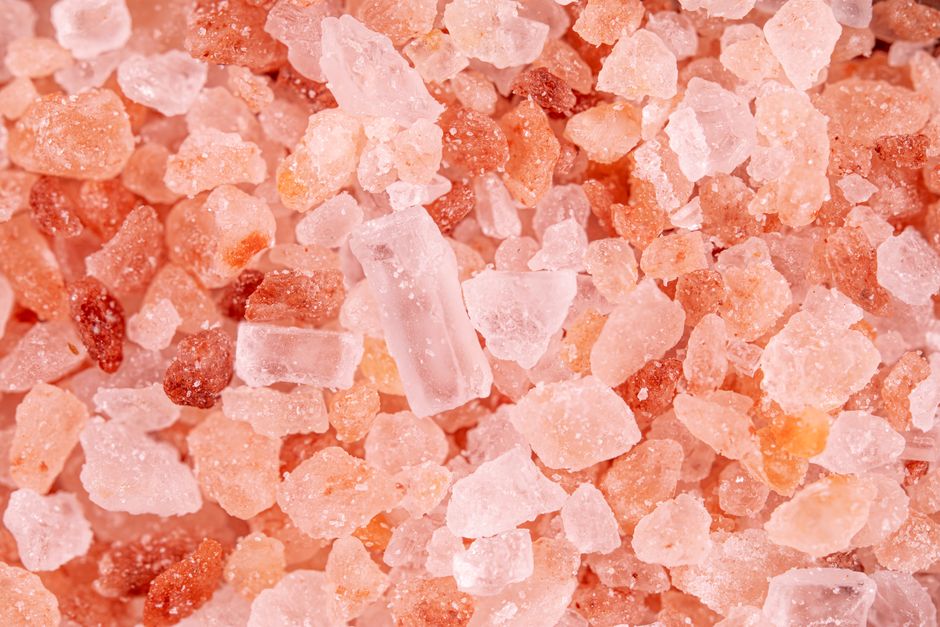
Salt curing is one of the oldest methods of food preservation, dating back thousands of years. It works by drawing moisture out of food and creating an environment where harmful bacteria cannot survive and multiply. By removing water and increasing salt concentration, the process stops spoilage and extends the shelf life of meats, fish, and vegetables without refrigeration.
How Does Salt Actually Preserve Food?
Salt preserves food through a process called osmosis. When salt is applied to food, it pulls water out of the food’s cells. Most bacteria, yeasts, and molds need water to grow and reproduce. Without it, they cannot survive.
Salt also creates a hostile environment for microbes in another way. The high salt concentration outside the food draws water out of bacterial cells themselves. This causes the bacteria to dehydrate and die. This is why heavily salted foods can sit at room temperature for long periods without spoiling.
Some curing methods also use sugar, nitrates, or nitrites. These ingredients do more than add flavor. Nitrites, for example, prevent the growth of Clostridium botulinum, the bacteria that causes botulism. This is especially important in cured meats that are smoked or stored without oxygen.
What Is the Difference Between Curing and Pickling?
Curing and pickling are related but not the same. Curing uses salt to remove moisture from food. Pickling uses an acidic liquid, usually vinegar, to change the food’s environment so bacteria cannot grow.
Some pickling methods use salt as well. Fermented pickles, for example, start with a saltwater brine. The salt prevents harmful bacteria while allowing beneficial lactic acid bacteria to grow. These bacteria produce acid, which preserves the food. This is why fermented pickles have a sour taste.
Salt curing does not rely on acid. It relies purely on moisture removal and salt concentration. Foods like salt pork, corned beef, and salt cod are cured with salt alone or with added sugar and spices.
What Foods Are Commonly Salt Cured?
Salt curing is most commonly used for meats and fish. Bacon, ham, prosciutto, salami, and other charcuterie products all rely on curing. Salt cod and gravlax are popular cured fish products.
Vegetables can also be salt cured. Sauerkraut and kimchi are made through salt fermentation. Salted lemons are another example, preserved in a mixture of salt and their own juices.
Each food requires a different curing approach. Whole cuts of meat like ham may be cured for weeks or months. Thin cuts like bacon may be cured in just a few days. Fish cures faster than meat because fish tissue is more delicate and has a higher moisture content.





Is Salt Cured Food Safe to Eat?
Salt cured foods are safe when prepared correctly. The key is using the right amount of salt and following proper food safety practices. Too little salt will not preserve the food. Too much salt can make it inedible.
Commercial salt curing follows strict safety standards. Home curing requires more care. The main risks are bacterial contamination and the formation of harmful compounds.
Nitrates and nitrites are a common concern. These additives prevent botulism but have been studied for potential health risks. The evidence on processed meat and cancer risk has led some health organizations to recommend limiting consumption. The World Health Organization has classified processed meats as a Group 1 carcinogen, meaning there is strong evidence they increase cancer risk. This does not mean cured meats are toxic, but it does mean they should be eaten in moderation.
How Much Salt Is Needed to Cure Food?
The amount of salt needed depends on the food and the curing method. For dry curing meats, a general rule is about 3% salt by weight of the meat. This means 30 grams of salt per kilogram of meat. This concentration is enough to inhibit most spoilage bacteria.
For wet curing, or brining, the salt concentration is typically between 5% and 10% in the water. Higher concentrations are used for longer storage. Lower concentrations are used for shorter curing periods.
These are general guidelines, not strict rules. Different recipes call for different amounts. If you are curing food at home, follow a tested recipe from a reliable source. Do not guess at salt amounts. Too little salt can allow dangerous bacteria to grow.
Does Salt Curing Change the Nutritional Value of Food?
Salt curing primarily adds sodium. A single serving of cured meat can contain a significant portion of the recommended daily sodium limit. The American Heart Association recommends no more than 2,300 milligrams of sodium per day, with an ideal limit of 1,500 milligrams for most adults. A serving of ham or bacon can contain 500 to 1,000 milligrams or more.
Salt curing also changes the protein structure in meat. The salt denatures proteins, which changes the texture. This is why cured meats have a firmer, denser texture than fresh meat.
The curing process does not significantly destroy vitamins or minerals. Some water-soluble vitamins may leach out during brining, but the effect is minor. The bigger nutritional concern is sodium content, not nutrient loss.
What Are the Risks of Home Salt Curing?
Home salt curing carries real risks. The most serious is botulism. Clostridium botulinum spores are found in soil and can contaminate food. In an oxygen-free environment with low acidity, these spores can produce a deadly toxin.
Nitrites are added to cured meats specifically to prevent botulism. If you cure meat at home without nitrites, you need to be very careful about storage conditions. Refrigerated or frozen cured meats are safer than those stored at room temperature.
Another risk is mold growth. Salt curing does not always prevent mold, especially if the food is not fully covered in salt or is stored in humid conditions. Some molds are harmless, but others produce mycotoxins that can cause illness.
No clinical guidelines currently exist for home curing safety that cover every possible scenario. If you are new to curing, start with simple recipes and use reliable sources. Consider taking a class or learning from an experienced person rather than experimenting on your own.
How Long Do Salt Cured Foods Last?
Properly cured and stored foods can last for months or even years. Dry cured meats like prosciutto can last 6 months to a year when stored in a cool, dry place. Salt cod can last even longer if kept completely dry.
Wet cured foods do not last as long. Brined meats should be refrigerated and used within a few weeks. Fermented vegetables like sauerkraut can last several months in the refrigerator.
The shelf life depends on the salt concentration, storage temperature, and whether nitrites were used. Higher salt content and cooler temperatures extend shelf life. Once a cured product is cut open, it spoils faster because the interior is exposed to air and moisture.
Are There Healthier Alternatives to Salt Curing?
Refrigeration and freezing have largely replaced salt curing for everyday food preservation. These methods do not add sodium and do not change the nutritional profile of food significantly.
For people watching their sodium intake, fresh or frozen meats are a better choice than cured meats. If you enjoy the flavor of cured meats, look for reduced-sodium versions. Some companies now offer products cured with less salt, though these have a shorter shelf life.
Other preservation methods include drying, smoking, and vacuum sealing. Each has its own benefits and drawbacks. Salt curing remains popular because of the unique flavors it creates, not because it is the only way to preserve food.
Frequently Asked Questions
Is salt curing the same as brining?
No. Brining is a form of salt curing, but the terms are not interchangeable. Brining uses a saltwater solution, while dry curing rubs salt directly onto the food.
Can you get botulism from salt cured meat?
Yes, if the meat is not cured properly. Botulism can occur when salt levels are too low and the meat is stored without oxygen. Nitrites are added to commercial cured meats specifically to prevent this.
How much salt is in salt cured meat?
Salt cured meats typically contain 1.5% to 3% salt by weight. A single serving can provide a large portion of the recommended daily sodium limit of 2,300 milligrams.
Is salt cured meat safe during pregnancy?
Pregnant women should be cautious with salt cured meats. The high sodium content is a concern, and some cured meats may carry a risk of listeria if not stored properly. Consult your healthcare provider for specific guidance.
