

Your body has a built-in system that keeps your blood pressure from swinging too high or too low. It works constantly, using sensors in your blood vessels, hormones from your kidneys, and signals from your nervous system. This guide explains exactly how the body regulates blood pressure, what happens when the system breaks down, and what the evidence says about keeping it working well.
How Does the Body Sense Blood Pressure Changes?
Your blood vessels contain special sensors called baroreceptors. They are located in the walls of your carotid arteries in your neck and your aorta near your heart. These sensors detect stretching in the vessel walls. When blood pressure rises, the walls stretch more. When it drops, they stretch less.
The baroreceptors send this information to your brainstem constantly. Your brainstem processes the signal in milliseconds. It then sends commands through your autonomic nervous system to adjust your heart rate and the width of your blood vessels. This is called the baroreflex. It is your body’s fastest blood pressure control mechanism. It responds within seconds.
Research published in the journal Circulation has confirmed that this reflex is the primary short-term regulator of blood pressure. It handles everyday changes like standing up, exercising, or feeling stressed. Without it, you would feel dizzy or faint every time you stood up quickly.
What Role Do the Kidneys Play in Long-Term Blood Pressure Control?
Your kidneys are the main organs for long-term blood pressure regulation. They control how much fluid stays in your body and how much leaves as urine. More fluid in your blood vessels means higher pressure. Less fluid means lower pressure.
The kidneys use a system called the renin-angiotensin-aldosterone system, or RAAS. When your kidneys sense that blood pressure is too low, they release an enzyme called renin. Renin starts a chain reaction. It converts a protein in your blood into angiotensin I, which then becomes angiotensin II. Angiotensin II is a powerful vasoconstrictor. It narrows your blood vessels, which raises pressure. It also tells your adrenal glands to release aldosterone, a hormone that makes your kidneys hold onto sodium and water. This increases blood volume and raises pressure further.
The American Heart Association explains that this system is essential for survival. It keeps your blood pressure stable over hours and days. However, when RAAS becomes overactive, it can cause chronic high blood pressure. Many common blood pressure medications, such as ACE inhibitors and ARBs, work by blocking parts of this system.
How Does the Nervous System Regulate Blood Pressure Moment by Moment?
Your autonomic nervous system has two branches that affect blood pressure. The sympathetic nervous system raises it. The parasympathetic nervous system lowers it. They work like a gas pedal and a brake.
When your sympathetic nervous system activates, it increases your heart rate and makes your heart pump harder. It also constricts your blood vessels. This raises blood pressure quickly. This happens when you exercise, feel threatened, or even just stand up. Your parasympathetic nervous system does the opposite. It slows your heart rate and allows blood vessels to widen, which lowers pressure. This is most active when you are resting or digesting food.
Studies have found that people with chronic stress often have overactive sympathetic nervous systems. This can keep blood pressure slightly elevated all day long. Over months and years, this contributes to hypertension. The CDC reports that about half of US adults have high blood pressure, and lifestyle factors like stress play a real role.


What Happens When Blood Pressure Regulation Fails?
When the baroreflex, the kidneys, or the nervous system stop working correctly, blood pressure can become unstable. The most common problem is chronic hypertension, where pressure stays too high over time. Less common is orthostatic hypotension, where pressure drops sharply when standing up.
Primary hypertension, which accounts for about 90% of cases, has no single cause. It results from a combination of factors. The kidneys may retain too much fluid. The blood vessels may become stiff and less responsive. The sympathetic nervous system may stay overactive. The exact mix varies from person to person. Research from the National Institutes of Health has shown that genetics, diet, physical activity, and age all influence which parts of the system break down first.
Secondary hypertension has a clear cause. Kidney disease, sleep apnea, thyroid disorders, and certain medications can directly disrupt blood pressure regulation. When the underlying cause is treated, blood pressure often returns to normal.
| Regulation System | Speed of Response | What It Controls | What Goes Wrong |
|---|---|---|---|
| Baroreflex | Seconds | Heart rate, vessel width | Weakened reflex with age or nerve damage |
| RAAS (kidneys) | Hours to days | Blood volume, vessel constriction | Overactive system causes hypertension |
| Autonomic nervous system | Seconds to minutes | Heart rate, vessel tone | Chronic stress keeps system overactive |
| Endothelial function | Minutes to hours | Local vessel dilation | Stiff vessels from aging or poor diet |
Does Diet Actually Change How the Body Regulates Blood Pressure?
Yes, diet affects multiple parts of the regulation system. The most well-studied dietary approach is the DASH diet, which stands for Dietary Approaches to Stop Hypertension. Research published in the New England Journal of Medicine found that the DASH diet lowered systolic blood pressure by 5 to 6 points in people with normal pressure and by 11 points in people with hypertension. That is comparable to some single-drug treatments.
The DASH diet works by affecting the RAAS system directly. It is low in sodium and high in potassium, calcium, and magnesium. Potassium helps your kidneys excrete sodium, which reduces blood volume. High sodium intake, by contrast, suppresses the RAAS system in an unhealthy way. It forces the kidneys to hold onto water, which increases blood volume and pressure.
A less obvious point is that the DASH diet also improves endothelial function. The endothelium is the inner lining of your blood vessels. It releases nitric oxide, which tells vessels to relax and widen. A diet rich in fruits, vegetables, and whole grains supports nitric oxide production. A diet high in processed foods and added sugars damages it. Some studies suggest that beetroot juice, which is high in nitrates, can boost nitric oxide levels temporarily. The effect is modest but real.
What Are the Common Misconceptions About Blood Pressure Regulation?
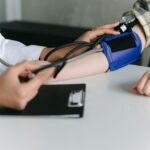
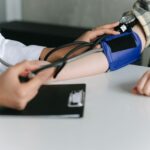
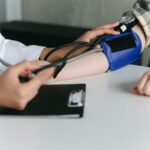
A widespread myth is that high blood pressure always causes symptoms like headaches or dizziness. Most people with hypertension have no symptoms at all. The condition is often called the silent killer for this reason. By the time symptoms appear, damage to blood vessels and organs may already be advanced. The only reliable way to know your blood pressure is to measure it with a cuff.
Another misconception is that salt is the only dietary factor that matters. Salt is important, but potassium intake may be equally critical. The typical US diet is high in sodium and low in potassium. This combination is particularly bad for blood pressure regulation. The ratio of sodium to potassium matters more than either number alone. The CDC recommends getting 4,700 milligrams of potassium per day from food sources like bananas, potatoes, spinach, and beans.
Some people also believe that blood pressure naturally rises with age and that nothing can be done about it. Age-related changes in blood vessel stiffness are real, but they are not unavoidable. Lifestyle changes, including diet, exercise, and weight management, can slow or even reverse some of these changes. A study published in JAMA found that a combination of aerobic exercise and moderate weight loss reduced systolic pressure by an average of 7 points in older adults.
- Myth: You can feel when your blood pressure is high. Fact: Most people have no symptoms.
- Myth: Salt is the only diet factor. Fact: Potassium balance matters just as much.
- Myth: High blood pressure is inevitable with age. Fact: Lifestyle changes can prevent or reverse it.
- Myth: Medications cure hypertension. Fact: They manage it; lifestyle changes address root causes.
What Should You Actually Do to Support Healthy Blood Pressure Regulation?
Focus on the systems that control blood pressure, not just the number on the cuff. The baroreflex responds well to regular aerobic exercise. Walking, cycling, or swimming for 30 minutes most days improves the sensitivity of your baroreceptors. This means your body gets better at adjusting blood pressure in real time.
Support your kidneys by keeping your sodium intake under 2,300 milligrams per day, and ideally under 1,500 milligrams if you already have high blood pressure. Increase potassium through whole foods. Processed foods are the main source of excess sodium in the US diet. Cooking from scratch gives you direct control over salt.
Manage your autonomic nervous system with consistent sleep and stress management. Poor sleep activates the sympathetic nervous system and keeps blood pressure elevated at night. The American Heart Association notes that people who sleep fewer than six hours per night have a higher risk of hypertension. Stress reduction techniques like deep breathing or meditation lower sympathetic activity, though the effect on blood pressure is smaller than diet and exercise.
Some people report that specific supplements like magnesium or CoQ10 help support blood pressure regulation. Strong evidence is limited for most supplements. Magnesium may have a small effect in people who are deficient, but the effect is modest. The safest and most evidence-backed approach is to get nutrients from food, not pills. As of 2026, there is no clinical evidence that any supplement replaces the effects of diet, exercise, and medication when needed.
Frequently Asked Questions
What is the fastest way to lower blood pressure naturally?
Deep breathing exercises can lower blood pressure within minutes by activating the parasympathetic nervous system. The effect is temporary and not a substitute for long-term management.
Can drinking water lower blood pressure?
Drinking water helps maintain proper blood volume and supports kidney function. Dehydration can raise blood pressure by triggering the RAAS system to retain fluid.
Does caffeine affect blood pressure regulation?
Caffeine temporarily raises blood pressure by blocking adenosine and increasing sympathetic nervous system activity. Regular coffee drinkers develop tolerance and the effect diminishes over time.
How does exercise change blood pressure regulation over time?
Regular aerobic exercise improves baroreflex sensitivity and makes blood vessels more flexible. This leads to lower resting blood pressure within weeks.
