
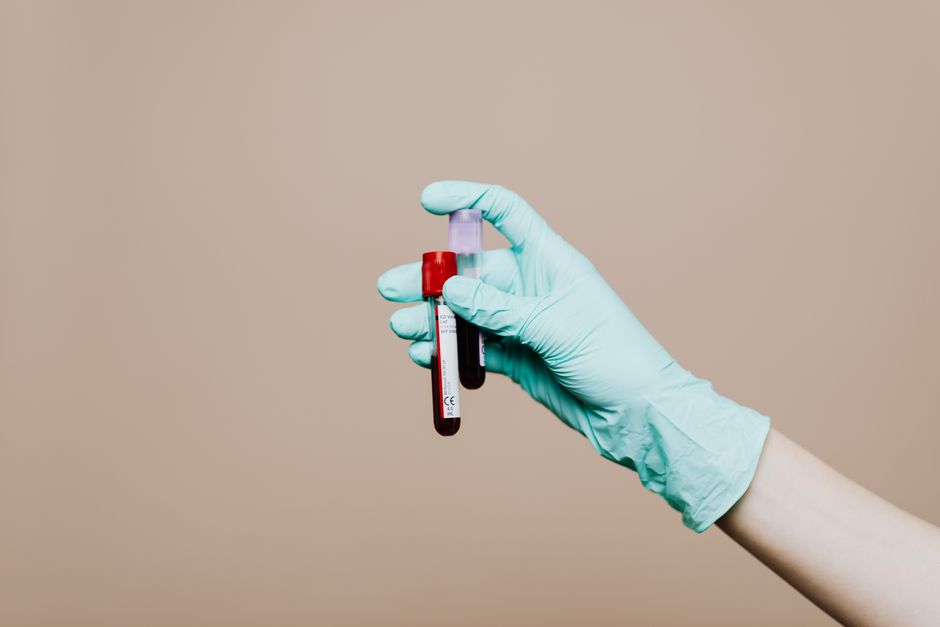
If you think you might be pregnant, waiting for a clear answer can feel like the longest part. A blood test can detect pregnancy as early as 6 to 8 days after ovulation. That is about 5 to 7 days before your missed period. These tests measure the hormone human chorionic gonadotropin (hCG) in your blood. This hormone starts to rise right after a fertilized egg implants in your uterus. Blood tests are more sensitive than most home urine tests and can give you a yes or no answer days earlier. But the timing depends on your body and when implantation happens.
How Do Blood Tests Detect Pregnancy Differently Than Urine Tests?
Blood tests and urine tests both look for hCG. The difference is in how much hCG they need to find. Urine tests typically need a higher level of the hormone to show a positive result. Most home pregnancy tests detect hCG at levels around 20 to 50 mIU/mL. Blood tests can detect levels as low as 1 to 5 mIU/mL. This makes them much more sensitive.
There are two types of blood pregnancy tests. A qualitative test simply gives a yes or no answer. It checks if any hCG is present. A quantitative test measures the exact amount of hCG in your blood. Doctors often use this second type to track how a pregnancy is progressing. The quantitative test can sometimes detect pregnancy even a day or two earlier than the qualitative one.
Blood tests also cannot be fooled by evaporation lines or user error the way urine tests can. A lab processes the sample under controlled conditions. This removes the guesswork. If you need a definitive answer very early, a blood test is the most reliable option. But it requires a visit to a clinic or lab and a needle stick.
How Soon Will A Blood Test Show Pregnancy After Implantation?
Implantation is the key event. This is when the fertilized egg attaches to the lining of your uterus. It usually happens 6 to 12 days after ovulation. Once implantation occurs, your body starts producing hCG. The hormone doubles roughly every 48 to 72 hours in early pregnancy.
A blood test can show a positive result as soon as 24 to 48 hours after implantation. That is because the hCG level is already high enough for the sensitive lab test to catch it. For most women, this lands around day 8 or 9 after ovulation. If you have a 28-day cycle, that is about day 22 or 23 of your cycle. Your period is not due until day 28.
Testing too early is the most common reason for a false negative. If implantation happened late on day 12, hCG levels might still be too low to detect on day 8. Waiting until the day of your missed period gives the most reliable result. But if you must know earlier, a blood test gives you the best shot at an early answer.
What Factors Affect How Early A Blood Test Can Detect Pregnancy?
Two main factors control the timing. The first is when implantation actually happens. This varies from woman to woman and even from pregnancy to pregnancy. The second is how sensitive the specific blood test is. Quantitative tests are the most sensitive and can pick up lower hCG levels.
Your own body also plays a role. Some women naturally produce hCG at a faster rate. Others start with lower baseline levels. A study published in the journal Human Reproduction found that hCG can be detected in blood as early as 6 days after ovulation in some women. But for others, it takes until day 12. This wide range is normal.
Certain medical conditions can also affect hCG levels. Molar pregnancies or some rare tumors can produce hCG. If you have had a recent miscarriage or abortion, hCG can linger in your blood for weeks. This can give a false positive on a pregnancy test. Your doctor should always interpret results in the context of your full health history.
| Timing After Ovulation | What Blood Test Can Detect |
|---|---|
| 6 to 8 days | Possible positive in some women |
| 9 to 10 days | Positive for most women |
| 12 to 14 days | Reliable positive for nearly all women |
| Day of missed period | Near 100% accuracy |





Is A Blood Test More Accurate Than A Home Urine Test?
Yes, a blood test is more accurate when taken at the same point in early pregnancy. The CDC and the American College of Obstetricians and Gynecologists both state that blood tests are the gold standard for early detection. They have a lower rate of false negatives in the first days after implantation.
Home urine tests have improved over the years. Some “early result” brands claim to detect pregnancy 6 days before your missed period. But their sensitivity is still around 10 to 20 mIU/mL. That is 2 to 10 times less sensitive than a blood test. If your hCG level is 8 mIU/mL, a urine test will show negative while a blood test will show positive.
The trade-off is convenience. A urine test can be done at home in private. A blood test requires a trip to a lab or doctor’s office. For most women, the difference in timing is only a day or two. If you are not in a rush, waiting for a missed period and using a home test is perfectly reliable. If you need to know as early as possible for medical or personal reasons, a blood test is the better choice.
- Blood test: Detects hCG at 1-5 mIU/mL. Results in hours to a day.
- Early urine test: Detects hCG at 10-20 mIU/mL. Results in minutes.
- Standard urine test: Detects hCG at 20-50 mIU/mL. Best after missed period.
What Should You Do If Your Blood Test Is Negative But You Still Think You Are Pregnant?
A negative blood test does not always mean you are not pregnant. If you tested very early, your hCG level might simply be below the test’s detection limit. This is called a false negative. It is more common than most people realize.
If your blood test comes back negative but your period does not arrive, wait 48 to 72 hours and test again. Your hCG level should double in that time if you are pregnant. Some doctors recommend repeating the test every two days until your period starts or you get a positive result. A single early negative test should not be taken as final.
Other conditions can also delay your period. Stress, illness, significant weight changes, and hormonal imbalances like PCOS can all cause a late period. If you have irregular cycles, tracking ovulation with urine strips or temperature charting can help you know when to test. A blood test is only as good as the timing of when you take it.
What Are Common Misconceptions About Blood Pregnancy Tests?
One widespread myth is that a blood test can tell you how far along you are. A quantitative blood test measures the amount of hCG, but this number varies widely between women. One woman at 5 weeks might have an hCG level of 200 mIU/mL while another has 2,000 mIU/mL. Both can be perfectly normal. The test cannot reliably date a pregnancy. Ultrasound is the only accurate way to determine gestational age.
Another misconception is that a blood test is always positive by the time you miss your period. While it is highly reliable by that point, rare cases of very low hCG production exist. Some women have what is called a “biochemical pregnancy” where hCG rises briefly and then falls. A blood test might catch this early rise, but the pregnancy does not continue. This is why doctors often repeat tests to confirm a pregnancy is progressing.
Some people also believe that any amount of hCG in the blood means a viable pregnancy. This is not true. hCG can be present from a recent miscarriage, ectopic pregnancy, or certain medications. A single positive blood test is just the first step. Follow-up testing and clinical evaluation are necessary to confirm a healthy pregnancy.
Frequently Asked Questions
How soon after implantation can a blood test detect pregnancy?
A blood test can detect pregnancy 24 to 48 hours after implantation, which is usually 6 to 10 days after ovulation.
Can a blood test be negative if you are pregnant?
Yes, a blood test can be negative if you test too early before hCG levels rise enough to be detected.
How accurate is a blood pregnancy test on the day of a missed period?
A blood pregnancy test is nearly 100% accurate on the day of a missed period if taken correctly.
Do you need to fast before a blood pregnancy test?
No, you do not need to fast before a blood pregnancy test. You can eat and drink normally.
