
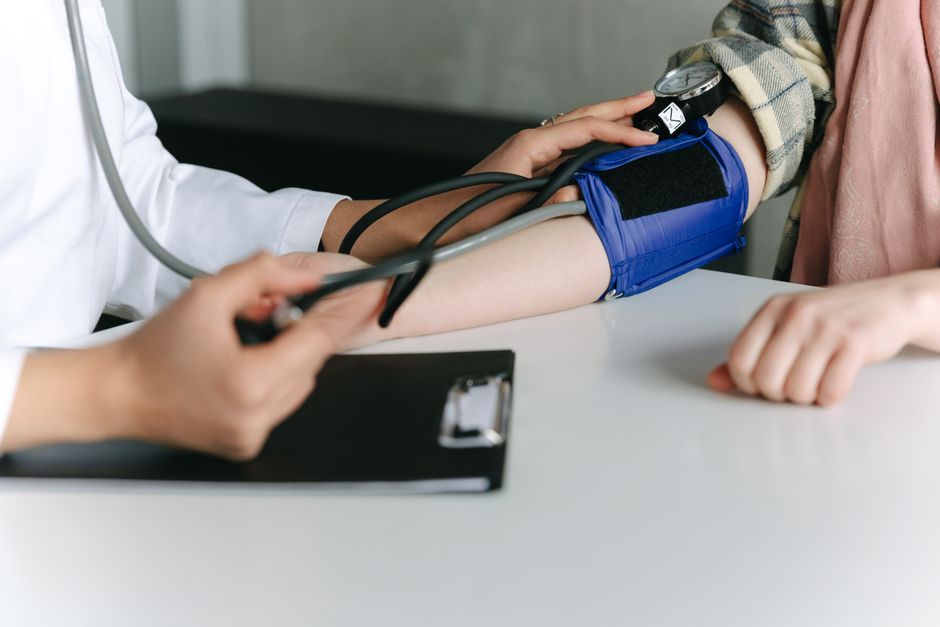
The heart pushes blood through your body. It is a muscle about the size of your fist located slightly left of center in your chest. Every minute of every day your heart beats roughly 60 to 100 times pumping blood through a closed system of blood vessels to deliver oxygen and nutrients to every cell and remove waste products like carbon dioxide.
How Does the Heart Actually Pump Blood?
The heart has four chambers. The two upper chambers are called atria. The two lower chambers are called ventricles. Blood flows through these chambers in a very specific order.
Deoxygenated blood returns from the body and enters the right atrium. It then moves into the right ventricle which pumps it to the lungs. In the lungs blood picks up oxygen and releases carbon dioxide. The now oxygen-rich blood returns to the left atrium then moves into the left ventricle. The left ventricle is the strongest chamber. It squeezes hard and sends blood out through the aorta — the largest artery in the body — to the rest of your organs and tissues.
This entire sequence is one heartbeat. The heart has its own electrical system that controls the timing of these contractions. The sinoatrial node — often called the natural pacemaker — sends an electrical signal that starts each beat. This signal spreads through the heart muscle causing the chambers to contract in the right order.
What Does Research on the Heart and Circulation Show?
The American Heart Association reports that the heart beats about 100,000 times per day. Over an average lifetime that adds up to more than 2.5 billion beats. Each beat pumps about 2.4 ounces of blood. That means the heart moves roughly 2,000 gallons of blood through your body every single day.
Research published in Circulation — a peer-reviewed journal of the American Heart Association — has mapped exactly how blood flow changes during exercise. When you are at rest your heart pumps about 5 liters of blood per minute. During intense exercise that number can increase to 20 or even 30 liters per minute. The heart adapts to meet demand.
Studies have also found that the heart does not work alone. The blood vessels themselves play an active role. Arteries have smooth muscle that can contract or relax to help direct blood flow to areas that need it most. After a meal more blood goes to your digestive system. When you run more blood goes to your leg muscles. This is called autoregulation and it happens without you thinking about it.
What Organ Pushes Blood Through The Body When the Heart Has Problems?
No other organ can fully replace the heart’s pumping function. But the body has backup systems that help maintain circulation when the heart is struggling. The blood vessels themselves can constrict to raise blood pressure and keep blood moving. The kidneys release hormones like renin that help regulate blood pressure and fluid balance.
When the heart is damaged — for example after a heart attack — the remaining healthy heart muscle often works harder to compensate. This is called cardiac remodeling. The heart may enlarge or thicken to pump more forcefully. This helps in the short term but over years it can lead to heart failure.
Some people live with mechanical devices that help push blood through the body. A left ventricular assist device (LVAD) is a battery-powered pump surgically implanted in the chest. It helps the left ventricle push blood out to the aorta. The CDC reports that more than 2,500 LVADs are implanted each year in the United States for people with advanced heart failure.

What Happens When Blood Flow Slows Down or Stops?
When blood flow to an organ is reduced the cells in that organ do not get enough oxygen. Without oxygen cells begin to die within minutes. This is what happens during a heart attack — blood flow to part of the heart muscle itself is blocked. The same thing happens in a stroke when blood flow to part of the brain is blocked.
Signs that blood flow is compromised somewhere in the body include chest pain, shortness of breath, numbness or weakness on one side of the body, sudden vision changes, and difficulty speaking. These are medical emergencies. Call 911 immediately if you or someone near you experiences them.
Peripheral artery disease is another condition where blood flow is reduced usually in the legs. The National Institutes of Health estimates that 8 to 12 million Americans have this condition. It causes leg pain when walking and increases the risk of heart attack and stroke because it signals widespread artery damage.
How Can You Support Healthy Blood Flow?
The same habits that protect your heart also support healthy circulation throughout your body. The evidence for these is strong and consistent across decades of research.
| Factor | How It Helps Blood Flow | What the Evidence Shows |
|---|---|---|
| Regular exercise | Strengthens heart muscle and improves vessel flexibility | 150 minutes of moderate activity per week reduces cardiovascular risk by 30-40% according to the American Heart Association |
| Healthy diet | Reduces plaque buildup in arteries | Diets low in saturated fat and sodium and high in fiber are linked to lower blood pressure |
| Not smoking | Prevents damage to blood vessel walls | Smoking doubles the risk of heart disease and stroke |
| Managing stress | Reduces chronic inflammation and blood pressure spikes | Chronic stress is linked to higher rates of heart disease though the exact mechanism is still being studied |
| Quality sleep | Allows blood pressure to naturally dip overnight | Sleeping less than 6 hours per night is associated with higher cardiovascular risk |
Some people report that supplements like CoQ10, magnesium, or omega-3 fatty acids improve circulation. Evidence for most of these is mixed. Omega-3s from fish oil have the strongest support particularly for lowering triglycerides. But supplements are not a substitute for the lifestyle factors listed above. The best approach is to talk with your doctor about what makes sense for your specific health situation.
Common Misconceptions About the Heart and Circulation
One widespread myth is that the heart is on the left side of your chest. It is actually located in the center of your chest tilted slightly to the left. The sensation of a heartbeat is often felt most strongly on the left side because the left ventricle is the largest and most powerful chamber.
Another common claim is that drinking water immediately thins your blood and improves circulation. This is not accurate. Your kidneys regulate blood volume and composition very carefully. Drinking extra water does not significantly change blood thickness or flow unless you were already dehydrated. Staying hydrated is important for overall health but it does not work like a faucet for your veins.
Some people believe that if you have high blood pressure you can always feel it. This is false. The CDC reports that nearly half of all adults in the United States have high blood pressure and many do not know it because there are no obvious symptoms. The only way to know your blood pressure is to have it measured.
A final misconception is that a slow heart rate always means you are fit and healthy. While athletes often have resting heart rates in the 40s or 50s a very slow heart rate can also be a sign of a problem with the heart’s electrical system. If your heart rate is below 60 and you feel dizzy, tired, or short of breath it is worth discussing with your doctor.
Frequently Asked Questions
What organ pushes blood through the body?
The heart is the organ that pushes blood through the body. It is a muscular pump with four chambers that contracts rhythmically to move blood through the circulatory system.
How much blood does the heart pump each day?
The heart pumps about 2,000 gallons of blood every day. That is roughly 100,000 beats moving approximately 5 liters per minute at rest.
What happens if the heart stops pumping blood?
If the heart stops pumping blood the brain and other organs are starved of oxygen. Without immediate CPR or defibrillation brain damage and death can occur within minutes.
Can exercise strengthen the heart’s pumping ability?
Yes regular exercise strengthens the heart muscle making it a more efficient pump. Over time this can lower resting heart rate and improve blood flow throughout the body.
