
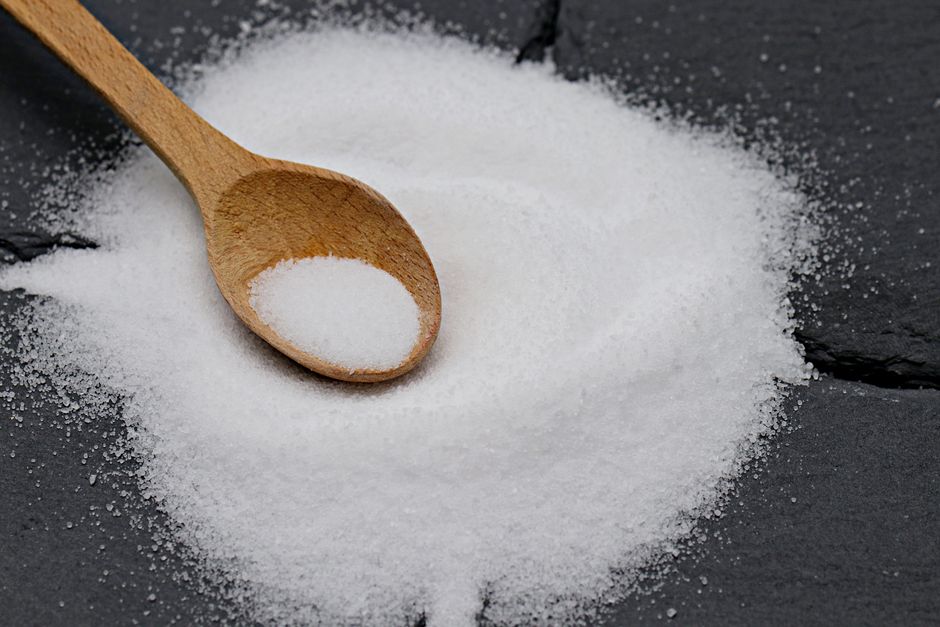
Most health authorities draw the line at 2,300 milligrams of sodium per day for adults. That is about one teaspoon of table salt. The American Heart Association sets a stricter ideal of no more than 1,500 mg daily, especially for people with high blood pressure. The average American eats closer to 3,400 mg a day, so the gap between the recommendation and real life is wide.
Sodium is not a poison. Your body needs some to conduct nerve signals, contract muscles, and balance fluids. The question is where the line falls between enough and too much — and that line is lower than most people assume.
How Much Sodium Is Too Much In A Day?
The 2,300 mg figure comes from the Dietary Guidelines for Americans, which recommend keeping sodium under that limit. The American Heart Association goes further, calling 1,500 mg the ideal target for most adults, and especially for anyone with hypertension, diabetes, or kidney disease.
These are not arbitrary numbers. They trace back to evidence linking higher sodium intake to elevated blood pressure, which in turn raises the risk of heart attack and stroke. The relationship is strongest in people who are salt-sensitive — a group that includes many older adults and a large share of people with existing high blood pressure.
Here is where it gets less clear. The link between sodium and health outcomes is not a straight line for everyone. Some research suggests that very low sodium intake may carry its own risks, though the quality of that evidence is debated and the findings are not consistent. What most major health bodies agree on is that the typical American intake — well above 2,300 mg — is too high.
Where the numbers come from
The 2,300 mg limit is roughly the amount of sodium in about one teaspoon of salt. Salt is sodium chloride, and by weight it is about 40% sodium. So a teaspoon of salt, which weighs around 5,700 mg, delivers about 2,300 mg of actual sodium. That distinction matters because food labels and guidelines talk about sodium, while cooks and recipes talk about salt.
Why Do Sodium Guidelines Differ So Much?
The 1,500 mg and 2,300 mg targets are not in conflict — they reflect different levels of caution. The 2,300 mg limit is a population-wide ceiling meant to keep most people out of the danger zone. The 1,500 mg target is a more protective goal for people at higher cardiovascular risk.
The World Health Organization recommends less than 2,000 mg of sodium per day for adults. So across major health bodies, the range runs from about 1,500 to 2,300 mg. None of them endorse the 3,400 mg the average American actually eats.
Some researchers have questioned whether pushing sodium very low benefits everyone equally. The evidence for aggressive restriction is strongest in people with high blood pressure. In people with normal blood pressure, the picture is more nuanced, though reducing a very high intake is still widely considered beneficial.
What Does 2,300 mg of Sodium Actually Look Like?
It looks like less food than you would guess. The sodium in a single day adds up fast, and most of it does not come from your salt shaker. Roughly 70% of dietary sodium in the US comes from packaged and restaurant food.
| Food | Approximate sodium |
|---|---|
| 1 teaspoon table salt | ~2,300 mg |
| 1 cup canned chicken noodle soup | ~900 mg |
| 1 tablespoon soy sauce | ~900–1,000 mg |
| 1 slice deli turkey (about 2 oz) | ~500–600 mg |
| 1 medium frozen dinner | ~700–1,200 mg |
| 1 small bag of potato chips (1 oz) | ~150–170 mg |
| 1 slice bread | ~120–180 mg |
These are typical ranges, not fixed values — sodium content varies by brand and recipe. Read the label for exact numbers. The pattern is what matters: a can of soup, a deli sandwich, and a frozen dinner can push you past 2,300 mg before you sit down to a home-cooked dinner.





How Do You Know If You’re Getting Too Much Sodium?
You usually cannot feel it. High sodium intake rarely produces obvious symptoms in the short term. The main harm is gradual — it nudges blood pressure upward over months and years, quietly raising the risk of heart disease, stroke, and kidney problems.
The one reliable way to know where you stand is to check your blood pressure and read food labels. A single high-sodium meal can cause a temporary bump in blood pressure and some fluid retention in sensitive people, but the lasting effects build over time.
Some people notice bloating or mild swelling after a salty meal. That is real but temporary. It is not a reliable signal of how much sodium you eat day to day.
Who Needs to Watch Sodium Most Closely?
People with high blood pressure top the list. Reducing sodium intake has been shown to lower blood pressure in many people with hypertension, and the effect can be meaningful. The American Heart Association recommends the 1,500 mg target specifically for people with high blood pressure.
Other groups advised to keep sodium lower include:
- People with heart failure, where excess sodium can worsen fluid buildup
- People with chronic kidney disease, whose kidneys struggle to regulate sodium balance
- Older adults, who tend to be more salt-sensitive
- Black adults, who have higher rates of salt sensitivity and hypertension
- People with diabetes, which raises cardiovascular risk
If you fall into one of these groups, the 1,500 mg target is the one most clinicians would point to. For everyone else, staying under 2,300 mg is the widely accepted goal.
Does Cutting Sodium Actually Lower Blood Pressure?
Yes, for many people — but the size of the effect varies. Research consistently shows that reducing sodium lowers blood pressure on average, with the largest drops in people who are salt-sensitive or already have hypertension. The effect in people with normal blood pressure tends to be smaller.
Salt sensitivity is the key variable. Some people’s blood pressure responds strongly to sodium; others barely budge. Roughly a third to half of people with hypertension are thought to be salt-sensitive, and the trait becomes more common with age. There is no simple routine test for salt sensitivity, which is part of why blanket guidelines exist rather than individualized ones.
One clarification worth keeping in mind: cutting sodium is not the same as cutting salt from the shaker. Because most sodium comes from processed food, the most effective change is usually swapping packaged and restaurant meals for home-cooked food, not just putting down the salt shaker.
How Can You Reduce Sodium Without Losing Flavor?
Cook more at home and you take back control. When you prepare food yourself, you decide how much salt goes in — and you can lean on other flavors instead.
Practical steps that make a real difference:
- Read labels and compare — sodium varies widely between brands of the same food
- Choose “no salt added” or “low sodium” versions of canned beans, vegetables, and broth
- Rinse canned beans and vegetables, which removes some surface sodium
- Use acids like lemon and vinegar, plus herbs, spices, and garlic, to build flavor
- Watch portion sizes on condiments — soy sauce, salad dressing, and ketchup add up fast
- Ask for sauces and dressings on the side when eating out
Your taste for salt adjusts. People who cut back often find that foods they once considered normal taste too salty within a few weeks. That shift is real and makes the change easier to sustain.
One caution: salt substitutes often replace sodium with potassium. That is fine for many people, but potassium can be dangerous for people with kidney disease or those taking certain blood pressure and heart medications. Talk to a clinician before using a salt substitute if you have kidney problems or take prescription medication.
Is Very Low Sodium Ever a Problem?
It can be, in specific situations. Sodium is essential for normal body function, and true sodium deficiency — called hyponatremia — is a real medical condition. It most often results from medical causes, certain medications, or drinking extreme amounts of water, rather than from eating too little salt.
Some observational studies have reported higher health risks at very low sodium intakes, but this research is contested. Measuring sodium intake accurately is difficult, and some of these findings may reflect illness rather than cause it. The evidence does not support deliberately pushing sodium extremely low for the general population.
The practical takeaway is balance. For most adults, the concern is too much sodium, not too little. The target range of 1,500 to 2,300 mg a day leaves plenty of room for the sodium your body needs.
Frequently Asked Questions
How much sodium is too much in a day?
For most adults, more than 2,300 mg of sodium a day is considered too much. The American Heart Association sets a stricter ideal of 1,500 mg for people with high blood pressure or higher heart risk.
Is 2,000 mg of sodium a day too much?
No. At 2,000 mg you are under the 2,300 mg limit and close to the World Health Organization’s recommendation of less than 2,000 mg daily. It sits comfortably within the range major health bodies consider acceptable.
How many teaspoons of salt is 2,300 mg of sodium?
About one teaspoon of table salt. Salt is roughly 40% sodium by weight, so a teaspoon delivering around 2,300 mg of sodium is the daily ceiling most guidelines point to.
What happens if you eat too much sodium every day?
Over time, consistently high sodium intake tends to raise blood pressure, which increases the risk of heart disease, stroke, and kidney problems. The effects build gradually and often produce no obvious symptoms until damage has occurred.
