
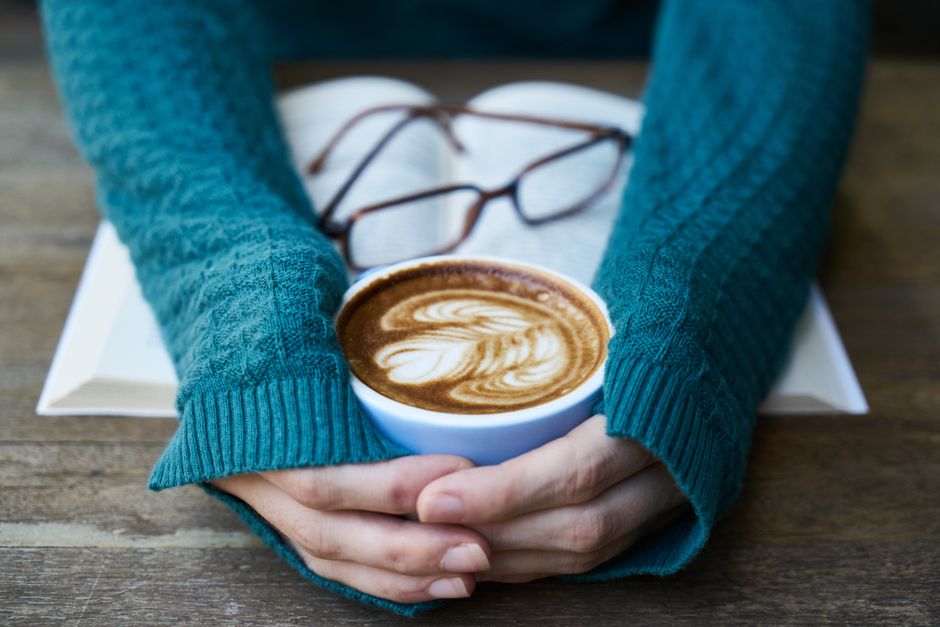
A single 8-ounce cappuccino contains about 150 milligrams of caffeine. This is the standard amount for a coffee-shop cappuccino made with one or two shots of espresso. The exact number depends on the beans, the roast, and how many espresso shots the barista uses. A single-shot cappuccino has roughly 75 mg of caffeine, while a double-shot version has around 150 mg. Most coffee shops serve the double-shot as their standard size.
How Much Caffeine In A Cappuccino Compared To Other Coffee Drinks?
A cappuccino has roughly the same caffeine as a latte or an Americano because all three are espresso-based drinks. The difference is in the milk and foam, not the coffee. A standard 8-ounce cappuccino and a standard 8-ounce latte both contain about 150 mg of caffeine. A drip coffee of the same size typically has more—around 165 mg per 8 ounces. The USDA reports that brewed coffee averages 95 mg per 8 ounces, but that number is low for most coffee shop drip brews which often use more coffee grounds per cup.
Here is a quick comparison of caffeine in common coffee drinks at 8 ounces:
| Drink | Caffeine (mg) |
|---|---|
| Drip coffee (average) | 95-165 |
| Cappuccino (double shot) | 150 |
| Latte (double shot) | 150 |
| Americano (double shot) | 150 |
| Espresso (1 shot) | 75 |
| Instant coffee | 60-80 |
The key takeaway is that a cappuccino is not a low-caffeine drink. It is a standard espresso drink with a normal amount of caffeine. If you are sensitive to caffeine, a single-shot cappuccino is a better choice.
Does The Type Of Coffee Bean Change The Caffeine Content?
Yes, the bean type matters. Robusta beans have about twice the caffeine of Arabica beans. Most specialty coffee shops use Arabica beans, which have roughly 1.5% caffeine by weight. Robusta beans have about 2.7% caffeine by weight. If your cappuccino is made with a blend that includes Robusta, the caffeine content can be significantly higher. Some commercial coffee chains use Robusta in their espresso blends because it is cheaper and produces more crema. The caffeine difference between a pure Arabica double-shot and a Robusta-heavy double-shot can be as much as 50 mg.
Roast level also plays a role, though not in the way most people think. Light roasts retain slightly more caffeine than dark roasts because the roasting process breaks down some caffeine. The difference is small—roughly 5-10%—and most drinkers will not notice it. The bigger factor is how much coffee the barista uses per shot. A well-pulled espresso shot uses a consistent dose of ground coffee, typically 7-9 grams for a single and 14-18 grams for a double. If the barista uses a heavier dose, the caffeine goes up.
What Affects The Caffeine In A Cappuccino At Different Coffee Shops?
The biggest variable is how many espresso shots are in your cup. A standard cappuccino from Starbucks uses two shots for a short (8 oz) or tall (12 oz) size. A grande (16 oz) cappuccino at Starbucks also uses two shots, but a venti (20 oz) hot cappuccino uses three shots. That means a venti cappuccino from Starbucks has about 225 mg of caffeine. Dunkin’ uses a single shot for their small cappuccino and two shots for their medium and large. Chain coffee shops have standardized recipes, but independent shops vary widely.
Some coffee shops serve a “double” as standard, meaning every cappuccino gets two shots unless you ask for a single. Others default to a single shot for small sizes. The only way to know for sure is to ask. Baristas are usually happy to tell you how many shots are in each size. You can also request a single-shot cappuccino if you want less caffeine. Most shops will accommodate this without an issue.


How Much Caffeine Is Safe Per Day?
The FDA states that 400 mg of caffeine per day is not associated with negative health effects for most healthy adults. That is roughly two to three 8-ounce cappuccinos. Pregnant women are advised to keep intake under 200 mg per day, according to the American College of Obstetricians and Gynecologists. People with anxiety disorders, high blood pressure, or certain heart conditions may need to limit their intake further. Caffeine affects everyone differently, and tolerance varies widely.
Symptoms of too much caffeine include restlessness, insomnia, rapid heart rate, and digestive upset. If you experience these after a cappuccino, you may be sensitive to caffeine. Some people can metabolize caffeine quickly and feel no effects from 300 mg. Others feel jittery after a single 75 mg shot. Pay attention to how your body responds rather than following a generic number.
Does Milk In A Cappuccino Change How Caffeine Affects You?
The milk does not change the caffeine content, but it can change how quickly the caffeine is absorbed. Milk contains fat and protein, which slow stomach emptying. This means the caffeine from a cappuccino enters your bloodstream slightly more gradually than the same amount of caffeine from black espresso. The difference is small and likely not noticeable for most people. If you drink a cappuccino on an empty stomach, you will still feel the caffeine within 15-30 minutes.
Some people report that milk-based coffee drinks cause less stomach irritation than black coffee. This is likely because the milk buffers the acidity of the coffee. The caffeine itself is the same. If you are trying to reduce caffeine intake, switching from a cappuccino to a latte does not help—they have the same espresso content. The only way to lower caffeine is to use fewer shots of espresso or choose decaf.
Common Misconceptions About Caffeine In Cappuccinos
One myth is that a cappuccino has less caffeine than a latte because it has more foam. The foam is just air and milk—it does not dilute the espresso. A cappuccino and a latte made with the same number of espresso shots have identical caffeine. Another misconception is that darker roasts have more caffeine. Dark roasts actually lose a small amount of caffeine during roasting. The difference is minor and should not guide your choice.
Some people also believe that instant cappuccino packets are low in caffeine. These packets typically contain instant coffee, sugar, and powdered milk. The caffeine content is usually 30-60 mg per serving—about half of a coffee shop cappuccino. Check the label if you are counting caffeine. The word “cappuccino” on a packet does not mean it matches the caffeine content of a fresh espresso drink.
Frequently Asked Questions
How much caffeine is in an 8 oz cappuccino from Starbucks?
An 8 oz Starbucks cappuccino contains 150 mg of caffeine because it uses two shots of espresso.
Does a cappuccino have more caffeine than coffee?
A cappuccino has slightly less caffeine than drip coffee of the same size, with 150 mg versus 165 mg respectively.
Can I get a single-shot cappuccino to lower caffeine?
Yes, most coffee shops will make a single-shot cappuccino if you ask, which cuts the caffeine to about 75 mg.
Is a cappuccino high in caffeine?
A cappuccino is moderate in caffeine, containing about 150 mg per 8 ounces, which is similar to a latte or Americano.
