
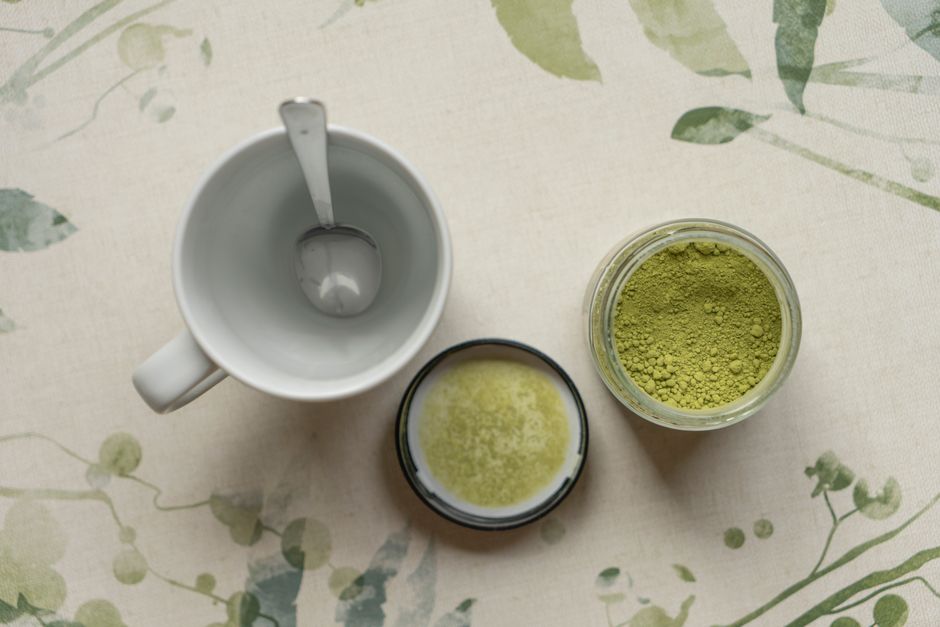
Green tea has less caffeine than coffee, but more than herbal tea. An 8-ounce cup of brewed green tea typically contains between 25 and 45 milligrams of caffeine. The exact number depends on the type of green tea, how it is prepared, and the brand. For comparison, an 8-ounce cup of brewed coffee usually has 95 to 200 milligrams of caffeine. A cup of black tea falls in the middle, with about 40 to 70 milligrams. So green tea is a moderate caffeine choice, not a caffeine-free one.
How Much Caffeine Does Green Tea Have Compared to Coffee?
The difference is large. A standard cup of coffee has three to four times more caffeine than a typical cup of green tea. If you drink one 8-ounce cup of coffee, you get roughly the same amount of caffeine as three to four cups of green tea.
This matters for people who are sensitive to caffeine. Switching from coffee to green tea can reduce your total daily caffeine intake significantly. But it will not eliminate it. The American Academy of Sleep Medicine notes that caffeine can affect sleep for up to six hours after consumption. Even the lower dose in green tea can be enough to disrupt sleep for some people if they drink it late in the day.
One more thing worth knowing. The caffeine in green tea interacts with an amino acid called L-theanine. L-theanine is found naturally in tea leaves. Some studies suggest that L-theanine can promote a calm, focused state of mind. This combination may explain why green tea feels different from coffee even at lower caffeine levels. Coffee gives a sharper spike in energy. Green tea tends to provide a steadier, milder alertness.
What Factors Affect the Caffeine Content in Green Tea?
Not all green tea is the same. The caffeine level changes based on several things. The first is the tea plant variety. Younger leaves and buds contain more caffeine than older leaves. This is because the plant uses caffeine as a natural pesticide. Young leaves are more vulnerable to insects, so they produce more caffeine to protect themselves.
The second factor is how the tea is processed. Green tea is steamed or pan-fired to stop oxidation. This process does not remove caffeine. But different processing methods can affect how much caffeine ends up in your cup. Matcha is a good example. Matcha is made from whole ground tea leaves. Because you consume the entire leaf, a cup of matcha can contain 60 to 80 milligrams of caffeine — nearly double the amount in a standard cup of brewed green tea.
Brewing time and water temperature also matter. The longer you steep green tea, the more caffeine extracts into the water. Hotter water also pulls out more caffeine. The table below shows how brewing changes the numbers.
| Brewing Method | Water Temperature | Steep Time | Estimated Caffeine (8 oz) |
|---|---|---|---|
| Quick steep | 160°F (71°C) | 1 minute | 15-25 mg |
| Standard brew | 175°F (80°C) | 2-3 minutes | 25-45 mg |
| Long steep | 190°F (88°C) | 5 minutes | 40-60 mg |
| Matcha (whisked) | 175°F (80°C) | N/A | 60-80 mg |
Does the Type of Green Tea Change the Caffeine Level?
Yes. Different varieties of green tea have different caffeine contents. This is not widely known. Many people assume all green tea is the same. It is not.
Sencha, the most common Japanese green tea, usually has about 20 to 30 milligrams of caffeine per cup. Gyokuro, a shade-grown Japanese tea, can have 35 to 40 milligrams. The shading process forces the plant to produce more caffeine. Matcha, as mentioned, is much higher because you consume the ground leaf.
Chinese green teas like Longjing (Dragon Well) and Biluochun typically fall in the middle range of 25 to 35 milligrams per cup. Decaffeinated green tea exists, but it is not caffeine-free. The USDA reports that decaffeinated green tea still contains about 2 to 5 milligrams per cup. That is a small amount, but it is not zero.
If you are trying to lower your caffeine intake, look for teas made from older leaves or teas that are not shade-grown. Some people report that second or third infusions of the same leaves have much less caffeine than the first. This is true. The first steep extracts most of the caffeine.


How Much Caffeine Does Green Tea Have in Bottled and Powdered Forms?
Bottled green tea is a different story. Most bottled green teas found in grocery stores have very little caffeine. Many brands contain 5 to 15 milligrams per 8-ounce serving. The reason is that bottled teas are often diluted with water and sweeteners. They are not as strong as freshly brewed tea.
But check the label. Some bottled green teas are concentrated or have added green tea extract. These can have much higher caffeine levels. A few brands sell “supercharged” green teas that contain 50 to 100 milligrams per bottle. That is comparable to a cup of coffee. The label is the only reliable source for this information.
Powdered green tea, including matcha, is a different category. As mentioned, matcha is high in caffeine. But there are also powdered green tea mixes that contain added sugar, milk powder, and other ingredients. These are not pure green tea. Their caffeine content depends entirely on how much actual tea powder is in the mix. Some have very little. Others have as much as a standard cup of brewed tea.
One more thing. Green tea extract supplements are not the same as drinking tea. These supplements are concentrated. The FDA does not strictly regulate them. Some contain very high doses of caffeine. A single capsule can have 100 to 200 milligrams of caffeine. That is a lot for people who are not expecting it. Always read the supplement facts panel.
What Are the Health Implications of Caffeine in Green Tea?
For most healthy adults, up to 400 milligrams of caffeine per day is considered safe by the FDA. That is roughly eight to ten cups of green tea. Most people do not drink that much. So for the average person, the caffeine in green tea is not a concern.
But some people are more sensitive. The FDA advises that pregnant women limit caffeine to 200 milligrams per day. That is about four to five cups of green tea. People with anxiety disorders or heart conditions should also be cautious. The American Heart Association notes that caffeine can raise heart rate and blood pressure in sensitive individuals.
Here is a quick list of practical tips for managing caffeine from green tea:
- If you are sensitive to caffeine, brew green tea for one minute instead of three.
- Use water at 160°F to 170°F instead of boiling water.
- Choose sencha or other low-caffeine varieties over matcha or gyokuro.
- Drink your green tea earlier in the day. Caffeine can stay in your system for hours.
- If you are pregnant or have a medical condition, talk to your doctor before changing your caffeine intake.
One clarification that matters. Some health claims about green tea are overstated. You may have heard that green tea “burns fat” or “cures cancer.” The evidence for these claims is weak. Research published in the Cochrane Database of Systematic Reviews found that green tea has a small effect on weight loss — about one to two pounds over 12 weeks. That is real but modest. The caffeine in green tea may contribute a tiny boost to metabolism, but it is not a weight loss solution on its own.
Common Misconceptions About Caffeine in Green Tea
There are several myths about green tea and caffeine that need clearing up. The first is that green tea is naturally caffeine-free. It is not. All tea made from the Camellia sinensis plant contains caffeine. That includes green, black, white, and oolong teas. Herbal teas like chamomile or peppermint are different. They are not made from the tea plant and are naturally caffeine-free.
The second myth is that white tea has less caffeine than green tea. This is widely claimed, but strong evidence is limited. Some studies suggest that white tea can have a similar or even higher caffeine content than green tea. The difference depends on the specific leaves used and how the tea is processed. Do not assume white tea is the low-caffeine option.
The third myth is that decaffeinated green tea is completely caffeine-free. As mentioned, it still contains trace amounts. If you need to avoid caffeine entirely for medical reasons, do not rely on decaffeinated tea. Stick to herbal infusions instead.
The fourth myth is that green tea can counteract the effects of alcohol. This is not true. Caffeine does not speed up alcohol metabolism. The FDA and the National Institute on Alcohol Abuse and Alcoholism both warn that mixing caffeine with alcohol can mask how intoxicated you feel. This can lead to drinking more than is safe.
Frequently Asked Questions
Does green tea have more caffeine than black tea?
No. Black tea typically has 40 to 70 milligrams of caffeine per cup, while green tea has 25 to 45 milligrams. Black tea is higher.
Is matcha green tea high in caffeine?
Yes. Matcha contains 60 to 80 milligrams of caffeine per cup because you consume the whole ground tea leaf. That is about twice the amount in regular brewed green tea.
Can you remove caffeine from green tea at home?
Partially. Steeping green tea for 30 seconds, pouring out the water, and then re-steeping removes about 50 percent of the caffeine. But it also removes some flavor and antioxidants.
How much green tea is safe to drink per day?
For most healthy adults, up to 8 to 10 cups per day is safe. Pregnant women should limit intake to 4 to 5 cups. Individual tolerance varies, so listen to your body.
