
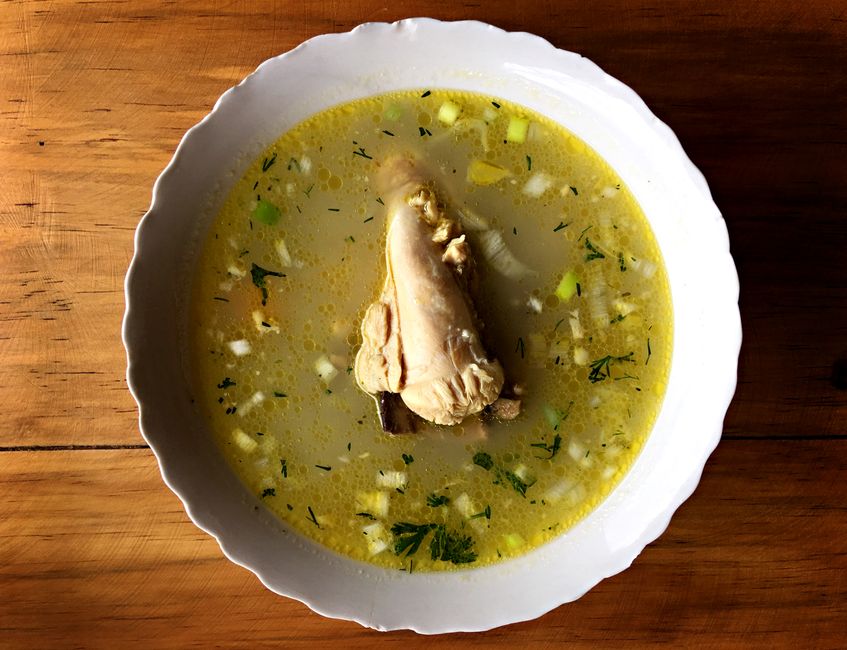
Bone broth has become one of the most talked-about foods in the wellness world, often praised as a protein powerhouse. But the actual protein content is usually far lower than most people expect. A typical cup of homemade bone broth contains roughly 6 to 12 grams of protein, while most store-bought cartons contain only 1 to 3 grams per cup. That gap between perception and reality matters if you are counting on broth to meet your daily protein needs.
How Much Protein Is In Bone Broth?
Protein in bone broth varies widely depending on how it is made, what parts of the animal are used, and how long it simmers. There is no standard amount because there is no standard recipe.
Homemade broth made with a generous ratio of bones to water and simmered for many hours tends to land in the range of 6 to 12 grams of protein per cup. Broth made quickly, or with mostly meat and few bones, often contains less. A very dilute batch might have only 3 or 4 grams per cup.
Store-bought bone broth is a different story. Many popular cartons and boxes contain 1 to 3 grams of protein per cup. Some concentrated or “sipping” broths advertise higher numbers, but those often add extra protein from sources like collagen peptides or whey, not from the bones themselves. Reading the nutrition label is the only reliable way to know what you are getting.
For comparison, a cup of chicken breast contains about 43 grams of protein. A cup of bone broth, even a rich homemade batch, delivers a small fraction of that.
Why Is Bone Broth Lower In Protein Than People Think?
Bones are mostly mineral and connective tissue, not muscle. The protein that does leach out during simmering is primarily collagen and gelatin, which dissolve slowly into the water.
Collagen is a structural protein. It makes up skin, tendons, ligaments, and the matrix of bone. When you simmer bones, heat and time break collagen down into smaller peptides and gelatin. That is why cooled broth turns to jelly. But the total amount that transfers into the liquid is modest.
Muscle meat releases protein far more readily. Bones do not. This is basic food chemistry, not a flaw in your recipe. Even a long simmer has limits on how much collagen can dissolve into a given volume of water.
Another factor is dilution. Most recipes call for a lot of water relative to bones. The more water you add, the lower the protein concentration per cup. A thick, gelatinous broth signals more collagen, but gelatin content and total protein are not the same thing.
Does Bone Broth Protein Count As Complete Protein?
No. Bone broth protein is incomplete. It lacks adequate amounts of several essential amino acids, particularly tryptophan and cysteine.
Complete proteins contain all nine essential amino acids in amounts the body can use efficiently. Eggs, dairy, meat, fish, soy, and quinoa are complete proteins. Collagen and gelatin are not. They are rich in glycine, proline, and hydroxyproline but low in others.
This does not make bone broth useless. It simply means it cannot substitute for a complete protein source. If you rely on bone broth as your main protein, you will fall short on key amino acids your body needs for muscle repair, immune function, and enzyme production.
Some people combine bone broth with other protein foods to fill the gap. That works. But the broth itself is not doing the heavy lifting.





How Does Homemade Bone Broth Compare To Store-Bought?
Homemade broth usually wins on protein content, but not always. It depends on your method.
Here is a general comparison based on typical products and common recipes:
| Type | Protein Per Cup (approximate) |
|---|---|
| Homemade bone broth (rich, long-simmered) | 6–12 grams |
| Homemade bone broth (quick or diluted) | 3–6 grams |
| Store-bought bone broth (most cartons) | 1–3 grams |
| Store-bought broth with added collagen peptides | 8–20 grams |
| Regular chicken stock or broth | 1–2 grams |
Notice that regular stock and bone broth are not that far apart in protein unless the bone broth is carefully made or fortified. The main difference between stock and bone broth is simmer time and bone ratio, not a dramatic protein gap.
If you are buying bone broth for protein, check the label. Some brands add collagen peptides or other protein isolates to boost the number. That is not the same as protein naturally extracted from bones, though your body will still use those amino acids.
Can Bone Broth Help You Meet Your Daily Protein Needs?
Bone broth can contribute to your protein intake, but it cannot carry it. Most adults need roughly 0.8 grams of protein per kilogram of body weight per day for basic health, according to established dietary guidelines. That is about 54 grams per day for a 150-pound person.
If a cup of your broth has 8 grams, you would need nearly seven cups to hit that target from broth alone. That is not realistic or advisable. Broth is mostly water and lacks the full amino acid profile your body needs.
Where bone broth fits well is as a supplement to an already adequate diet. It adds some protein, provides fluids, and contributes minerals like calcium and magnesium in small amounts. It is not a protein staple.
Some people find broth soothing and easy to consume when appetite is low. That has value. But do not mistake comfort for protein density.
What About Collagen Peptides Added To Bone Broth?
Many commercial bone broths now add collagen peptides to boost the protein number on the label. This is a marketing response to consumer demand for higher protein, not a reflection of what bones naturally release.
Collagen peptides are made by hydrolyzing collagen from animal hides, bones, or fish scales. They dissolve easily in liquid and are well absorbed. A scoop of collagen peptides can add 10 to 20 grams of protein to a cup of broth.
That added protein is still incomplete. Collagen peptides lack tryptophan, so they cannot stand alone as a protein source. But they do provide glycine and proline, which some research suggests may support skin elasticity and joint comfort. The evidence for those benefits is mixed and ongoing.
If you want the protein, added collagen works. Just understand that you are drinking a fortified product, not a naturally protein-rich broth.
Does Bone Broth Have Other Nutrients Worth Noting?
Protein is not the only thing in bone broth. It also contains small amounts of minerals and other compounds that leach from bones and connective tissue during simmering.
Calcium, magnesium, phosphorus, and potassium are present in varying amounts. The exact levels depend on the bones used, the acidity of the water (some recipes add vinegar), and simmer time. These amounts are generally modest compared to what you would get from dairy, leafy greens, or legumes.
Bone broth also contains glycosaminoglycans, which are compounds found in cartilage and connective tissue. Some people believe these support joint health. Research in humans is limited, and most claims rest on animal studies or traditional use rather than large clinical trials.
Glutamine, an amino acid, is present in bone broth. It is often mentioned for gut health. While glutamine does fuel intestinal cells, the amount in a cup of broth is not well established and likely lower than what is used in clinical settings.
Frequently Asked Questions
How much protein is in a cup of bone broth?
A typical cup of homemade bone broth contains about 6 to 12 grams of protein, while most store-bought cartons contain only 1 to 3 grams. The exact amount depends on the recipe, bone-to-water ratio, and simmer time.
Is bone broth a good source of protein?
It is a modest source at best. The protein is incomplete and lacks key amino acids, so it cannot replace meat, eggs, dairy, or soy as a primary protein source.
Does bone broth have more protein than regular broth?
Usually yes, but not by a large margin unless it is fortified. Regular chicken broth has about 1 to 2 grams per cup, while bone broth may have 6 to 12 grams if made richly.
Can I drink bone broth to build muscle?
No. Bone broth protein is incomplete and too low in concentration to support muscle growth on its own. Muscle building requires adequate complete protein from foods like meat, fish, eggs, or dairy.
