
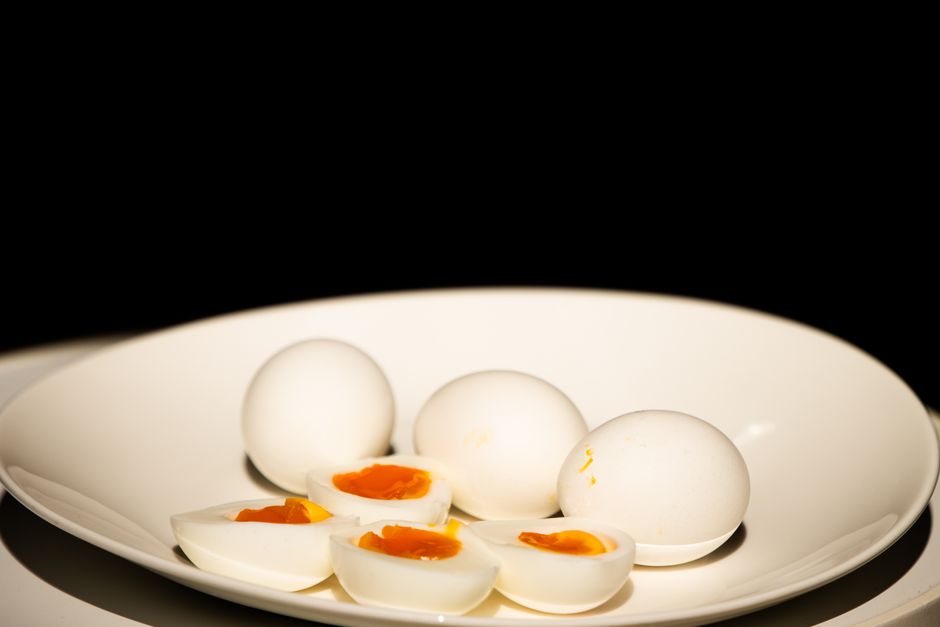
A boiled egg is one of the most straightforward sources of high-quality protein you can eat. A single large boiled egg contains about 6 grams of protein. That number is consistent whether the egg is hard-boiled or soft-boiled, because cooking method does not change the protein content.
How Much Protein Is in a Boiled Egg Exactly?
A large boiled egg provides roughly 6 grams of protein. The exact amount depends on the size of the egg. A medium egg has about 5 grams, while an extra-large egg can reach 7 grams.
The protein is split between two parts. The egg white contains about 3.6 grams, and the yolk contains about 2.7 grams. Many people assume the white holds all the protein, but the yolk carries a substantial share.
If you eat only egg whites to cut calories or cholesterol, you lose nearly half the total protein. The yolk also contains most of the egg’s vitamins and minerals, including vitamin D, choline, and iron.
Why Boiled Eggs Are a High-Quality Protein Source
Protein quality is not just about how many grams you eat. It also depends on how well your body can use that protein. Eggs score at the top of nearly every protein quality scale used by nutrition researchers.
The body uses egg protein efficiently for muscle repair and maintenance. This matters more as you age. Starting around age 40, adults gradually lose muscle mass unless they consume enough protein and stay active. A boiled egg is a convenient way to add high-quality protein to any meal.
Eggs contain all nine essential amino acids. Your body cannot make these on its own, so you must get them from food. Few foods deliver this complete amino acid profile as cheaply or as easily as an egg.
How Boiling Affects Protein Absorption
Cooking changes how much protein your body can actually use. Raw egg protein is only about 51 percent digestible. Cooked egg protein is about 91 percent digestible. That is a significant difference.
Boiling denatures the protein, meaning it unfolds the protein strands. This unfolding makes it easier for digestive enzymes to break the protein down into amino acids. Your body then absorbs those amino acids into the bloodstream.
Boiled eggs are also safe from the food safety concerns that come with raw or undercooked eggs. The risk of Salmonella contamination is effectively eliminated when eggs are cooked until both the white and yolk are firm.
Hard-boiled and soft-boiled eggs differ in cooking time but not in protein content. A soft-boiled egg with a runny yolk still contains the same 6 grams of protein as a fully hard-boiled egg.





Boiled Egg Protein Compared to Other Foods
Protein comparisons help put the boiled egg in context. The 6 grams in one egg may sound modest compared to a chicken breast, but eggs earn their place through versatility and portion control.
| Food | Approximate Protein |
|---|---|
| 1 large boiled egg | 6 grams |
| 3 ounces cooked chicken breast | 26 grams |
| 1 cup cooked lentils | 18 grams |
| 1 cup Greek yogurt | 20 grams |
| 2 tablespoons peanut butter | 7 grams |
Two boiled eggs deliver 12 grams of protein for roughly 140 calories. That is a favorable protein-to-calorie ratio for most people watching their weight or building muscle.
Eggs are also one of the least expensive protein sources per gram. This makes them practical for people on a budget who still want complete, high-quality protein.
How Many Boiled Eggs Should You Eat for Protein?
The answer depends on your total daily protein needs. The general recommendation for healthy adults is about 0.8 grams of protein per kilogram of body weight. For a 150-pound person, that equals roughly 55 grams per day.
Athletes and older adults often need more. Research suggests that people over 60 may benefit from 1.0 to 1.2 grams per kilogram to slow muscle loss. Active individuals training regularly may need even higher amounts.
No clinical guidelines currently exist that specify an exact number of eggs to eat daily. The evidence does show that eating up to one egg per day is not linked to heart disease risk for most healthy people. Some people eat two or three eggs daily without issues, but individual cholesterol response varies.
If your goal is simply to increase protein intake, two boiled eggs make a solid snack or breakfast addition. They provide 12 grams of protein plus healthy fats and no carbohydrates.
Do Boiled Eggs Help With Weight Management?
Protein is the most satiating macronutrient. It keeps you feeling full longer than carbohydrates or fat. Eggs are particularly effective at this because of their protein and fat combination.
Some studies indicate that starting the day with eggs reduces calorie intake at later meals. The mechanism is straightforward: protein triggers hormones that signal fullness to the brain, and it slows stomach emptying.
Boiled eggs are portable and require no preparation once cooked. You can boil a batch at the start of the week and have a protein source ready for several days. This convenience often makes it easier to stick to a higher-protein eating pattern.
Common Myths About Egg Protein
One persistent myth is that brown eggs have more protein than white eggs. Shell color is determined by the hen’s breed and has zero effect on nutritional content. A brown egg and a white egg of the same size contain identical protein.
Another myth claims that eating eggs raw provides more protein. The opposite is true. Raw eggs are less digestible, meaning your body absorbs less protein from them. There is also a small risk of bacterial contamination with raw eggs.
Some people believe that egg whites are the only part worth eating for protein. As noted earlier, the yolk contains about 45 percent of the egg’s protein. Discarding yolks wastes a significant portion of the protein along with most of the vitamins.
Free-range or pasture-raised eggs sometimes cost more, but the protein content is essentially the same as conventional eggs. The differences appear in certain fat-soluble vitamins and omega-3 fatty acids, not in protein levels.
Practical Tips for Adding Boiled Eggs to Your Diet
Boiled eggs keep well in the refrigerator for up to seven days. Keeping the shell on until you are ready to eat helps prevent the egg from absorbing refrigerator odors.
Peeling is easier if you cool the eggs in an ice bath immediately after boiling. This stops the cooking process and helps the shell separate from the white.
For a quick meal, pair boiled eggs with vegetables, whole grains, or fruit. This creates a more balanced plate than eggs alone, adding fiber and additional nutrients.
If you are watching your sodium intake, avoid adding salt. Use black pepper, paprika, or a small amount of hot sauce instead. The egg itself contains very little sodium naturally.
Frequently Asked Questions
How many grams of protein are in one boiled egg?
One large boiled egg contains about 6 grams of protein. The egg white provides roughly 3.6 grams and the yolk provides about 2.7 grams.
Is boiled egg protein better than fried egg protein?
The protein content is the same whether you boil or fry an egg. Boiling adds no extra fat or calories, while frying in butter or oil adds both.
Can I eat boiled eggs every day for protein?
Yes, most healthy adults can eat one egg daily without concerns about heart health. Individual cholesterol responses vary, so people with known heart conditions should follow their doctor’s advice.
Do I lose protein if I only eat the egg white?
Yes, you lose about 45 percent of the protein. The yolk contains nearly half the egg’s protein along with most of its vitamins and minerals.
