
Most healthy adults need somewhere between 0.8 and 1.6 grams of protein per kilogram of body weight each day, depending on age, activity level, and health status. The official Recommended Dietary Allowance is 0.8 grams per kilogram for sedentary adults. People who lift weights regularly, are over 65, are pregnant, or are recovering from illness often need more. The way to know your own number is to start with your body weight, apply the right multiplier for your situation, and check whether your typical meals actually add up to it.
What Is the Official Protein Recommendation?
The RDA of 0.8 grams of protein per kilogram of body weight per day is set by the Food and Nutrition Board of the National Academies. It represents the minimum amount needed to prevent deficiency in most healthy, sedentary adults. It is not a target for optimal health, and it is not designed for athletes, older adults, or people recovering from surgery or illness.
To use it, convert your weight to kilograms by dividing pounds by 2.2. A 150-pound adult weighs about 68 kilograms. At 0.8 g/kg, that is roughly 54 grams of protein per day. That is the floor, not the ceiling.
For context, 54 grams looks like this: one egg (about 6 grams), a cup of Greek yogurt (roughly 20 grams), a 3-ounce chicken breast (about 26 grams). Three modest servings and you are there. Most Americans already exceed the RDA without trying.
How Do You Calculate Your Personal Protein Target?
Start with your weight in kilograms. Then pick a multiplier that matches your life. The multipliers below reflect ranges commonly cited in sports nutrition and geriatric research, not a single official guideline.
- Sedentary adult: 0.8 g/kg (the RDA)
- Recreationally active adult: 1.0 to 1.2 g/kg
- Regular strength training: 1.4 to 1.6 g/kg
- Endurance athlete: 1.2 to 1.6 g/kg
- Adults over 65: 1.0 to 1.2 g/kg, with some researchers arguing higher
- Pregnant or breastfeeding: consult your clinician; needs rise but vary by trimester and milk production
A 180-pound person who lifts three times a week weighs about 82 kilograms. At 1.5 g/kg, that is roughly 123 grams per day. A 180-pound sedentary office worker at 0.8 g/kg needs about 65 grams. Same body, nearly double the protein, because the demands differ.
Why Does Body Weight Alone Not Tell the Whole Story?
Body weight includes fat, and fat does not need protein the way muscle does. If you carry a lot of excess fat, calculating from total weight can overshoot. Some clinicians use lean body mass instead, but that requires a measurement most people do not have at home.
A practical compromise: if your BMI is 30 or higher, use an adjusted body weight. Multiply your ideal body weight by 0.25 and add it to your actual weight, then divide by 2. This is an estimate, not a precise formula, but it lands closer than raw weight for many people.
The other variable is age. Muscle protein synthesis — the process by which your body builds new muscle from dietary protein — becomes less efficient with age. This is sometimes called anabolic resistance. It means an older adult may need more protein than a younger adult to get the same muscle-building response. That is why the 1.0 to 1.2 g/kg range appears in geriatric nutrition literature for healthy older adults.



Does Protein Timing Matter as Much as Total Amount?
Total daily protein matters more than timing for most outcomes. That is the consistent finding across controlled feeding studies. But timing is not irrelevant.
Muscle protein synthesis responds best to protein doses spread across the day rather than concentrated in one meal. Research suggests roughly 20 to 40 grams of high-quality protein per meal stimulates muscle building in most adults, with older adults benefiting from the higher end of that range. Four meals at 30 grams each is likely better than one meal at 120 grams.
The old idea that you must eat protein within 30 minutes of a workout has been largely walked back. The “anabolic window” appears to be wider than once thought — several hours, not minutes. Total daily intake still dominates.
Which Foods Actually Deliver Protein?
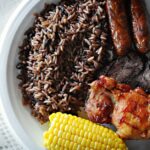
Animal sources tend to be protein-dense and complete, meaning they contain all nine essential amino acids your body cannot make. Plant sources can do the same job, but they often require eating more volume and combining sources across the day.
| Food | Protein (approx.) |
|---|---|
| Chicken breast, 3 oz cooked | 26 g |
| Lean beef, 3 oz cooked | 22 g |
| Salmon, 3 oz cooked | 22 g |
| Egg, large | 6 g |
| Greek yogurt, 1 cup | 20 g |
| Milk, 1 cup | 8 g |
| Lentils, 1 cup cooked | 18 g |
| Black beans, 1 cup cooked | 15 g |
| Tofu, firm, 3 oz | 8 g |
| Peanut butter, 2 tbsp | 7 g |
| Quinoa, 1 cup cooked | 8 g |
Values come from USDA nutritional data. Note that plant proteins come packaged with fiber and carbohydrates, which is not a problem — it just means the total calorie cost per gram of protein is often higher.
How Can You Tell If You Are Getting Enough?
There is no simple at-home test for protein status. The signs of inadequate intake are usually subtle and overlap with other problems: slow wound healing, frequent illness, hair thinning, loss of muscle mass, and fatigue. These symptoms have many causes, so they are not diagnostic on their own.
The more reliable approach is to track your food for a few days using a nutrition app or a notebook. Most people are surprised by how much or how little they actually eat. If your average daily intake is well below your target for weeks, that is worth addressing. If you are consistently at or above it, you are likely fine.
Blood tests like serum albumin are sometimes used in clinical settings, but they are poor markers of mild or moderate protein insufficiency. Albumin drops late and responds to inflammation and other conditions. It is not a good screening tool for everyday protein adequacy.
Can You Eat Too Much Protein?
For healthy kidneys, higher protein intakes within the ranges discussed here have not been shown to cause kidney damage in controlled studies. The idea that protein harms healthy kidneys is a persistent myth that traces back to advice given to people who already had kidney disease.
That said, very high intakes — well above 2 g/kg per day — have not been well studied for long-term safety in healthy adults. If you have chronic kidney disease, liver disease, or a metabolic disorder, protein intake needs to be managed with your clinician. The rules are different for you.
Another practical point: high-protein diets can crowd out fiber, fruits, and vegetables if you are not careful. Protein is one nutrient, not the whole picture. A diet that hits your protein target but skips plants is not a healthy diet.
What About Protein Powders and Supplements?
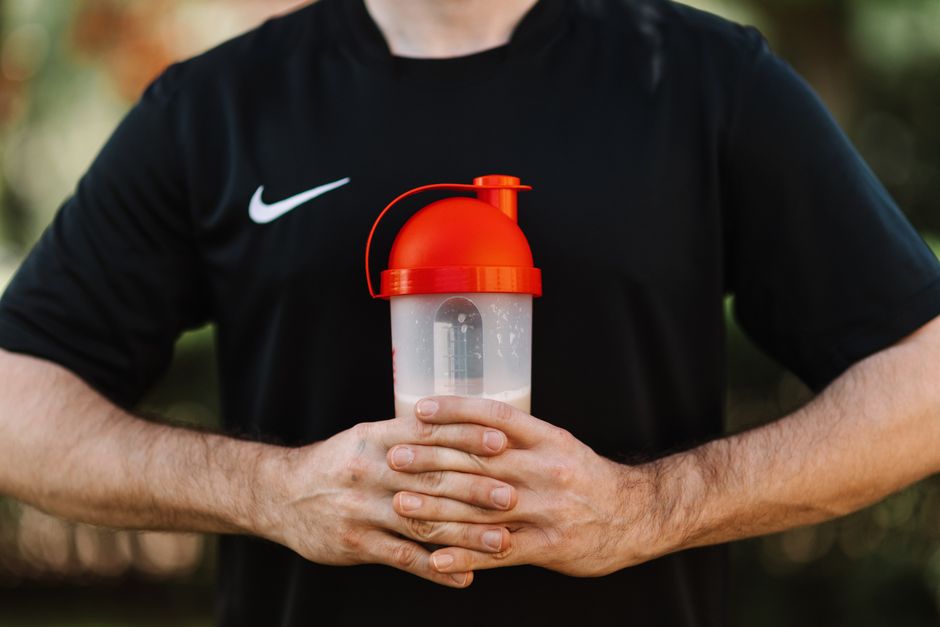
Protein powder is convenient, not magic. Whey, casein, soy, pea, and rice protein all deliver amino acids. If you can hit your target with food, you do not need powder. If you cannot — because of appetite, schedule, or dietary restrictions — powder is a reasonable tool.
Be skeptical of claims that a specific protein type is superior for fat loss, anti-aging, or immune function. No large human trial has confirmed most of these marketing claims. The evidence supports total protein intake and resistance training for muscle, not one brand or source over another.
Frequently Asked Questions
How many grams of protein do I need per day?
The RDA is 0.8 grams per kilogram of body weight for sedentary adults, but active people, older adults, and those recovering from illness often need 1.0 to 1.6 g/kg. A 150-pound sedentary adult needs about 54 grams; a 150-pound regular exerciser may need 75 to 110 grams.
Is 100 grams of protein a day too much?
For most adults, 100 grams per day is well within safe and studied ranges and is not harmful to healthy kidneys. Whether it is appropriate depends on your body weight and activity level — for a 200-pound person it is modest, for a 110-pound sedentary person it is above what is needed.
Can I get enough protein without eating meat?
Yes. Plant foods like lentils, beans, tofu, tempeh, quinoa, and soy milk can meet protein needs when eaten in adequate amounts and varied across the day. Plant-based eaters often need slightly more total protein because plant sources are digested a bit less efficiently.
Does eating more protein build more muscle?
Only up to a point. Muscle growth requires resistance training plus adequate protein — extra protein beyond what your body can use does not automatically become muscle. Most research shows benefits plateau around 1.6 g/kg per day for strength-trained adults.
