
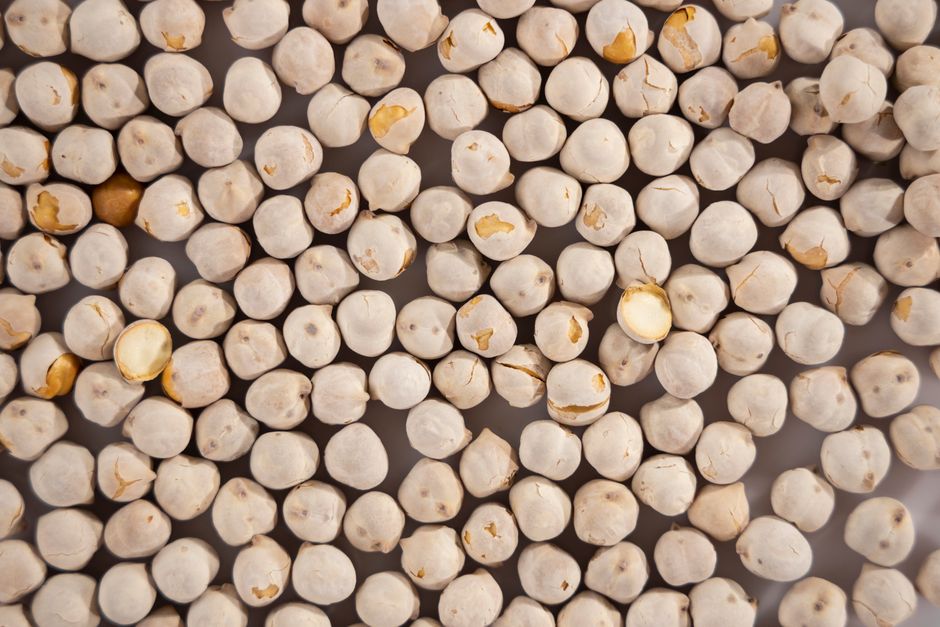
Chickpeas deliver about 14.5 grams of protein per cooked cup, a number that surprises most people who think of beans as a carb food. That puts them in a useful middle ground — more protein than most vegetables and grains, less than meat, eggs, or tofu. For anyone building meals around plant protein, knowing the real number matters more than the marketing claims on the can.
How Much Protein Is in Chickpeas?
According to USDA nutritional data, one cup of cooked chickpeas contains roughly 14.5 grams of protein. That same cup also brings about 12.5 grams of fiber and around 269 calories. The protein and fiber arrive together, which is part of why chickpeas keep people full longer than a similar number of calories from refined grains.
Dry chickpeas run about 20 grams of protein per 100-gram serving before cooking. Since they roughly double or triple in weight as they absorb water, the cooked numbers are lower per ounce. This trips people up constantly. A recipe calling for “one cup of chickpeas” means cooked unless it says otherwise, and the protein math changes depending on whether you are measuring dry or canned.
Canned chickpeas drain to about 1.5 cups per standard 15-ounce can. That works out to roughly 20 to 22 grams of protein per can after draining. If you are tracking intake, this is the number worth remembering.
How Much Protein Do Chickpeas Have Compared to Other Foods?
Chickpeas sit in a specific spot on the protein spectrum. They beat most plant foods but do not match animal sources or soy. Here is how one cooked cup compares:
| Food (1 cooked cup) | Protein | Fiber |
|---|---|---|
| Chickpeas | ~14.5 g | ~12.5 g |
| Lentils | ~18 g | ~15.6 g |
| Black beans | ~15 g | ~15 g |
| Firm tofu | ~20 g | ~3 g |
| Cooked chicken breast | ~43 g | 0 g |
| Cooked quinoa | ~8 g | ~5 g |
The comparison matters because people often swap chickpeas for meat and assume they are getting equivalent protein. They are not. A cup of chickpeas has about one-third the protein of a cup of chicken. That does not make chickpeas a bad choice — it makes them a different one. They bring fiber, folate, and minerals that chicken does not.
Lentils edge out chickpeas slightly on protein and fiber. If protein density is your only goal, lentils win. If you want a firmer texture that holds up in salads and roasting, chickpeas are the practical pick.
Is Chickpea Protein Complete?
Chickpeas contain all nine essential amino acids, which technically makes them a complete protein. The catch is that one amino acid — methionine — is present in smaller amounts than the others. This is not a problem in a normal diet. It only becomes relevant if chickpeas are your sole protein source for an extended period.
The old idea that you must carefully combine rice and beans at every meal to get complete protein has been retired by nutrition science. Your body maintains a pool of amino acids and balances them across the day. Eating a variety of plant proteins over 24 hours covers the gaps without any deliberate pairing.
That said, the practical version of this advice is simple: pair chickpeas with grains like rice, couscous, or whole wheat bread. Not because you have to at that exact meal, but because it makes the overall amino acid profile stronger and the meal more satisfying.





How Much Protein Do You Actually Need?
The general reference intake for protein is 0.8 grams per kilogram of body weight per day for healthy adults. For a 150-pound person, that is about 54 grams daily. For a 180-pound person, roughly 65 grams. These are baseline numbers to prevent deficiency, not optimized targets.
People who lift weights, are over 65, are recovering from illness, or are pregnant generally need more. Some research suggests older adults benefit from higher intake to preserve muscle mass, though the exact optimal amount is still debated. The evidence for higher protein in athletes is stronger than the evidence for higher protein in the general population.
Here is where chickpeas fit. If you need 60 grams of protein a day and you get one cup of chickpeas, you have covered about a quarter of it. That is meaningful but not sufficient on its own. Chickpeas work best as one component of a protein strategy, not as the whole thing.
Does Cooking Change Chickpea Protein?
Cooking does not destroy chickpea protein in any significant way. Heat denatures protein structure, but your digestive system breaks protein into amino acids regardless of whether it has been denatured. The protein content stays essentially the same before and after cooking — what changes is the water weight, which dilutes the concentration per gram.
What cooking does affect is digestibility. Raw chickpeas contain compounds that interfere with protein breakdown, which is why they must be cooked thoroughly. Canned chickpeas are already cooked and ready to eat. If you are cooking dried chickpeas at home, they need to be fully softened — firm, undercooked chickpeas are harder to digest and less nutritious in practice.
One non-obvious point: the liquid in a can of chickpeas, called aquafaba, contains a small amount of protein that leaches out during canning. It is not a meaningful protein source — roughly 1 gram or less per quarter cup — but it whips into foam and works as an egg replacer in baking. That is a functional use, not a nutritional one.
How Much Protein Is in Hummus and Other Chickpea Foods?
Hummus contains chickpeas, but it also contains tahini, olive oil, and water. Those ingredients dilute the protein. A typical two-tablespoon serving of hummus has about 2 grams of protein. Eating hummus for protein is inefficient — you would need a lot of it to match a cup of whole chickpeas.
Chickpea pasta is a different story. Pasta made primarily from chickpea flour often contains 13 to 14 grams of protein per 2-ounce dry serving, which is notably higher than traditional wheat pasta at around 7 grams. The catch is that some brands blend chickpea flour with other flours, so the protein content varies. Check the label rather than assuming.
Roasted chickpeas sold as snacks usually retain most of the protein of the original bean, but many commercial versions add oil and salt. A half-cup serving of roasted chickpeas typically delivers 6 to 8 grams of protein. That is a reasonable snack, though the calorie density is higher than the plain cooked version.
Do Chickpeas Have Any Downsides for Protein?
Chickpeas contain phytates, which can bind to minerals like iron and zinc and reduce how much your body absorbs. This is a real effect, but in mixed diets it rarely causes problems. People who rely heavily on legumes as a staple and eat little animal products may want to be aware of it, particularly for iron and zinc status.
Chickpeas also contain fermentable carbohydrates that can cause gas and bloating, especially when you first add them to your diet. Starting with smaller portions and increasing gradually usually helps. Canned chickpeas tend to cause less gas than freshly cooked dried ones, partly because some of the fermentable sugars leach into the canning liquid.
For most people, these are minor issues. If you have irritable bowel syndrome or a diagnosed digestive condition, chickpeas may be problematic because of their fiber and fermentable carbohydrate content. That is a conversation to have with your doctor or dietitian, not a reason to avoid them universally.
Frequently Asked Questions
How much protein is in one cup of chickpeas?
One cup of cooked chickpeas contains about 14.5 grams of protein, based on USDA data. A full 15-ounce can, after draining, provides roughly 20 to 22 grams.
Are chickpeas a good source of protein?
They are a solid plant protein source — more than most grains and vegetables, less than meat, eggs, or tofu. They work best as part of a varied diet rather than as a sole protein source.
Do chickpeas have more protein than eggs?
No. One large egg has about 6 grams of protein, and two eggs have roughly 12 grams, which is close to but slightly less than a cup of chickpeas. However, eggs provide more protein per calorie.
Can I eat chickpeas every day for protein?
Yes, daily chickpeas are fine for most people and fit well into a balanced diet. If they cause digestive discomfort, start with smaller portions and increase gradually.
