
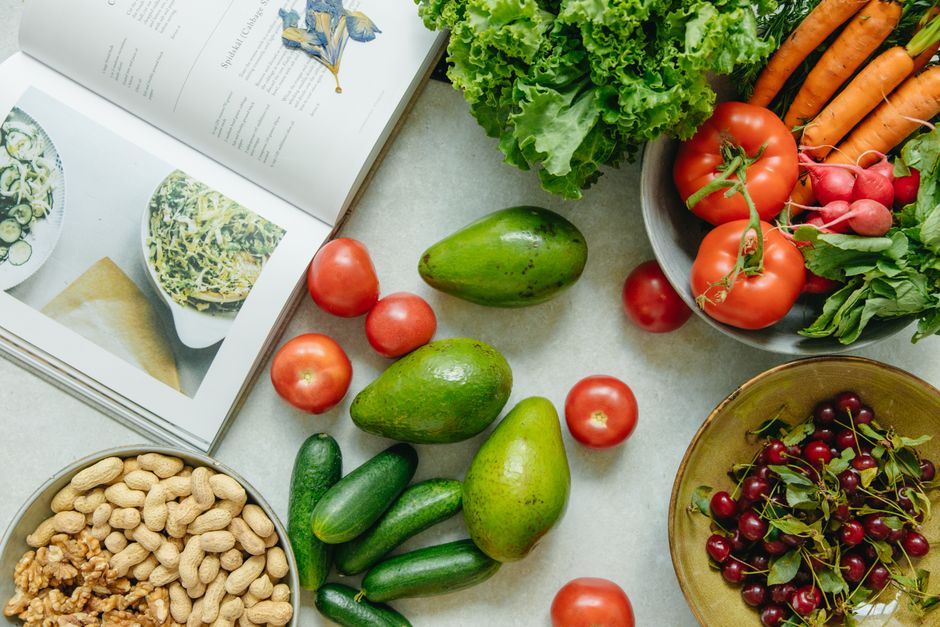
An avocado contains about 3 grams of protein. That figure applies to a whole, medium Hass avocado weighing roughly 200 grams, with the flesh itself coming in around 136 grams. It is not a high-protein food by any standard, but the number is worth knowing because avocado gets folded into so many meals and so many diet plans.
Protein is only part of what an avocado delivers. The bigger story is fat, fiber, potassium, and a nutrient profile that has made this fruit a staple in kitchens far beyond toast. Here is what the numbers actually show.
How Much Protein Does An Avocado Have?
A single medium avocado provides roughly 3 grams of protein. That is the number most people are looking for, and it is consistent across official nutrient databases for raw avocado.
To put that in context, one large egg has about 6 grams of protein. A cup of cooked black beans has around 15 grams. A 3-ounce chicken breast lands near 26 grams. Avocado is not competing in that league, and it was never meant to.
Serving size changes the math. Half a medium avocado gives you about 1.5 grams. A quarter gives you under a gram. If you are tracking protein seriously, avocado is a rounding error in your daily total, not a contributor.
There is one small technical point worth knowing. Avocado protein is not complete in the way animal protein is. It is low in some essential amino acids. That does not make it useless, but it does mean avocado cannot stand in as a protein source on its own.
What Is The Full Nutrition Profile Of An Avocado?
Protein is the smallest part of the avocado story. The fruit is mostly water and fat, with a meaningful amount of fiber and a long list of micronutrients.
For a medium Hass avocado, the flesh contains roughly 240 calories, about 22 grams of fat, around 13 grams of carbohydrates, and roughly 10 grams of fiber. Most of that fat is monounsaturated, the same type found in olive oil.
That fiber number matters. Ten grams of fiber from a single fruit is substantial. Most adults in the US fall short of recommended daily fiber intake, which sits around 25 to 38 grams depending on age and sex.
Avocado also delivers potassium, vitamin K, folate, vitamin E, and several B vitamins. A medium avocado has more potassium than a medium banana, which surprises many people.
| Nutrient | Amount (medium Hass, ~136g flesh) |
|---|---|
| Calories | ~240 |
| Protein | ~3 g |
| Total fat | ~22 g |
| Carbohydrate | ~13 g |
| Fiber | ~10 g |
| Potassium | ~690 mg |
| Vitamin K | ~30 mcg |
| Folate | ~110 mcg |
These figures come from standard nutrient databases and can vary slightly with ripeness, variety, and growing conditions. They are close enough for practical planning.
Why Does Avocado Have So Little Protein?
Avocado is a fruit, and fruit in general is not a protein-dense food group. Protein is built from amino acids, and plants allocate those resources differently than animals do.
In an avocado, the majority of the energy stored for the seed’s growth is packaged as fat. That is unusual for a fruit. Most fruits store energy as sugar. Avocado went a different direction, and the result is a fruit that is calorie-dense and fat-rich rather than protein-rich.
The protein that is present sits mostly in the flesh, not the pit or skin. The pit is not edible and offers no practical protein contribution despite what some internet posts suggest.
This is not a flaw. It is simply how the plant works. If you want protein, you eat foods built for it. If you want fat, fiber, and potassium, avocado delivers.





Can Avocado Help You Meet Your Daily Protein Needs?
No. A medium avocado covers only a small fraction of typical daily protein targets, which generally range from about 46 grams for adult women to around 56 grams for adult men under standard dietary reference intakes.
Three grams out of 50 is roughly 6 percent. That is not nothing, but it is not a strategy either. Anyone relying on avocado for protein will fall well short.
Where avocado does help is as a supporting player. Add it to a salad with chickpeas and you boost fiber and fat without hurting the protein total. Add it to a chicken wrap and the protein comes from the chicken, not the avocado.
There is a common claim that avocado “completes” a meal’s protein profile. That is not accurate. Avocado contains some amino acids, but the amount is too small to meaningfully complement anything.
How Does Avocado Compare To Other Common Foods?
The comparison is stark once you line it up. Avocado is not a protein food, and treating it like one leads to confusion.
- Medium avocado: ~3 g protein
- Large egg: ~6 g protein
- 1 cup cooked lentils: ~18 g protein
- 1 cup Greek yogurt: ~20 g protein
- 3 oz chicken breast: ~26 g protein
- 3 oz firm tofu: ~8 g protein
Notice that tofu, a plant food, has nearly three times the protein of an avocado per comparable serving. Plant protein is not the issue. Avocado specifically is just low in it.
Where avocado wins is fat quality and fiber. Compared to most protein foods, it has far more monounsaturated fat and far more fiber per calorie. Those are real benefits, just not protein benefits.
Does The Type Of Avocado Change The Protein Content?
Variety has a modest effect on protein content, but not enough to change the practical picture. Hass avocados, the most common type sold in the US, are the reference point for most nutrient data.
Larger varieties like Florida avocados weigh more and contain more total protein per fruit, but they also contain more water and less fat per gram. A larger avocado might push protein to 4 or 5 grams. That is still low.
Ripeness has almost no effect on protein. A firm avocado and a soft one contain essentially the same amount. Storage and preparation do not change the protein content either, since protein is not created or destroyed by ripening.
What changes with ripeness is texture and fat availability, not protein. If you are choosing an avocado for protein, there is no better pick. They are all roughly the same.
Should You Count Avocado Toward Your Protein Intake?
You can count it, but it will not move your numbers. If you are tracking protein for muscle building, weight management, or medical reasons, avocado is best logged as a fat and fiber source.
Some tracking apps lump avocado into a “healthy fats” category for exactly this reason. That is the more useful way to think about it.
What avocado does well is make protein-rich meals more satisfying. Fat and fiber both slow digestion and can help you feel full longer. Adding avocado to a meal does not add much protein, but it can make the protein you are already eating more enjoyable and more filling.
If your goal is higher protein intake, the answer is not more avocado. It is more eggs, dairy, legumes, fish, poultry, or tofu. Avocado plays a different role.
Frequently Asked Questions
How much protein is in half an avocado?
Half a medium avocado contains about 1.5 grams of protein. That is a very small amount and will not meaningfully affect your daily protein total.
Is avocado a good source of protein?
No. Avocado is low in protein compared to eggs, legumes, dairy, meat, and tofu. It is better classified as a source of fat and fiber.
Does avocado have more protein than an egg?
No. A medium avocado has about 3 grams of protein, while a large egg has around 6 grams. The egg provides roughly twice as much.
Can I eat avocado every day?
Daily avocado consumption fits within most eating patterns, but it adds calories and fat. Portion size matters more than frequency for most people.
