
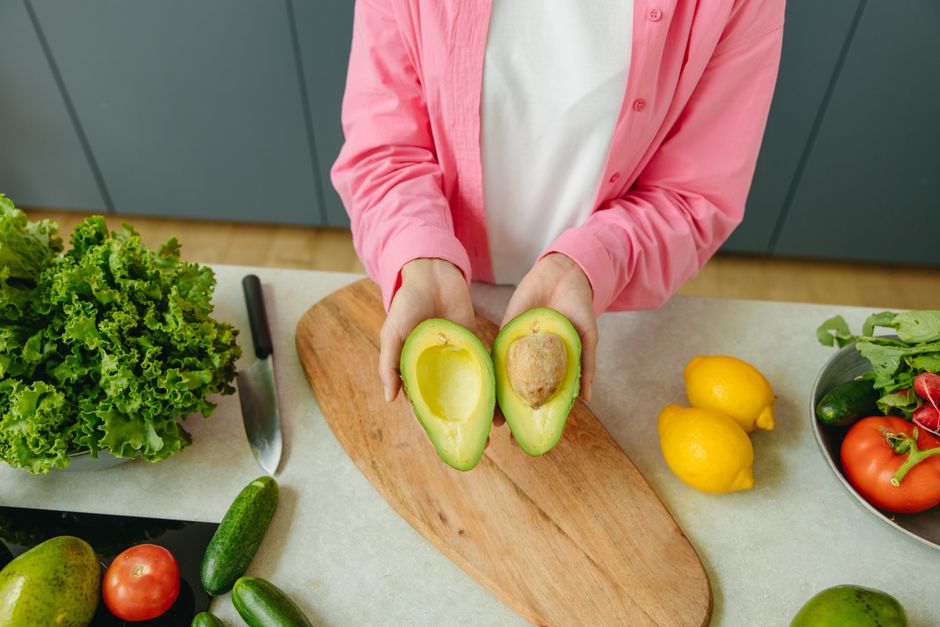
You can eat an avocado seed. It is not poisonous, and people do eat it. But the popular claims that it fights cancer, kills parasites, or boosts immunity are not supported by human studies. The seed is mostly carbohydrate and fiber, with small amounts of fat and plant compounds. If you want to try it, the realistic reasons are curiosity and fiber — not disease prevention.
Do You Eat An Avocado Seed? What the Science Actually Says
The avocado seed, also called the pit, is edible in the sense that it is not toxic to humans. That is the one point most sources agree on.
People grind it, blend it, bake it, or steep it in tea. Some add it to smoothies. Others dry it and turn it into powder. None of these uses are backed by clinical trials showing a health benefit in people.
What exists is laboratory research. Studies have looked at avocado seed extracts in test tubes and in animals. Those studies have reported antioxidant activity, antibacterial effects against certain microbes, and effects on blood sugar or cholesterol in some animal models.
That is a long way from proving anything in a human body. A compound that behaves one way in a petri dish often behaves differently after digestion, absorption, and metabolism. Biological plausibility is not the same as demonstrated clinical benefit.
So the honest answer is this: the seed is safe to eat in normal food amounts, but no human trial has confirmed that eating it treats or prevents any disease.
What Is Actually Inside an Avocado Seed?
The seed is a concentrated package of starch, fiber, and a small amount of fat. It is far less fatty than the flesh of the avocado.
Roughly, the seed is mostly carbohydrate by weight, with a meaningful share of that being dietary fiber. It also contains small amounts of protein and fat. The fat content is low compared with the green flesh.
The seed also contains plant compounds, including polyphenols and flavonoids. These are the same broad categories of compounds found in many fruits, vegetables, and seeds. They are the reason laboratory studies show antioxidant activity.
Antioxidants in a test tube are not the same as antioxidants working inside your body. Your digestive system breaks many of these compounds down before they reach your cells. Some are absorbed, some are not, and the amounts that reach tissues are often tiny.
One practical point: the seed is bitter. That bitterness comes from some of these same plant compounds. It is not a sign that the seed is medicine. It is a sign that it is a seed.
Does the Avocado Seed Have Proven Health Benefits?
No human clinical trials have confirmed health benefits from eating avocado seeds. This is the central fact that most viral posts leave out.
Claims you may see online include that the seed fights cancer, lowers blood pressure, reduces inflammation, kills parasites, and boosts the immune system. Each of these claims traces back to laboratory or animal work, not to studies in people.
Some research suggests avocado seed extracts have antimicrobial activity against certain bacteria in the lab. Some studies indicate effects on blood glucose in animals. Some research suggests antioxidant effects in cell models.
None of that tells us what happens when a person eats a ground-up pit. To know that, you would need controlled human trials measuring real outcomes. Those trials do not currently exist for avocado seed.
This is a good place to be direct. If a product or post promises that avocado seed cures a disease, that claim is not supported. No study has confirmed it.



Avocado Seed vs Avocado Flesh: How They Compare
The flesh is the part with the well-documented nutrition. The seed is the part with the hype.
Avocado flesh is a source of monounsaturated fat, fiber, potassium, vitamin E, and several B vitamins. The seed is mostly starch and fiber with far less fat and far fewer of the vitamins people associate with avocado.
| Feature | Avocado Flesh | Avocado Seed |
|---|---|---|
| Main component | Fat and water | Starch and fiber |
| Fat content | High (mostly monounsaturated) | Low |
| Fiber | Present | Present, often higher by weight |
| Potassium | Good source | Lower than flesh |
| Human trials for health benefits | Extensive | Essentially none |
| Taste | Mild, creamy | Bitter, astringent |
If your goal is nutrition, the flesh is where the evidence is. The seed adds fiber if you eat it, but it does not replace what the flesh provides.
Is It Safe to Eat Avocado Seeds?
In normal food amounts, eating avocado seed is not known to be dangerous. That said, “not known to be dangerous” is not the same as “studied and proven safe.”
There are a few real concerns worth knowing.
- Choking and blockage risk: A whole pit is a choking hazard and can cause a bowel blockage if swallowed intact. Always grind or blend it. Never swallow a whole pit.
- Digestive upset: The seed is high in fiber and bitter compounds. Eating a lot at once can cause bloating, gas, or stomach discomfort.
- Antinutrients: Like many seeds, avocado seed contains compounds that can reduce absorption of some minerals. In normal food amounts this is unlikely to matter, but it is a reason not to rely on it heavily.
- Persin: Avocado contains a compound called persin. It is found in higher amounts in the leaves, bark, and skin, and it can be toxic to some animals, including birds and some livestock. Humans are far less sensitive to it. The amounts in the seed eaten as food are not known to cause harm in people, but this is one reason the seed is not a free-for-all.
If you are pregnant, breastfeeding, or feeding a child, there are no clinical guidelines for eating avocado seed. The safest position is to avoid it, because the safety data simply do not exist for these groups.
If you take medication, especially for blood sugar or blood pressure, talk to a clinician before adding large amounts of avocado seed. Theoretically it could interact, though human data are lacking.
How Do People Eat Avocado Seeds?
Most people who eat the seed do not eat it raw and whole. They process it first, mainly to make it edible and to reduce the bitterness.
Common methods include:
- Drying the pit, then grinding it into a powder
- Blending it into smoothies
- Baking it into breads or muffins
- Steeping grated seed in hot water as a tea
Grinding is important for two reasons. It removes the choking and blockage risk of a whole pit, and it makes the seed easier to digest.
The taste is the main obstacle. The seed is bitter and astringent. In baked goods the bitterness is partly masked. In smoothies it can be noticeable. A little goes a long way.
There is no established serving size for avocado seed. No official body has set a recommended amount because there is no evidence base to support one. If you try it, start small and pay attention to how your stomach responds.
The Bottom Line on Avocado Seeds
The avocado seed is edible, not toxic, and mostly fiber and starch. It is not a superfood, and it is not a medicine.
The claims that circulate online — cancer, parasites, immunity, blood pressure — are not backed by human studies. They come from lab and animal work that has not been confirmed in people.
If you want the nutrition avocado is known for, eat the flesh. If you want to try the seed out of curiosity, grind it, use a small amount, and do not expect health effects that the evidence does not support.
Frequently Asked Questions
Is it safe to eat an avocado seed?
Yes, in normal food amounts, as long as you grind or blend it rather than swallowing it whole. A whole pit is a choking and blockage hazard.
Does avocado seed kill parasites?
No human study has confirmed that avocado seed kills parasites in people. The claim comes from laboratory research, not from clinical trials.
Can avocado seeds help you lose weight?
No clinical evidence currently confirms that avocado seeds cause weight loss. Any effect would most likely come from added fiber, not from the seed itself.
How much avocado seed can you eat per day?
There is no established recommended amount because no official guidelines exist for avocado seed. If you try it, start with a small amount and watch for digestive upset.
