
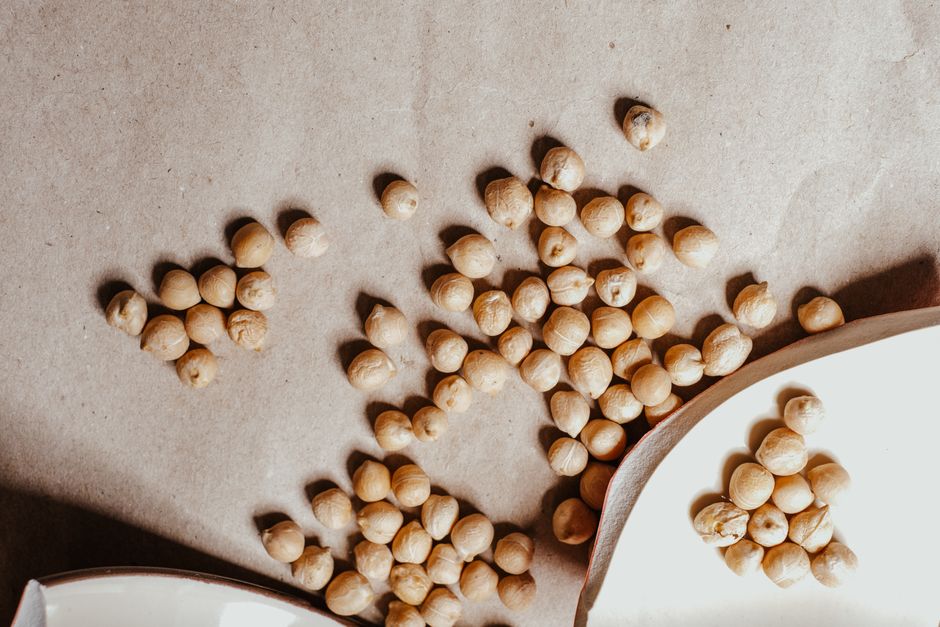
Beans are not a complete protein on their own. They are missing one or more of the nine essential amino acids your body cannot make, most often methionine. That single fact has confused eaters for decades, because the “incomplete protein” label sounds like a flaw when it is really just a description of an amino acid profile.
The confusion gets worse because beans are often eaten with rice, corn, or wheat. Those pairings fill in the missing amino acids, which makes the meal complete. The bean itself never changes. The plate does.
What Makes a Protein Complete?
A complete protein supplies all nine essential amino acids in amounts your body can use. Essential means your cells cannot build them from other molecules, so they have to come from food. Histidine, isoleucine, leucine, lysine, methionine, phenylalanine, threonine, tryptophan, and valine make up that list.
Animal proteins such as eggs, milk, meat, poultry, and fish generally contain all nine in proportions close to what human tissue needs. Soy is the plant exception most often cited, and quinoa and buckwheat are also frequently described as complete, though their amino acid levels vary by variety and growing conditions.
Most other plant proteins, beans included, run low on at least one essential amino acid. Nutrition researchers call the shortfall a limiting amino acid. For most legumes, that is methionine. For grains, it is usually lysine. That difference is the whole reason beans and grains work so well together.
Are Beans a Complete Protein on Their Own?
No. Common beans such as black, pinto, kidney, navy, and chickpeas are limited in methionine, and their amino acid profile does not match human requirements on its own. This is not a defect unique to beans. It is how most single plant foods look when you analyze them.
What beans do have is a lot of lysine, the amino acid grains tend to lack. So a bean dish and a grain dish eaten in the same day cover each other’s gaps. Traditional food patterns arrived at this independently. Beans and rice in Latin America. Beans and corn tortillas in Mexico. Dal and rice in South Asia. Hummus and pita in the Middle East. None of these combinations required a nutrition textbook to invent.
One clarification worth making: the old advice to combine complementary proteins at every single meal was stricter than the science required. Current understanding is that your body maintains a pool of amino acids and can draw on it across the day. Eating beans at lunch and rice at dinner still works. The pairing does not have to happen on the same fork.
How Do Beans Compare to Other Protein Sources?
Beans hold their own on protein quantity but not on protein quality, and the difference matters more in some diets than others.
| Food | Protein per cooked cup | Complete protein? | Limiting amino acid |
|---|---|---|---|
| Black beans | About 15 g | No | Methionine |
| Lentils | About 18 g | No | Methionine |
| Chickpeas | About 15 g | No | Methionine |
| Soybeans | About 29 g | Yes | None significant |
| Egg | About 12 g (2 large) | Yes | None significant |
| Chicken breast | About 43 g (1 cup diced) | Yes | None significant |
Those protein figures come from USDA nutrient data for cooked, unsalted varieties. Cooking method and water content shift them somewhat, so treat them as close approximations rather than fixed values.
The table shows why beans are not a straight swap for meat gram for gram. A cup of black beans gives you roughly a third of the protein in a cup of diced chicken. But beans bring fiber, folate, potassium, and iron that chicken does not, and they carry no cholesterol. Judging them only on protein misses what they actually contribute.



Does the “Incomplete Protein” Label Matter for Your Health?
For most people eating a varied diet, the limiting amino acid in beans is a non-issue. Your body does not require every meal to be complete. It requires enough total essential amino acids across the day, and a mixed diet delivers that without planning.
The label matters more in specific situations:
- Vegan diets built mostly on one grain or one legume, with little variety, can fall short over time.
- Older adults may need more total protein than younger people, and protein quality becomes more relevant as intake needs rise.
- People recovering from illness or surgery have higher protein needs, and clinicians often pay closer attention to amino acid adequacy in that setting.
- Infants and young children have high protein needs relative to body weight, and feeding guidance for this group is specific and should come from a pediatric provider, not general articles.
For a healthy adult eating beans alongside grains, vegetables, nuts, seeds, and possibly animal foods, there is no practical protein problem to solve. The concern is largely theoretical in that context.
How Do You Make Beans a Complete Protein?
Pair them with a grain, a seed, a nut, or a small amount of animal protein. Any of these fills the methionine gap.
Practical combinations that work:
- Black beans with rice
- Chickpeas with whole wheat pita or couscous
- Lentils with barley or oats
- Bean chili with cornbread
- Hummus with sesame-based tahini, which is itself rich in methionine
- Bean soup with a slice of whole grain bread
Sesame deserves a mention because tahini and sesame seeds are unusually high in methionine for a plant food. That is part of why hummus works as a protein source rather than just a dip. The chickpeas supply lysine, the sesame supplies methionine, and the combination covers the full set.
You do not need to eat these pairings at the same sitting. Eating beans at one meal and grains at another still supports your amino acid pool. The same-day approach is simpler to remember and just as effective for most people.
Are There Any Beans That Are Complete Proteins?
Soybeans are the clearest exception. They contain all nine essential amino acids in amounts that meet human requirements, which is why soy is treated as a complete plant protein in nutrition literature. Edamame and tofu inherit that profile.
Other beans do not. Black beans, kidney beans, pinto beans, navy beans, lentils, and chickpeas are all limited in methionine. Some legumes come closer than others, but “closer” is not the same as complete.
There is a persistent claim online that certain beans are complete proteins and the incomplete-protein idea is a myth. That claim misreads the science. The concept of limiting amino acids is well established and measurable. What was overstated in earlier decades was the practical importance of combining proteins at every meal, not the underlying chemistry.
So both things are true. Beans are incomplete proteins by amino acid profile. And for most people eating a varied diet, that fact has little effect on health.
Do You Need to Worry About Protein If You Eat a Lot of Beans?
Probably not, if your diet includes variety. The risk of protein deficiency on a mixed diet is low in countries where food is plentiful. The risk rises when calories are too low overall, when the diet is extremely narrow, or when someone is following a restrictive eating pattern without guidance.
Protein deficiency in adults shows up as muscle loss, swelling, slow wound healing, and increased susceptibility to infection. These are signs of a broader nutritional problem, not something caused by eating beans instead of beef.
If you eat plant-based and want to be sure you are covered, the practical steps are straightforward. Eat beans and grains together across the day. Include soy foods. Add nuts and seeds. Eat enough total calories, because protein cannot do its job if energy intake is too low. If you have a medical condition affecting protein needs, or you are pregnant, breastfeeding, or feeding a child, those situations call for individualized guidance from a qualified clinician rather than general advice.
Frequently Asked Questions
Are beans a complete protein?
No, most beans are not complete proteins because they are low in the essential amino acid methionine. Soybeans are the main exception and do contain all nine essential amino acids.
Can you make beans a complete protein?
Yes, pairing beans with grains, nuts, seeds, or a small amount of animal protein supplies the missing methionine. The foods do not have to be eaten in the same meal to work.
Is rice and beans a complete protein?
Yes, rice and beans together provide all nine essential amino acids because the grain supplies methionine and the beans supply lysine. This combination is a well-established complete protein pairing.
Do you need to combine proteins at every meal?
No. Your body maintains a pool of amino acids and can use them across the day, so eating complementary proteins at different meals still works.
