
Most adults need about 0.8 grams of protein per kilogram of body weight each day, and vegans are no exception. For a person weighing 70 kilograms (about 154 pounds), that works out to roughly 56 grams of protein daily. The key difference for vegans is not the total amount but the source — plant proteins are digested slightly differently than animal proteins, so paying attention to variety matters more than obsessing over a single number.
What Is the Standard Protein Recommendation?
The 0.8 grams per kilogram guideline comes from established nutritional science. It represents the minimum amount needed to prevent deficiency in most healthy adults. This is not an athletic target or an optimal-performance number. It is the baseline for a sedentary person to maintain muscle and normal body function.
To find your personal number, take your weight in pounds and divide by 2.2 to get kilograms. Then multiply by 0.8. A 150-pound person would calculate 150 divided by 2.2, which equals about 68 kilograms. Multiply that by 0.8, and the result is roughly 54 grams of protein per day.
This guideline applies to vegans and omnivores alike. The body’s basic protein requirement does not change based on whether you eat plants or animals.
Why Plant Protein Is Different From Animal Protein
Plant proteins are not inferior, but they are different. Most plant foods contain less of one or more essential amino acids compared to animal proteins. Amino acids are the building blocks of protein, and nine of them are called essential because your body cannot make them on its own.
Soy and quinoa are exceptions because they contain all nine essential amino acids in adequate amounts. Most other plant proteins — beans, lentils, rice, wheat, nuts — are lower in at least one essential amino acid. This is why vegans are often told to eat a variety of protein sources throughout the day.
The older advice about combining proteins at every single meal has been updated. Research now shows that your body pools amino acids from foods eaten over the course of a day. You do not need to carefully pair rice with beans at each meal. Eating a variety of plant proteins across the day is sufficient for most healthy adults.
How Much Protein Do Vegans Need Per Day for Active People?
Physical activity raises protein needs. The exact increase depends on the type and intensity of training, but general sports nutrition guidance suggests that people who train regularly may benefit from 1.2 to 1.7 grams per kilogram of body weight per day. Endurance athletes tend to fall at the lower end, and strength athletes at the higher end.
For a 154-pound vegan who lifts weights several times per week, that range means roughly 84 to 119 grams of protein daily. This is noticeably higher than the baseline 56 grams. The extra protein supports muscle repair and adaptation after training.
Older adults also have higher protein needs. Starting around age 50, the body becomes less efficient at using dietary protein to maintain muscle. Some research suggests older adults may need closer to 1.0 to 1.2 grams per kilogram per day to preserve muscle mass and function.
Pregnant and breastfeeding women need additional protein as well. Standard prenatal nutrition guidance recommends roughly 1.1 grams per kilogram during pregnancy and about 1.3 grams per kilogram while breastfeeding. These are general figures, and individual needs vary.



Which Vegan Foods Are Highest in Protein?
Knowing your daily target is only half the task. The practical question is how to reach it with plant foods. Some vegan protein sources are much more concentrated than others.
- Soy products — tofu, tempeh, and edamame provide roughly 10 to 20 grams of protein per serving. Tempeh is the most protein-dense, with about 15 grams per half-cup.
- Seitan — made from wheat gluten, seitan packs about 25 grams of protein per 3-ounce serving. It is not suitable for people with celiac disease or gluten sensitivity.
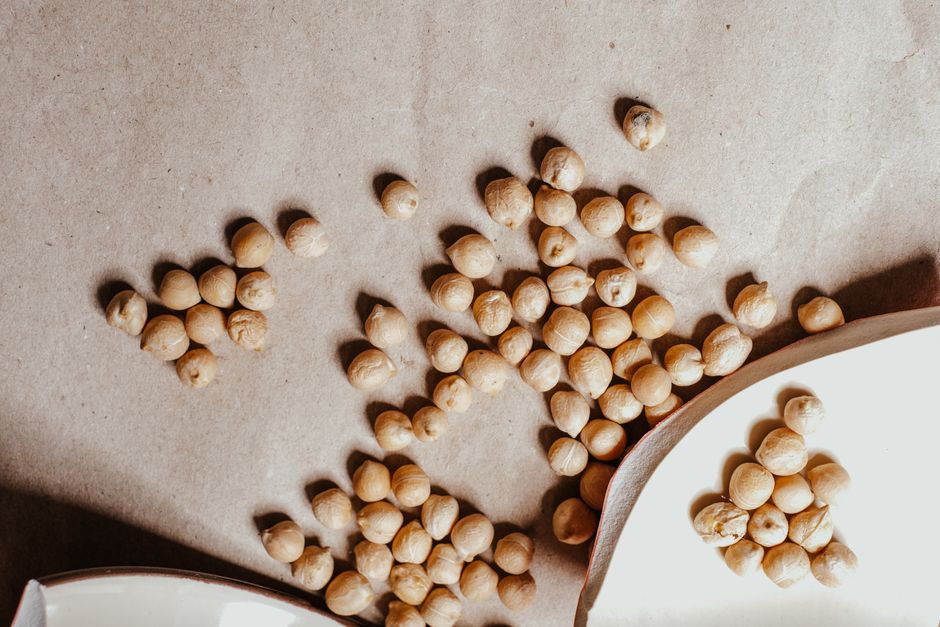
- Legumes — lentils, chickpeas, and black beans provide about 8 to 9 grams of protein per half-cup cooked.
- Nuts and seeds — hemp seeds and pumpkin seeds are the most protein-dense, with about 10 grams per ounce. Almonds and peanuts provide 6 to 7 grams per ounce.
- Whole grains — quinoa has about 8 grams per cooked cup. Even bread and oats contribute meaningful protein across the day.
A practical vegan meal pattern might include a soy-based breakfast, a bean-based lunch, and a lentil or seitan dinner. That alone typically provides 60 to 80 grams of protein without any special planning.
Do Vegans Need to Track Protein?
Most vegans do not need to count grams every day. If you are eating enough calories and including a legume, soy product, nut, or seed at most meals, you are likely meeting your needs. Protein deficiency in vegans is rare and is usually tied to overall low calorie intake.
Tracking becomes useful in specific situations. Athletes aiming for the higher end of the range, older adults worried about muscle loss, and people transitioning from an omnivorous diet may benefit from a week or two of tracking to see where they actually land. A food diary app can give you a realistic picture without guesswork.
One common mistake is replacing animal protein with high-carbohydrate plant foods without adding a concentrated protein source. A vegan diet built around white rice, pasta, and fruit can easily fall short. A vegan diet built around beans, soy, whole grains, and vegetables typically has no trouble meeting protein targets.
Can You Eat Too Much Protein on a Vegan Diet?
Excess protein from any diet — vegan or not — is stored as fat or used for energy. Very high protein intakes are not necessarily harmful for healthy people, but they are also not beneficial. The body can only use so much protein for muscle building and repair.
One genuine concern with very high protein vegan diets is the potential to crowd out carbohydrates and fats. Both are essential for energy and hormone function. A protein intake far above your needs is not a health advantage.
Some research has raised questions about very high protein diets and kidney function in people with existing kidney disease. For healthy individuals, the evidence does not show that normal to moderately high protein intakes damage the kidneys. If you have kidney disease, your doctor should guide your protein intake regardless of whether you eat plants or animals.
How to Hit Your Protein Target Without Supplements
Protein powders and supplements are convenient but not necessary. Whole food sources provide protein along with fiber, vitamins, and minerals that isolated powders lack. Most vegans can meet their needs entirely through food.
A simple structure works well. Aim for a protein source at each meal. Breakfast could be tofu scramble or oatmeal with hemp seeds. Lunch might be a chickpea salad sandwich or a lentil soup. Dinner could feature tempeh stir-fry or a bean-based chili. Snacks like roasted edamame or a handful of almonds add extra grams without much effort.
The one situation where a supplement makes practical sense is for athletes who struggle to eat enough food to meet higher protein targets. A pea or soy protein powder can fill the gap. These are not superior to food, but they are convenient and effective.
What About Protein Quality and Leucine?
Leucine is an amino acid that plays a specific role in triggering muscle protein synthesis. Animal proteins tend to contain more leucine per serving than most plant proteins. This matters most for athletes and older adults trying to maximize muscle response.
Soy is the plant protein with the most favorable leucine content. A serving of tofu or tempeh provides enough leucine to stimulate muscle protein synthesis in most people. Other plant proteins are lower in leucine, but eating larger portions can compensate.
For most healthy adults eating a varied vegan diet, leucine is not a practical concern. The body’s daily amino acid pooling means that leucine from multiple smaller plant sources adds up across the day. Only competitive athletes or frail older adults may need to think deliberately about leucine-rich plant sources like soy.
How Much Protein Do Vegans Need Per Day Compared to Omnivores?
The total daily protein recommendation is the same for vegans and omnivores. The difference appears in digestion and absorption. Plant proteins are slightly less digestible than animal proteins, partly because plant cell walls resist breakdown and partly because some plant foods contain compounds that reduce protein absorption.
This difference is small and does not change the standard recommendation for most people. The 0.8 grams per kilogram guideline already accounts for the average digestibility of mixed diets. Eating a variety of plant proteins throughout the day easily compensates for any slight reduction in absorption.
No reliable evidence shows that vegans need dramatically more protein than omnivores. The idea that plant protein is so poorly absorbed that you need 30 to 50 percent more is not supported by current nutrition science.
Frequently Asked Questions
Is 100 grams of protein enough on a vegan diet?
For most adults, yes — 100 grams exceeds the standard recommendation of 0.8 grams per kilogram of body weight for anyone up to about 275 pounds. It also falls within the range recommended for most athletes and active people.
What are the best vegan protein sources?
Soy products like tofu and tempeh, seitan, lentils, chickpeas, and hemp seeds are among the most protein-dense plant foods. Whole grains and nuts also contribute meaningful amounts across the day.
Do vegans need protein supplements?
No, most vegans can meet their protein needs through food alone. Supplements are useful for athletes with high protein targets or people who struggle to eat enough food, but they are not required.
Can you build muscle on a vegan diet?
Yes, research consistently shows that plant-based diets can support muscle growth when total protein intake and overall calorie intake are adequate. Soy protein in particular has been shown in studies to support muscle protein synthesis similarly to animal protein.
