
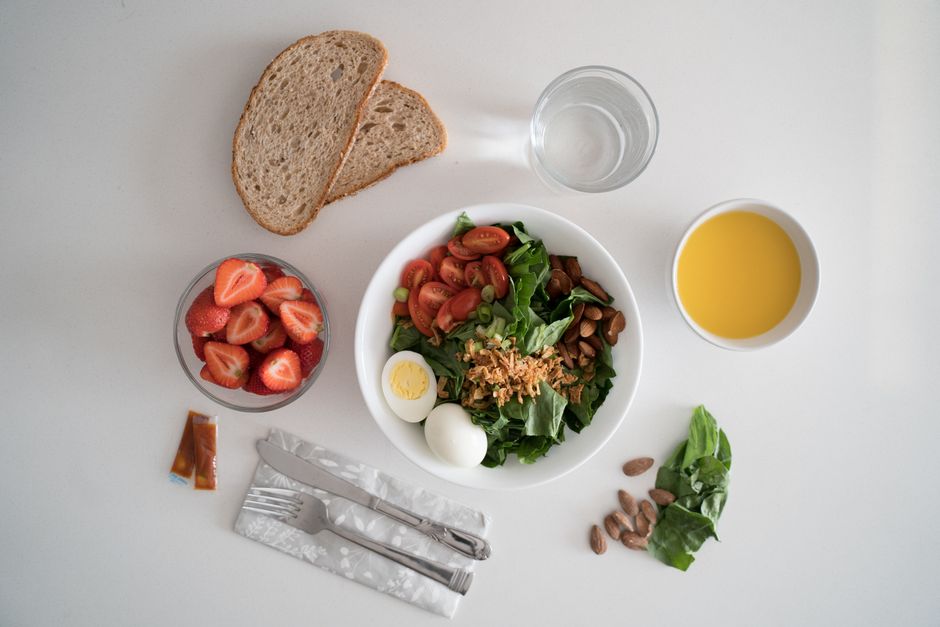
Spinach is famous for being a nutrient powerhouse, but protein is not its main claim to fame. A 100-gram serving of raw spinach, which is about 3.5 ounces or roughly 3 packed cups, contains about 2.9 grams of protein. That is the same amount you would get from about half a large egg, but with far fewer calories. Spinach is a good source of plant protein, especially considering its low calorie count, but it is not a high-protein food on its own. The real value of spinach comes from how it contributes to your overall daily protein intake alongside other foods.
How Much Protein Is Actually in a Serving of Spinach?
The protein content in spinach depends entirely on how you measure it. Raw spinach is mostly water, so the protein is diluted. When you cook spinach, the water evaporates and the leaves shrink dramatically, making the protein more concentrated by weight.
Here is the breakdown for common serving sizes:
- 1 cup raw spinach (about 30 grams): roughly 0.9 grams of protein
- 100 grams raw spinach: roughly 2.9 grams of protein
- 1 cup cooked spinach (about 180 grams): roughly 5.4 grams of protein
Cooked spinach delivers more protein per cup because you are fitting far more spinach into the same volume. A full pound of raw spinach cooks down to about one cup. This matters for practical meal planning. If you want protein from spinach, cooking it is the most efficient way to get a meaningful amount.
Is Spinach a Complete Protein?
Proteins are built from amino acids. Your body needs nine essential amino acids that it cannot make on its own. A complete protein contains all nine in adequate amounts. Animal foods like meat, eggs, and dairy are complete proteins. Most plant foods are not.
Spinach is not a complete protein. It contains all of the essential amino acids, but the amounts of some, particularly methionine and histidine, are lower than what your body needs on its own. This is not a problem in practice. The old idea that you need to combine specific plant foods at every meal has been largely set aside by nutrition researchers. As long as you eat a variety of protein sources throughout the day, your body gets all the amino acids it needs. Your liver does not require a perfect amino acid profile at every single meal.
The bigger issue is quantity. You would need to eat about 10 cups of raw spinach to get the protein in a single chicken breast. That is a lot of spinach. For most people, spinach is a supporting protein source, not a primary one.
How Does Spinach Compare to Other Vegetables?
Among vegetables, spinach is actually one of the better protein sources. Most vegetables contain very little protein, usually 1 to 2 grams per cup. Spinach sits at the higher end of that range.
Here is how spinach stacks up against other common plant foods per 100 grams:
| Food | Protein per 100 grams |
|---|---|
| Spinach (raw) | 2.9 g |
| Kale (raw) | 2.9 g |
| Broccoli (raw) | 2.8 g |
| Asparagus (raw) | 2.2 g |
| Lentils (cooked) | 9.0 g |
| Chickpeas (cooked) | 8.9 g |
| Quinoa (cooked) | 4.4 g |
Legumes like lentils and chickpeas are in a different category entirely. They are genuinely high-protein plant foods. Spinach is a leafy green that happens to have more protein than most other greens, but it cannot compete with beans, lentils, or grains.




Can You Rely on Spinach for Your Daily Protein Needs?
No. The math does not work for most people. A typical adult needs roughly 0.8 grams of protein per kilogram of body weight per day. For a 150-pound person, that is about 54 grams of protein daily. To get that from raw spinach alone, you would need to eat nearly 1.9 kilograms, or about 4 pounds, of raw spinach. That is not realistic or advisable.
Spinach can contribute meaningfully to your daily intake, especially when cooked. A cup of cooked spinach provides about 5.4 grams of protein, which is roughly 10 percent of the daily need for an average adult. Combine that with eggs at breakfast, beans at lunch, and chicken or tofu at dinner, and the spinach is doing its part. It is just not carrying the load by itself.
There is also the matter of oxalates. Spinach contains oxalic acid, which can bind to calcium and reduce its absorption. Cooking spinach reduces oxalate content somewhat. This does not make spinach unsafe, but it is one reason nutritionists do not recommend spinach as a primary calcium source. It does not meaningfully affect protein absorption.
Does the Way You Cook Spinach Change the Protein?
Cooking does not destroy the protein in spinach. Heat can denature proteins, which means it changes their shape, but your digestive system denatures proteins anyway. The protein remains fully usable by your body after cooking.
The main difference is concentration. Raw spinach is about 91 percent water. When you cook it, much of that water is released and evaporates. The same amount of spinach now weighs less, so the protein percentage goes up. This is why 100 grams of cooked spinach has more protein than 100 grams of raw spinach — you are looking at more actual spinach leaf in that 100-gram portion.
Steaming, sautéing, and boiling all work well. Boiling can leach some water-soluble nutrients like vitamin C and folate into the cooking water, but protein stays in the leaves. If you are cooking spinach for its protein content specifically, any cooking method works fine.
What Else Is in Spinach That Matters?
Protein is only a small part of why spinach is considered a healthy food. Its real strengths are in other nutrients.
Spinach is an excellent source of vitamin K. A single cup of raw spinach provides well over half of the daily recommended intake. Vitamin K is essential for blood clotting and bone health. Spinach is also rich in vitamin A in the form of beta-carotene, plus folate, which is especially important during pregnancy.
Spinach provides magnesium, iron, and potassium. The iron in spinach is non-heme iron, which is less easily absorbed than the heme iron found in meat. Eating spinach with vitamin C, like a squeeze of lemon, can improve iron absorption. This is a practical tip that actually works.
Spinach is also packed with antioxidants, including lutein and zeaxanthin. These compounds are linked to eye health and may help protect against age-related macular degeneration. The evidence here is observational, but it is consistent and biologically plausible.
Should You Eat More Spinach for Protein?
If your goal is to increase protein intake, spinach should not be your primary strategy. Choose legumes, dairy, eggs, meat, or tofu for that purpose. A cup of cooked lentils has about 18 grams of protein. A cup of Greek yogurt has around 20 grams. A 3-ounce chicken breast has about 26 grams. These foods deliver protein in amounts that actually move the needle.
Spinach is best understood as a nutrient-dense vegetable that adds a small amount of protein while contributing vitamins, minerals, and fiber. It is a valuable part of a healthy diet for many reasons. Protein is just not the main one.
If you enjoy spinach and want to maximize its protein contribution, eat it cooked rather than raw. Add it to eggs, stir it into soups, or sauté it as a side dish. This gets you more spinach per bite, which means more protein per bite. Just be realistic about what spinach can do. It is a vegetable. It is not a protein shake.
Frequently Asked Questions
How many grams of protein are in one cup of raw spinach?
One cup of raw spinach contains about 0.9 grams of protein. This is a small amount, so spinach is best paired with other protein sources at meals.
Is cooked spinach higher in protein than raw spinach?
Yes, by weight and by volume. Cooking removes water, so a cup of cooked spinach contains about 5.4 grams of protein compared to 0.9 grams in a cup of raw spinach.
Can spinach be a main source of daily protein?
No, spinach does not contain enough protein to meet daily needs on its own. It works best as a supporting source alongside beans, dairy, eggs, meat, or tofu.
