
Protein is the building block of your muscles, skin, enzymes, and hormones. The amount you need each day depends on your body weight, activity level, and health goals. For most healthy adults, the standard recommendation is 0.8 grams of protein per kilogram of body weight, which equals about 0.36 grams per pound. A 150-pound person would need roughly 54 grams of protein daily as a baseline.
How Much Protein Do You Really Need Per Day
The official Recommended Dietary Allowance (RDA) for protein is 0.8 grams per kilogram of body weight. This number represents the minimum amount needed to prevent deficiency in nearly all healthy adults. It is not an optimal target for everyone, but it is the scientifically established baseline.
To find your baseline, divide your weight in pounds by 2.2 to get kilograms. Then multiply that number by 0.8. For example, a 180-pound person weighs about 82 kilograms and needs roughly 65 grams of protein per day at the minimum level.
Most Americans already eat more than this amount without trying. A typical diet that includes meat, dairy, eggs, or beans at most meals usually covers the baseline requirement. The more important question is whether your lifestyle needs more than the minimum.
What Changes Your Protein Needs
Physical activity is the biggest factor that raises protein requirements. People who lift weights, run regularly, or do intense training need more protein to repair muscle tissue and support recovery. Research consistently shows that active individuals benefit from consuming between 1.2 and 2.0 grams per kilogram of body weight daily.
Age also matters. Adults over 60 often need more protein to maintain muscle mass and prevent age-related muscle loss, a condition called sarcopenia. Some studies suggest older adults should aim for 1.0 to 1.2 grams per kilogram to preserve strength and function.
Pregnancy and breastfeeding raise requirements significantly. Growing a baby and producing milk demand extra protein. The general guidance is about 1.1 grams per kilogram during pregnancy and 1.3 grams per kilogram while breastfeeding, though individual needs vary.
Certain medical conditions also increase protein needs. Recovery from surgery, burns, or serious illness can require substantially more protein for tissue repair. People with these conditions should follow the guidance of their healthcare team rather than general recommendations.
Protein for Muscle Gain and Weight Loss
If your goal is building muscle, the evidence points to a range of 1.6 to 2.2 grams per kilogram of body weight per day. This range appears consistently in sports nutrition research as the sweet spot for maximizing muscle protein synthesis when combined with resistance training.
For weight loss, higher protein intake helps in several ways. Protein increases satiety, meaning you feel fuller for longer after eating. It also has a higher thermic effect than carbohydrates or fat, meaning your body burns more calories digesting it.
During calorie restriction, higher protein helps preserve lean muscle mass. Without adequate protein, weight loss often includes a significant amount of muscle along with fat. Studies indicate that diets containing 1.2 to 1.6 grams per kilogram support better body composition outcomes during weight loss.
There is a practical ceiling to how much protein your body can use at one time. Research suggests that roughly 20 to 40 grams of protein per meal maximally stimulates muscle protein synthesis in most people. Eating more than that in a single sitting does not provide additional muscle-building benefit.




How to Calculate Your Personal Protein Target
Start with your baseline of 0.8 grams per kilogram. Then adjust based on your situation.
- Sedentary adult: 0.8 grams per kilogram of body weight
- Regular exerciser: 1.2 to 1.6 grams per kilogram
- Serious athlete or bodybuilder: 1.6 to 2.2 grams per kilogram
- Older adult (60+): 1.0 to 1.2 grams per kilogram
- Weight loss goal: 1.2 to 1.6 grams per kilogram
These ranges come from established sports nutrition and clinical guidelines. The lower end suits people who are less active. The higher end suits those with demanding training schedules or specific body composition goals.
Spread your protein across the day. Eating protein at each meal rather than loading up at dinner supports better muscle maintenance and satiety. A common pattern is 25 to 35 grams at breakfast, lunch, and dinner, with snacks contributing additional amounts if needed.
Best Protein Sources and How Much They Provide
Protein quality matters. Animal proteins like meat, fish, eggs, and dairy contain all nine essential amino acids your body cannot make on its own. These are called complete proteins.
Most plant proteins are incomplete, meaning they lack one or more essential amino acids. Soy and quinoa are exceptions, as they are complete plant proteins. Eating a variety of plant proteins throughout the day covers all amino acid needs without requiring careful pairing at every meal.
Common protein amounts in standard servings:
- Chicken breast, 3 ounces cooked: about 26 grams
- Egg, one large: about 6 grams
- Greek yogurt, 6 ounces: about 15 grams
- Cottage cheese, 1 cup: about 24 grams
- Lentils, 1 cup cooked: about 18 grams
- Tofu, 4 ounces: about 11 grams
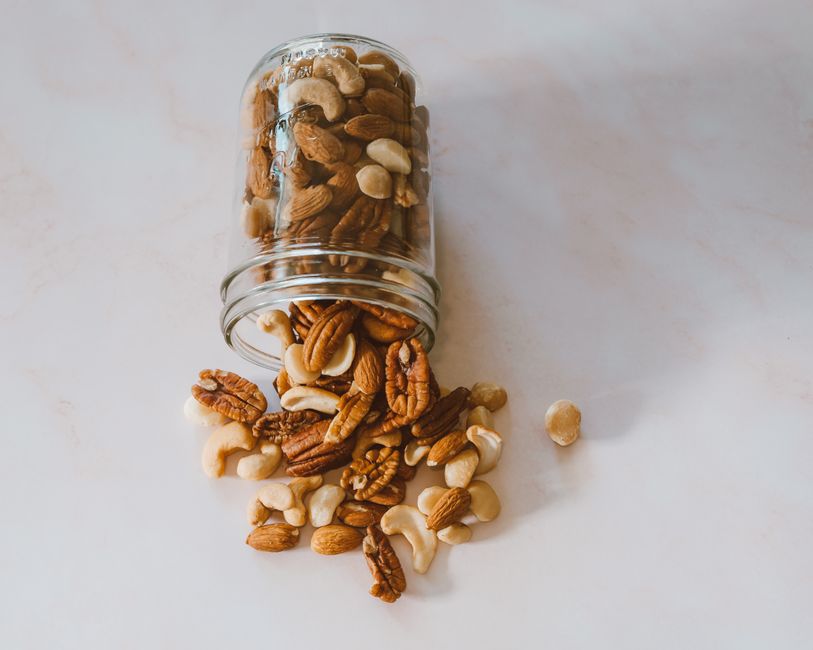
- Almonds, 1 ounce: about 6 grams
- Milk, 1 cup: about 8 grams
These figures reflect standard USDA nutritional data. Actual amounts vary slightly by brand and preparation method, but these are reliable averages for planning purposes.
Can You Eat Too Much Protein?
Healthy kidneys handle excess protein without difficulty. For people with normal kidney function, high protein intake does not cause kidney damage. This myth persists despite a lack of evidence supporting it.
People with existing kidney disease do need to limit protein. Damaged kidneys struggle to clear the waste products of protein metabolism. If you have kidney disease, follow your doctor’s protein recommendations rather than general guidelines.
Very high protein intakes above 2.5 grams per kilogram are not necessary for any health or performance goal. The evidence does not show additional benefit beyond the ranges discussed here. Extremely high intakes may cause digestive discomfort or displace other important nutrients in the diet.
Dehydration is a minor practical concern. Protein metabolism produces urea, which your kidneys excrete in urine. Drinking adequate water throughout the day easily handles this.
Protein Powder and Supplements
Whole foods should be your primary protein source. They provide protein along with vitamins, minerals, and fiber that supplements lack. Protein powders are a convenient option when you cannot meet your needs through food alone.
Whey protein is the most studied supplement. It digests quickly and contains all essential amino acids. Casein digests more slowly, making it popular before sleep. Plant-based powders from pea, rice, or hemp are viable alternatives for people who avoid dairy.
No clinical evidence indicates that protein supplements are superior to whole food protein. They are a practical tool, not a requirement. If you already eat adequate protein from food, supplements add no additional benefit.
Most people can meet their protein needs without supplements. A diet centered on whole foods with attention to protein at each meal is sufficient for the vast majority of healthy adults.
Frequently Asked Questions
Is 100 grams of protein per day too much?
For most adults, 100 grams is a reasonable and healthy amount. It falls within or above the recommended range for active individuals but is not excessive for healthy people.
How much protein do I need to build muscle?
Research supports 1.6 to 2.2 grams per kilogram of body weight daily for muscle gain. This works out to roughly 110 to 150 grams per day for a 150-pound person.
Can your body only absorb 30 grams of protein at once?
Your body absorbs all the protein you eat, but only about 20 to 40 grams per meal maximally stimulates muscle building. Excess protein in a single meal is used for energy or stored, not wasted.
Do I need more protein as I get older?
Yes, older adults generally need more protein to preserve muscle mass. The evidence points to 1.0 to 1.2 grams per kilogram of body weight for adults over 60.
