
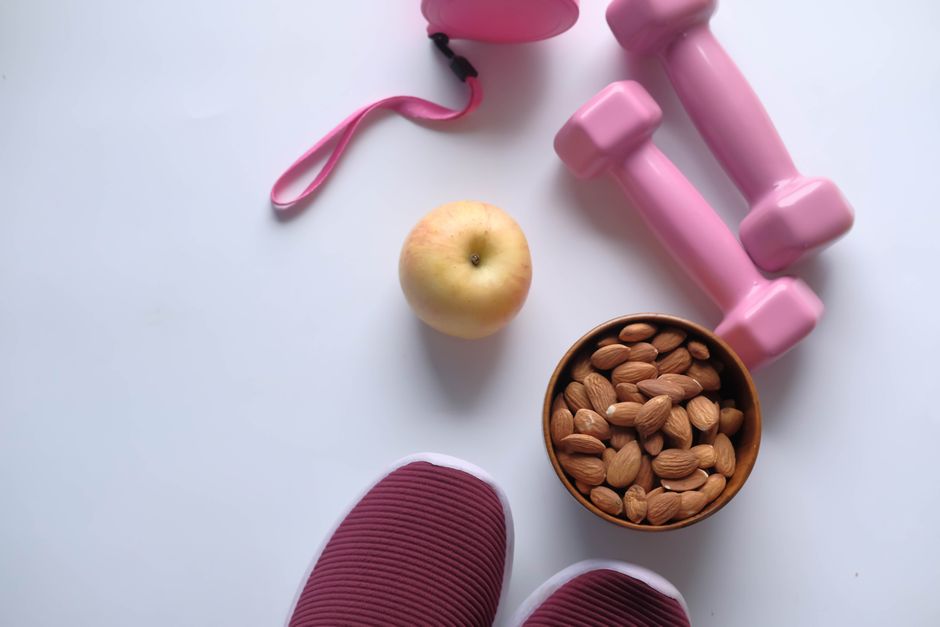
A 240 lb man needs roughly 130 to 175 grams of protein per day, depending on his activity level and goals. This range comes from standard sports nutrition guidelines of 1.2 to 1.6 grams per kilogram of body weight for active individuals. For a man weighing 240 pounds, that translates to a practical daily target that supports muscle maintenance, recovery, and general health.
How Much Protein Does A 240 Lb Man Need Daily?
The quick answer is 130 to 175 grams per day for most men at this weight. The exact number depends on how active you are and what you are trying to achieve. A sedentary man needs less. A man training hard needs more.
Here is the math. A 240 lb man weighs about 109 kilograms. Standard recommendations for protein intake are expressed in grams per kilogram of body weight. The general dietary allowance for adults is 0.8 grams per kilogram. For a 240 lb man, that works out to about 87 grams per day. That is the minimum to prevent deficiency, not the amount for optimal health or muscle support.
For active men, research consistently supports higher intake. The range of 1.2 to 1.6 grams per kilogram covers most active adults. At 109 kilograms, that gives you 131 to 174 grams per day. Bodybuilders and athletes in intense training may go up to 2.0 grams per kilogram, which would be about 218 grams for this weight, but most men do not need that much.
Does Activity Level Change Protein Needs?
Yes, and this is the biggest factor in where you land within the range. A man who works a desk job and does not exercise can meet his needs at the lower end of the range. A man lifting weights four or five days a week needs more.
Strength training creates micro-tears in muscle fibers. Protein provides the amino acids your body uses to repair those fibers and build them back stronger. Research shows that higher protein intake supports this process. Endurance athletes also need more protein than sedentary people, though often less than strength athletes.
If you are trying to lose weight, protein becomes even more important. Higher protein intake helps preserve lean muscle mass while you are in a calorie deficit. It also increases satiety, which means you feel fuller longer. Many men find it easier to stick to a calorie deficit when protein makes up a larger share of their diet.
For men over 40, protein needs may be slightly higher. Age-related muscle loss, called sarcopenia, begins in middle age. Some research suggests older adults benefit from protein intake at the higher end of the recommended range to slow this process.
How To Spread Protein Throughout The Day
Your body does not store protein the way it stores fat or carbohydrates. You need a steady supply throughout the day. Eating 40 grams of protein at dinner and almost none at breakfast is not ideal.
A practical approach is to aim for 30 to 40 grams of protein at each meal. For a 240 lb man targeting 150 grams daily, that means three meals with 35 to 40 grams each plus one or two snacks with 15 to 20 grams. This pattern keeps muscle protein synthesis active throughout the day.
Research indicates that spreading protein intake across meals is more effective than eating it all at once. Your body uses a portion of the protein you eat for immediate needs and the rest for repair and maintenance. Eating protein at regular intervals maximizes the benefit.
Post-workout protein matters, but not as much as marketing suggests. The old idea of a narrow “anabolic window” immediately after exercise has been largely debunked. What matters more is that you get adequate protein over the full day. A protein shake after training is convenient, but a meal within a few hours works just as well.




What Does 150 Grams Of Protein Look Like In Food?
Numbers are abstract until you translate them into food. Here is what a day at roughly 150 grams of protein looks like for a 240 lb man.
- Breakfast: 3 eggs and 2 slices of turkey bacon (about 25 grams)
- Lunch: 6 oz chicken breast with rice and vegetables (about 50 grams)
- Snack: Greek yogurt or a protein shake (about 20 grams)
- Dinner: 6 oz salmon or lean beef (about 50 grams)
That totals around 145 grams without even counting the protein in grains, vegetables, and other foods you eat throughout the day. Most men are closer to their target than they think once they start paying attention.
Whole foods should be your primary protein sources. Chicken, beef, fish, eggs, dairy, beans, and lentils are all excellent options. Plant-based eaters can meet the same targets with beans, tofu, tempeh, and seitan, though they may need slightly more total protein because plant proteins are less digestible than animal proteins.
Protein supplements are convenient but not necessary. Whey protein powder is a complete protein and easy to digest. Casein digests more slowly. Plant-based protein powders are available for those who avoid dairy. None of these are superior to whole foods. They are simply tools for convenience.
Can You Eat Too Much Protein?
Healthy men can tolerate protein intake well above the recommended range. The concern about protein damaging kidneys comes from people who already have kidney disease. For healthy kidneys, high protein intake has not been shown to cause harm.
The research on this is fairly clear. Studies have not found that high protein diets damage kidney function in healthy adults. The fear is based on the fact that protein is processed by the kidneys, but healthy kidneys simply adapt to handle the load.
That said, there is no benefit to extreme protein intake. Eating 300 grams of protein per day does not build more muscle than eating 175 grams. Your body has an upper limit on how much protein it can use for muscle building in a day. The rest gets used for energy or stored as fat.
If you have kidney disease or diabetes, talk to your doctor before significantly increasing your protein intake. These conditions change how your body processes protein, and your needs may be different.
Protein Needs For Weight Loss And Muscle Gain
For muscle gain, the evidence points to 1.6 to 2.2 grams per kilogram of body weight. For a 240 lb man, that is 174 to 239 grams per day. The higher end of this range is for men in serious bodybuilding programs with intense training volume.
For weight loss, the recommendation is similar. When you cut calories, your body is more likely to break down muscle for energy. Higher protein intake protects against this. Many men who are losing weight aim for 1.6 to 2.0 grams per kilogram to preserve muscle while losing fat.
For general health and maintenance, 1.2 to 1.6 grams per kilogram is sufficient. This supports normal muscle maintenance, immune function, and tissue repair without requiring you to plan every meal around protein.
One thing to note: protein needs scale with body weight, but they do not scale perfectly. A 240 lb man who is 20% body fat and a 240 lb man who is 35% body fat have different needs. Some experts recommend calculating protein based on lean body mass rather than total body weight. That is more accurate but harder to calculate without body composition testing.
For practical purposes, using total body weight works fine. The range is wide enough that it covers most individual differences. If you are at the higher end of the range and gaining unwanted weight, drop toward the middle. If you are at the lower end and not seeing recovery or muscle gains, move up.
Frequently Asked Questions
Is 200 grams of protein too much for a 240 lb man?
No, 200 grams is within the range recommended for active men at this weight. It is appropriate for someone training intensely or trying to preserve muscle during weight loss.
How much protein does a sedentary 240 lb man need?
A sedentary 240 lb man needs about 87 grams per day to prevent deficiency. Most men will benefit from slightly more, around 110 to 130 grams, even without regular exercise.
Does protein intake need to change as you age?
Yes, older men often benefit from higher protein intake to slow age-related muscle loss. Research suggests men over 50 aim for the higher end of the recommended range.
