
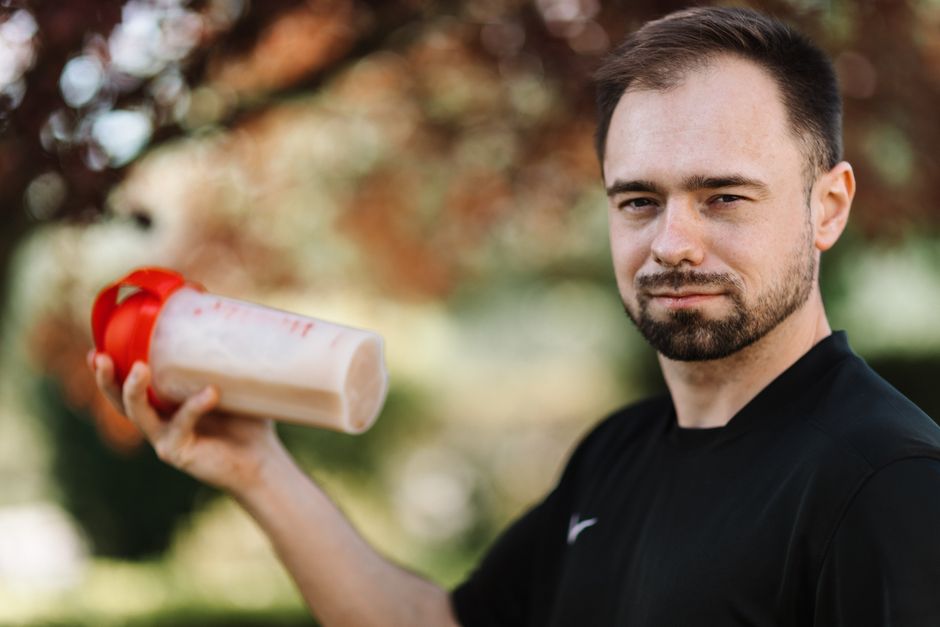
Protein powder is a popular tool for building muscle, recovering from workouts, and meeting daily protein needs. But how often you should drink it depends on your goals, your diet, and how much protein you are already getting from food. For most healthy adults, drinking one protein shake per day is enough to meet or supplement their protein targets, and many people do not need any protein powder at all if they eat a balanced diet. The right frequency is not about a magic number — it is about filling a genuine gap between what your body needs and what your food provides.
What Does Protein Powder Actually Do?
Protein powder is a concentrated source of dietary protein, usually made from whey, casein, soy, pea, or other sources. Your body breaks it down into amino acids, which are the building blocks for muscle tissue, enzymes, hormones, and other essential structures. Consuming protein after resistance training helps stimulate muscle protein synthesis, the process by which your body repairs and builds new muscle fibers.
Studies consistently show that total daily protein intake matters more than the precise timing of a single shake. If you eat enough protein across your meals, the exact moment you drink a shake is less critical. Research indicates that spreading protein evenly across meals — roughly 20 to 40 grams per meal for most adults — supports muscle maintenance and growth better than eating most of your protein in one sitting.
Protein powder is not a drug and it is not magical. It is simply a convenient way to get protein when whole foods are not practical or available. A shake after a workout is convenient, but a chicken breast, eggs, or Greek yogurt work just as well for most people.
How Many Protein Shakes Per Day Is Right for You?
For most healthy adults, one protein shake per day is sufficient. This is especially true if you are already eating meat, fish, eggs, dairy, beans, or other protein-rich foods. The recommended dietary allowance for protein is 0.8 grams per kilogram of body weight per day for sedentary adults. That works out to roughly 55 grams for a 150-pound person and 65 grams for a 180-pound person.
People who exercise regularly need more. Athletes and active individuals often benefit from 1.2 to 2.0 grams per kilogram of body weight daily. For a 170-pound person, that means roughly 93 to 155 grams of protein per day. Reaching those numbers through food alone is possible but can require planning. A single protein shake containing 25 to 30 grams of protein can help close that gap without adding excessive calories.
Two shakes per day may be appropriate for certain groups. Bodybuilders during a bulking phase, competitive athletes with high training volumes, or older adults struggling to maintain muscle mass may benefit from splitting their protein intake across more shakes. But for the average person who goes to the gym three or four times a week, two daily shakes is usually more than necessary.
More than two shakes per day is rarely justified. If you find yourself drinking three or four shakes daily, the issue is likely your food choices, not your protein needs. Whole foods provide fiber, vitamins, minerals, and other nutrients that protein powder does not offer in meaningful amounts.
How Often Should You Drink Protein Powder on Rest Days?
Your muscles do not stop repairing on rest days. In fact, recovery happens primarily during the 24 to 48 hours after your workout. Your daily protein needs remain elevated on rest days, even though you are not actively exercising. Missing protein on rest days can slow recovery and reduce the benefits of the work you did earlier in the week.
That said, you do not need a shake on rest days if your food intake covers your needs. A rest day with eggs at breakfast, chicken at lunch, and fish at dinner will likely provide enough protein without any powder. If your meals are lighter or you struggle to hit your target, one shake on a rest day is perfectly reasonable.
The bigger picture is consistency. Research shows that daily protein intake, not just post-workout intake, is what drives muscle growth and maintenance. Whether you drink a shake on rest days or not matters far less than whether your total daily protein stays adequate every day of the week.



Is It Bad to Drink Protein Powder Every Day?
No. Drinking protein powder daily is safe for healthy adults when used as a supplement rather than a meal replacement. The FDA does not set a maximum safe dose for protein, but research suggests that intakes up to 3.5 grams per kilogram of body weight per day are safe for healthy people. That is far more than most people consume.
Some people worry about kidney damage from high protein intake. In healthy individuals, this concern is not supported by evidence. People with pre-existing kidney disease should consult their doctor about protein intake, because damaged kidneys may struggle to clear protein waste products. But for people with healthy kidneys, high protein intake has not been shown to cause harm.
One real risk is relying too heavily on shakes at the expense of whole foods. Protein powder does not contain the fiber, antioxidants, and micronutrients found in whole foods. If shakes replace too many meals, you can end up deficient in nutrients that have nothing to do with protein. Use powder to supplement your diet, not to replace it.
Does Timing Matter for Protein Powder?
For most people, the anabolic window — the idea that you must consume protein within 30 to 60 minutes after a workout or you lose the gains — is overstated. Research indicates that total daily protein intake is the dominant factor. Meeting your protein needs across the day matters more than the exact timing of any single shake.
That said, having protein after a workout is not useless. It is convenient, and it does help you reach your daily total. If you train fasted or have gone several hours without eating, a post-workout shake can help kickstart recovery. But if you ate a protein-rich meal two hours before training, a shake immediately afterward is not critical.
Consistency beats timing. A person who drinks one shake per day at a consistent time will likely see better results than someone who obsesses over the perfect post-workout window but misses protein on other days.
Whole Foods vs. Protein Powder: Which Is Better?
Whole foods are generally better than protein powder for overall nutrition. A serving of chicken, fish, eggs, or legumes provides protein along with iron, zinc, B vitamins, fiber, and other compounds your body needs. Protein powder provides protein and little else. For this reason, food should be your primary protein source, and powder should fill the gaps.
Protein powder has advantages in specific situations. It is portable, requires no cooking, digests quickly, and is easy to consume when your appetite is low. Older adults who struggle to eat enough, athletes who need large amounts of protein, and busy people who cannot sit down for a meal all benefit from the convenience.
There is no evidence that protein powder is harmful, and there is no evidence that it is superior to food for muscle growth. Both work. The best choice is the one that fits your lifestyle and helps you meet your protein target consistently.
How to Tell If You Need More or Less Protein Powder
Your body gives you signals, but they are not always obvious. If you are consistently sore, losing muscle, or struggling to recover between workouts, you may not be eating enough protein. If your meals already include protein at every sitting and you feel strong and well-recovered, you may not need powder at all.
A simple way to check is to track your protein intake for a few days. Use a food app or read nutrition labels to estimate your daily grams. Compare that number to the target range of 0.8 to 2.0 grams per kilogram of body weight, depending on your activity level. The difference between your current intake and your target is what a shake should cover.
There is no blood test that tells you exactly how much protein you need. The evidence base is built on population averages, and individual needs vary. Start with the general guidelines, adjust based on how you feel and perform, and keep your diet varied.
Frequently Asked Questions
Can I drink protein powder twice a day?
Yes, if your total protein needs are high and you cannot meet them through food alone. Two shakes per day is safe for healthy adults, but most people only need one.
Is it okay to drink protein powder without working out?
Yes, but only if you are not meeting your protein needs through food. If you are sedentary and already eat enough protein, extra powder provides no additional benefit.
Should I drink protein powder every day?
Daily use is safe and can help you stay consistent with your protein goals. Just make sure whole foods remain the foundation of your diet.
Can too much protein powder cause weight gain?
Any excess calories, including from protein, can cause weight gain. A shake adds roughly 100 to 150 calories, which matters only if you are already eating more than you burn.
