
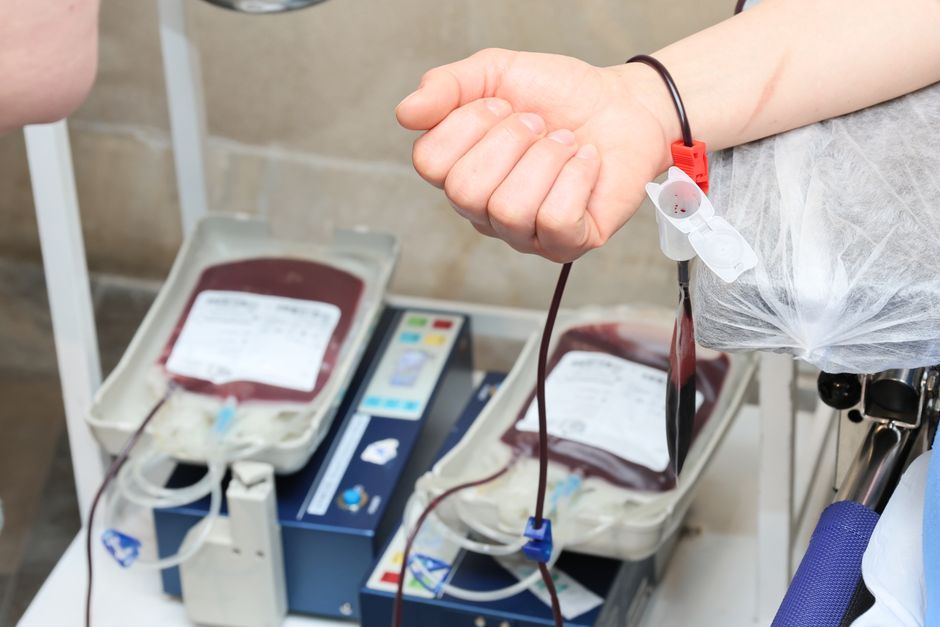
If you are donating blood through a standard blood bank like the American Red Cross, you get zero money. No cash, no check, no gift card. That is the simple truth for whole blood donations in the United States. Plasma donation is different. You can get paid for that, typically $20 to $50 per visit depending on where you go and how often you donate. Platelet donation sometimes comes with a small stipend or gift card, usually $10 to $25. But the short answer for most people asking “How much money do you get giving blood?” is nothing at all.
Why Don’t Blood Banks Pay for Whole Blood?
The Food and Drug Administration (FDA) regulates blood donation in the U.S. The FDA does not ban paying for blood, but it strongly discourages it for whole blood. The concern is safety. When people are paid, they may lie about their health history to qualify. This raises the risk of transmitting infections like HIV or hepatitis.
The American Red Cross and other major blood banks follow a voluntary model. They rely on unpaid donors. This is also the standard in most developed countries. The World Health Organization recommends voluntary unpaid donations as the safest source. So the system is built on trust, not payment.
Some blood centers do offer incentives. These are not cash. They might be a T-shirt, a coupon for a free movie ticket, or a $5 coffee gift card. But this is not payment. It is a small thank-you. The value is rarely more than $10.
How Much Money Do You Get Giving Plasma?
Plasma donation is where you can actually make money. Unlike whole blood, plasma is collected through a process called plasmapheresis. Your blood is drawn, the plasma is separated, and the red blood cells are returned to your body. This takes longer, about 90 minutes per session.
Commercial plasma centers like CSL Plasma and BioLife pay donors. The amount varies by location, your weight, and how often you donate. First-time donors often get a bonus, sometimes $100 per donation for the first few visits. Regular donors earn less, typically $20 to $50 per session.
If you donate twice a week, which is the maximum allowed, you can earn $160 to $400 per month. Some centers offer loyalty bonuses or referral fees. A 2023 report from the Plasma Protein Therapeutics Association found that the average annual earnings for a regular plasma donor in the U.S. is about $1,200 to $2,400.
It is important to understand that plasma donation is not a side hustle you can do forever. The FDA limits how often you can donate. You can donate plasma up to two times in a seven-day period, with at least 48 hours between donations. Your body needs time to replenish the proteins and antibodies removed.
Do You Get Paid for Platelet Donation?
Platelet donation is less common than whole blood or plasma. Platelets are the cells that help blood clot. They are used for cancer patients, trauma victims, and people with bleeding disorders. Platelets have a short shelf life, only five days, so blood banks need regular donors.
Some blood centers pay platelet donors. The American Red Cross does not pay for platelets, but some regional centers do. The payment is usually $10 to $25 per donation. Sometimes it is a gift card instead of cash. A few centers offer a small stipend of $20 per session.
Platelet donation takes longer than whole blood, about two to three hours. You sit in a chair while a machine draws your blood, spins out the platelets, and returns the rest. Some donors find the time commitment not worth the small payment. Others do it because they know platelets are desperately needed.
A 2022 survey by the AABB (formerly the American Association of Blood Banks) found that only about 15% of platelet donors in the U.S. receive any form of compensation. Most do it for altruistic reasons. If you are looking strictly at money, platelet donation is not a reliable income source.




Can You Donate Blood for Money in Other Ways?
There are a few niche options, but they come with serious caveats. Some research studies pay for blood draws. These are not blood donations for transfusion. They are for medical research. Payments range from $50 to $200 per visit depending on the study. You can find these through university hospitals or clinical trial registries.
Directed donation is another rare scenario. This is when a patient needs blood from a specific person, usually a family member. In some cases, the donor is compensated, but this is uncommon and often against hospital policy. The American Medical Association discourages paying for directed donations.
There is also the black market. Some people sell blood illegally online or through private arrangements. This is dangerous. You have no safety protections. The blood is not screened properly. You risk infection, legal trouble, and harming the recipient. Do not do this.
As of 2026, there is no legal way in the U.S. to sell your whole blood for transfusion. Plasma is the only FDA-regulated product you can sell. Even then, the money is modest. It is not a living wage.
What About Donating Blood for Money in Other Countries?
Other countries have different rules. In Germany, you can get paid for whole blood. Donors receive about $20 to $30 per donation. In Austria, paid blood donation is legal and common. In the United Kingdom, all blood donation is voluntary and unpaid, just like the U.S.
Some countries pay for plasma only. Canada does not pay for whole blood but pays for plasma at private centers. The Canadian Blood Services does not pay, but commercial plasma centers do. Australia has a mixed system. Whole blood is unpaid, but plasma donors can receive small payments in some states.
The World Health Organization recommends against paying for blood. The WHO states that voluntary unpaid donations are the safest. Countries that pay for blood tend to have higher rates of transfusion-transmitted infections. A 2019 study in the journal Transfusion found that paid donors were 2.5 times more likely to test positive for bloodborne pathogens compared to unpaid donors.
If you are traveling and considering selling blood, be cautious. Laws vary. The quality of screening varies. Your health and the recipient’s health are at risk. Stick to regulated centers in your own country.
What Are the Hidden Costs of Donating Blood?
Donating blood is not free for you in terms of time and energy. A whole blood donation takes about 10 minutes of actual draw time, but the whole visit is about an hour. That includes the health screening, the donation itself, and the recovery time with snacks. Plasma takes 90 minutes per session. Platelets take two to three hours.
Some people experience side effects. Lightheadedness, fainting, bruising, and fatigue are common. A 2021 study in the Journal of Clinical Apheresis found that about 2% of blood donors experience a vasovagal reaction, which is a drop in heart rate and blood pressure that can cause fainting. This is more common in first-time donors and people with low body weight.
You also need to eat well before and after donation. Iron levels drop after whole blood donation. It takes about four to eight weeks for your body to fully replace the red blood cells. During that time, you may feel more tired than usual. Some people need iron supplements, which is an added cost.
There is also the opportunity cost. The time you spend donating could be spent working or doing something else. For most people, the small payment for plasma or platelets does not make up for the time lost. If you value your time at $20 per hour, donating plasma for $30 over 90 minutes is not a great deal.
Frequently Asked Questions
How much money do you get giving blood at the Red Cross?
The American Red Cross does not pay for blood donations. They offer non-monetary incentives like T-shirts or small gift cards worth about $5 to $10 for certain donation types.
How much money do you get giving plasma for the first time?
First-time plasma donors often receive a bonus payment of $50 to $100 per donation for the first few visits, depending on the center and location.
Can you make a living donating plasma?
No. The maximum you can earn from plasma donation is about $400 per month, and that requires donating twice every week. This is not enough to live on.
Is donating blood for money safe?
Donating plasma at a regulated commercial center is generally safe. Selling whole blood for cash is illegal in the U.S. and carries serious health risks for both donor and recipient.
