
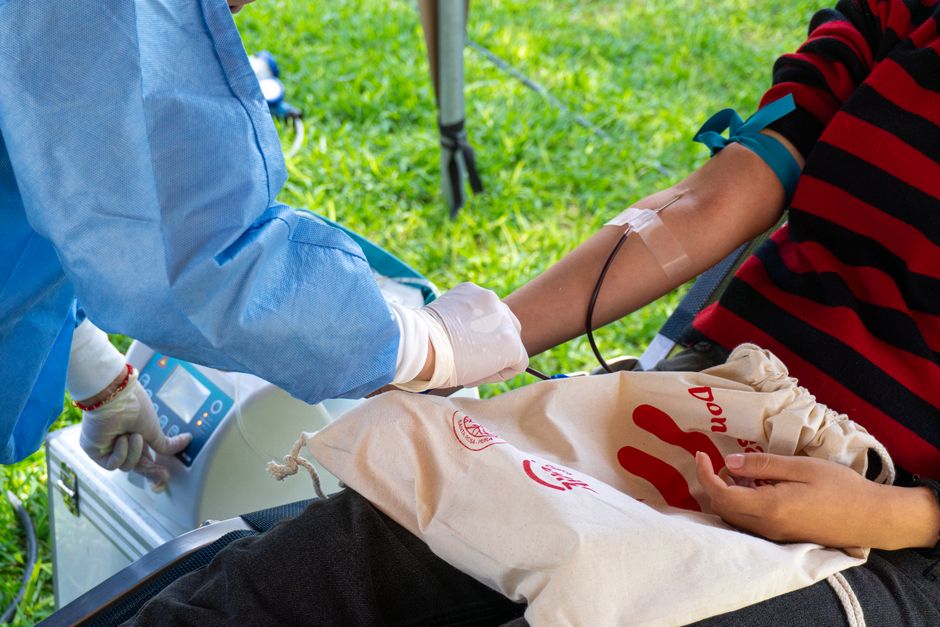
Fainting after giving blood is a common reaction, and it usually happens because your body’s nervous system overreacts to the sight of blood or the needle. This triggers a sudden drop in heart rate and blood pressure, which reduces blood flow to your brain and causes you to lose consciousness briefly. It is not a sign of weakness or a serious health problem for most people, and it typically resolves within a few minutes once you are lying down with your feet elevated.
Why Did I Faint After Giving Blood? The Reason
The medical term for fainting after a blood draw is vasovagal syncope. It is a reflex that some people have when they experience stress, pain, or fear. The vagus nerve, which helps control your heart rate and blood pressure, gets overstimulated. This causes your heart to slow down and your blood vessels in the legs to widen suddenly.
Blood pools in your lower body instead of returning to your heart. Your blood pressure drops quickly. Your brain does not get enough oxygen, and you pass out. This is not a heart problem. It is a temporary misfiring of a normal nerve reflex.
What Does a Vasovagal Reaction Feel Like?
Most people do not faint without warning. There are usually clear signs that a reaction is starting. Recognizing these signs can help you take action before you actually lose consciousness.
Common warning symptoms include:
- Feeling lightheaded or dizzy
- Skin turning pale or clammy
- Nausea or a churning stomach
- Blurred or tunnel vision
- Ringing in the ears
- Feeling suddenly hot or breaking into a sweat
- Weakness in the legs
If you feel any of these during or after a blood draw, tell the phlebotomist immediately. They are trained to help you. The goal is to get you lying down or sitting with your head between your knees before you faint.
Who Is More Likely to Faint During a Blood Draw?
Some people are more prone to vasovagal reactions than others. Young adults, especially those in their late teens and twenties, have higher rates of fainting during blood draws. Women are also slightly more likely to experience this reaction than men.
People who have a history of fainting in response to needles, blood, or medical procedures are more likely to have the same reaction again. Fasting for a long time before giving blood can also increase your risk. Being dehydrated, sleep-deprived, or anxious about the procedure can make a reaction more likely as well.
Having a smaller body size or low blood pressure at baseline does not necessarily mean you will faint, but it can make you more sensitive to the sudden drop in blood pressure that triggers the reaction.




Is Fainting After Giving Blood Dangerous?
For most healthy people, a vasovagal reaction is not dangerous. The body recovers quickly once you are lying flat. The main risk is injury from falling if you faint while standing or sitting upright without support.
In rare cases, a person can have a more severe reaction. This might include prolonged loss of consciousness or a brief seizure-like episode caused by the brain being without oxygen for a few seconds. These events look alarming but are generally not harmful and do not indicate epilepsy or a neurological disorder.
There are some situations where fainting could point to something more serious. If you faint and do not wake up within a minute or two, or if you have chest pain, an irregular heartbeat, or shortness of breath, seek emergency medical care. These symptoms are not typical of a simple vasovagal reaction.
What Should You Do Immediately After Fainting?
The most important thing is to stay down. Do not try to stand up right away. Your blood pressure needs time to stabilize. Lying flat with your legs elevated helps blood return to your brain faster.
Once you feel fully alert, sit up slowly. Wait a few minutes before standing. When you do stand, do it gradually and hold onto something stable. Many people feel fine after fainting and then faint again because they stand up too quickly.
After you recover, drink water and eat a light snack. This helps replace fluids and restore your blood sugar if you had not eaten recently. Avoid caffeine and alcohol for the rest of the day. Do not drive yourself home if you still feel dizzy or weak.
How to Prevent Fainting Before Your Next Blood Draw
You can take several steps to reduce your chances of fainting the next time you give blood. These strategies are simple and supported by common clinical practice.
- Eat a normal meal a few hours before your appointment
- Drink plenty of water in the hours leading up to the draw
- Tell the phlebotomist that you have fainted before
- Request to lie down during the blood draw
- Distract yourself with music, a phone conversation, or deep breathing
- Clench and relax your leg muscles during the draw to keep blood moving
- Look away when the needle goes in
One technique that has gained attention is applied muscle tension. This involves tensing the muscles in your arms, legs, and buttocks for about 15 seconds, then relaxing. Repeating this during the blood draw can help raise your blood pressure and prevent fainting. Some research suggests this technique is effective, though it does not work for everyone.
When Should You Not Give Blood?
There are times when you should postpone donating blood. If you are actively sick with a fever, cough, or infection, you should wait until you recover. If you have not eaten or drunk enough fluids, reschedule your appointment.
People with certain medical conditions should not donate blood at all. These include some heart conditions, bleeding disorders, and certain chronic infections. Blood donation centers screen donors carefully. Answer their questions honestly. This is for your safety and for the safety of the person receiving the blood.
If you have fainted multiple times during blood draws, talk to your doctor before donating again. There is no official medical rule that prevents you from donating after fainting, but your doctor can help you decide whether it is safe for you.
Does Fainting Affect the Quality of Your Blood?
No. The blood that was collected before you fainted is not affected by your reaction. Vasovagal syncope changes your heart rate and blood pressure temporarily. It does not change the composition of the blood that was already drawn.
However, if you faint during the donation, the collection may be stopped early. Blood centers have limits on how much blood they can take and how long a donation can take. If the process is interrupted, the unit of blood may not be usable. This is why it is important to tell the staff if you feel unwell early, rather than trying to push through.
Is Fainting a Sign of Anemia or Low Iron?
Not usually. Fainting during a blood draw is most often a nervous system reaction, not a sign of anemia. Anemia can cause dizziness and lightheadedness, but it does not typically cause you to faint specifically at the moment a needle enters your arm.
That said, people with undiagnosed anemia may feel more lightheaded after losing a unit of blood. If you feel unusually tired, weak, or short of breath in the days after giving blood, it is reasonable to mention this to your doctor. A simple blood test can check your iron levels.
Blood donation centers check your hemoglobin before every donation. If your hemoglobin is too low, they will not let you donate. This screening helps protect you from becoming anemic after donation.
What If You Faint Hours After Giving Blood?
Fainting hours after a blood draw is less common but can happen. This is usually related to dehydration, not eating enough, or standing up too quickly after the donation. Your body has lost about a pint of fluid, and it takes time to replace that volume.
If you feel lightheaded later in the day, lie down and rest. Drink fluids and eat something salty. Salt helps your body retain water and restore blood volume. If you faint more than once in a day, or if you faint and hit your head, contact a healthcare provider.
Frequently Asked Questions
How long does it take to recover from fainting after giving blood?
Most people feel back to normal within 15 to 30 minutes. Full recovery of your blood volume takes a few days, but the faint feeling itself usually passes quickly once you are lying down.
Can I give blood again if I fainted the last time?
Yes, you can usually donate again. Tell the blood center staff about your previous reaction so they can take precautions like having you lie down and offering extra fluids.
Should I eat before giving blood to prevent fainting?
Yes. Eating a normal meal a few hours before your appointment and drinking water helps maintain your blood sugar and blood pressure during the donation.
What is the difference between fainting and feeling dizzy after giving blood?
Dizziness is a mild sense of lightheadedness that does not cause you to lose consciousness. Fainting means you actually pass out. Dizziness is often a warning sign that fainting may follow if you do not sit or lie down.
