
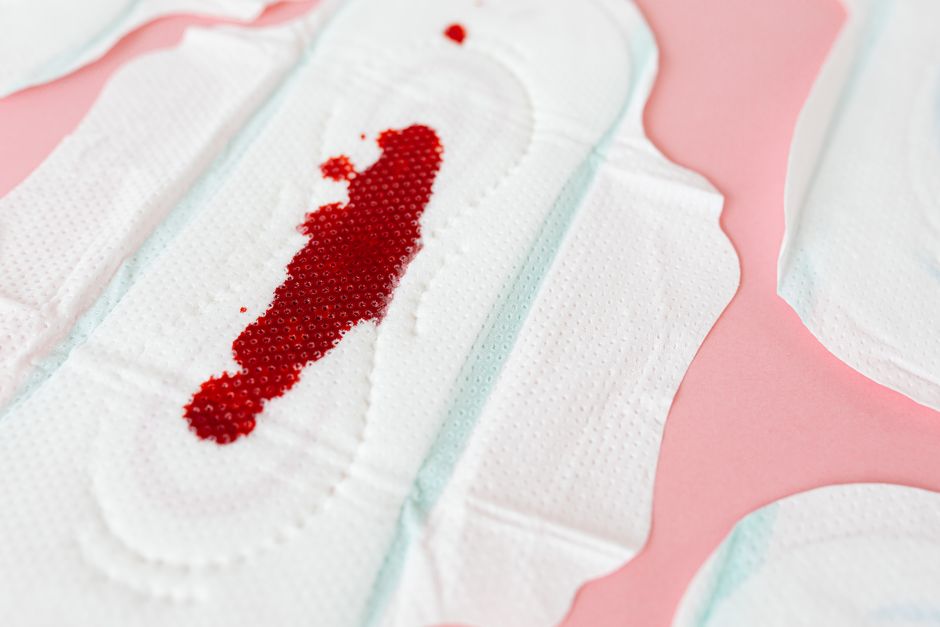
The average adult human body holds about 10.5 pints of blood. That is the number for a person weighing roughly 160 pounds. Your own number depends mostly on your body size. A smaller person has less blood. A larger person has more. This is not a guess. It is a well-established physiological range.
How Much Blood In The Human Body Pints Is Normal?
For most adults, the range is 8 to 12 pints. The standard medical reference is that blood volume equals about 7 to 8 percent of your body weight. A 150-pound person has roughly 10 to 11 pints. A 200-pound person has around 13 to 14 pints. Children have less blood because they are smaller. A newborn baby has about one cup of blood, which is less than half a pint.
Blood volume changes slightly with sex. Men tend to have more blood than women of the same size. This is partly because men generally have more muscle mass, which requires more blood flow. Pregnancy increases blood volume by 30 to 50 percent to support the baby. These are normal variations, not problems.
What Determines Your Exact Blood Volume?
Body weight is the biggest factor. But it is not the only one. Body composition matters too. Muscle tissue holds more blood than fat tissue. That is why two people at the same weight can have different blood volumes. The person with more muscle will have slightly more blood.
Altitude also plays a role. People who live at high altitudes have more blood. Their bodies adapt to lower oxygen by producing extra red blood cells. This increases total blood volume. Someone moving from sea level to 10,000 feet may see a 10 to 15 percent increase in blood volume over several weeks. The body does this naturally without any medical help.
Medical conditions can change blood volume too. Kidney disease, heart failure, and some hormone disorders can cause fluid retention that increases blood volume. On the other side, dehydration, severe burns, or chronic bleeding can lower it. These are not normal variations. They are signs that something needs medical attention.
How Do Doctors Measure Blood Volume?
Doctors do not usually measure total blood volume directly. It is not a routine test like blood pressure or cholesterol. But when they need to, they use a method called a blood volume study. A small amount of radioactive tracer is injected into a vein. The tracer mixes with the blood. A machine then measures how much it dilutes. The dilution tells the doctor exactly how many pints of blood are circulating.
This test is mostly used for people with unexplained symptoms like severe fatigue, low blood pressure, or swelling. It is also used before major surgeries or for people with complex medical conditions. For most healthy people, the estimate based on weight and height is accurate enough. Your doctor can calculate your expected blood volume using your body surface area, which is a formula that uses your height and weight.



What Happens When You Lose Blood?
Losing blood triggers a cascade of responses in your body. Losing one pint, which is a typical blood donation, is safe for most healthy adults. Your body replaces the fluid within 24 to 48 hours. The red blood cells take longer, about four to six weeks, to fully replenish. That is why blood donation centers ask you to wait eight weeks between donations.
Losing two pints is where things start to get serious. You may feel lightheaded, weak, and pale. Your heart rate increases as your body tries to maintain blood flow to vital organs. Losing three pints or more is a medical emergency. Blood pressure drops. Organs begin to shut down. This is called hemorrhagic shock and requires immediate transfusion. The body cannot replace that much blood on its own fast enough.
The severity depends on how fast the blood is lost. A slow bleed over days or weeks allows the body to adapt. You might not notice symptoms until the loss is significant. A fast bleed from an injury is much more dangerous because the body has no time to compensate.
How Much Blood Do Blood Transfusions Give?
A single unit of donated blood is about one pint. That is the standard amount in a transfusion bag. Most transfusions give one or two units at a time. The decision depends on how much blood was lost and how the person is doing. Doctors do not transfuse based on a fixed number. They look at the patient’s symptoms, blood pressure, heart rate, and lab values like hemoglobin.
Hemoglobin is the protein in red blood cells that carries oxygen. A normal hemoglobin level for a man is 13.5 to 17.5 grams per deciliter. For a woman, it is 12.0 to 15.5. When hemoglobin drops below 7 or 8, most doctors consider a transfusion. But there is no universal cutoff. A young healthy person can tolerate a lower hemoglobin than an older person with heart disease. The goal is always to relieve symptoms, not to hit a specific number on a chart.
Can Your Blood Volume Be Too High?
Yes, though it is less common than low blood volume. The medical term is hypervolemia. It happens when the body retains too much fluid. This dilutes the blood and puts extra strain on the heart. Symptoms include swelling in the legs and ankles, shortness of breath, and high blood pressure. Heart failure and kidney disease are the most common causes. So is drinking too much water in a short time, though that is rare.
Treatment focuses on the underlying cause. Diuretics, often called water pills, help the kidneys remove excess fluid. Limiting salt intake also helps because salt makes the body hold onto water. In severe cases, doctors may use a procedure called ultrafiltration, which removes fluid directly from the blood. This is not something most people will ever need. But it is important to know that both too little and too much blood can cause problems.
Does Blood Volume Change With Age?
Blood volume decreases slightly with age. This happens because total body water decreases as we get older. Older adults also tend to lose muscle mass, which reduces the amount of blood the body needs. The change is gradual and usually not a problem. But it does mean that older adults are more vulnerable to dehydration. A small fluid loss that a younger person would not notice can cause significant symptoms in an older person.
This is also why older adults are more likely to feel dizzy when they stand up quickly. The condition is called orthostatic hypotension. It happens when blood pools in the legs and the heart cannot pump enough to the brain fast enough. Staying hydrated and moving slowly when standing can help. If it happens often, a doctor should check for underlying causes.
Frequently Asked Questions
How many pints of blood does a 150-pound person have?
A 150-pound person has about 10 to 11 pints of blood. This is based on the standard calculation that blood is about 7 to 8 percent of body weight.
How much blood can you lose before it becomes dangerous?
Losing 2 pints or more is considered serious and requires medical attention. Losing 3 pints or more is life-threatening and requires immediate emergency care.
How long does it take to replace a pint of blood?
The fluid portion is replaced within 24 to 48 hours. The red blood cells take 4 to 6 weeks to fully replenish, which is why blood donors must wait 8 weeks between donations.
Does blood volume change during pregnancy?
Yes, blood volume increases by 30 to 50 percent during pregnancy. This extra blood supports the growing baby and prepares the body for blood loss during childbirth.
