
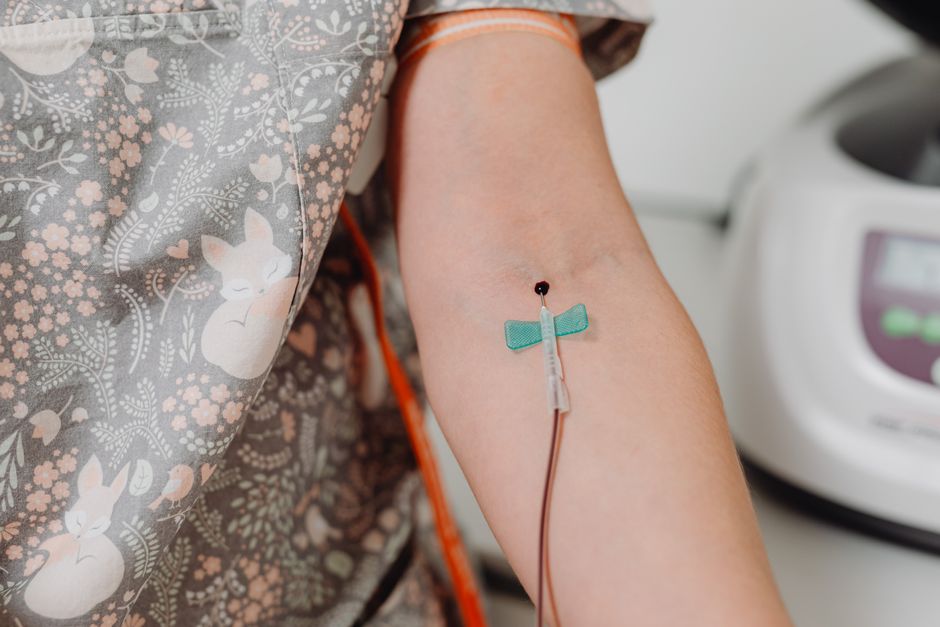
An average adult human body contains about 10 pints of blood. But the exact amount depends on your size, sex, and overall health. This guide explains how blood volume works, how it is measured, and what the numbers mean for your health.
How Much Blood Does the Average Adult Have in Pints?
Blood volume is usually measured in liters in medical settings. But since many people ask in pints, here is the direct answer. A typical adult male has between 10 and 12 pints of blood. A typical adult female has between 8 and 9 pints. These numbers come from the fact that blood makes up about 7 to 8 percent of your total body weight.
To put it another way, a person weighing 150 pounds has roughly 10 to 11 pints of blood. Someone weighing 180 pounds may have 12 to 13 pints. Children have less blood because they are smaller. A child who weighs 50 pounds may have about 3 to 4 pints. As children grow, their blood volume increases in proportion to their body size.
Why Do Blood Volume Numbers Vary from Person to Person?
Your blood volume is not a fixed number. It changes based on several factors. The most important one is body size. A larger body needs more blood to supply oxygen and nutrients to all its tissues. That is why men, who tend to be larger, typically have more blood than women. Body composition also matters. Muscle tissue requires more blood flow than fat tissue, so a muscular person may have a slightly higher blood volume than a person of the same weight with more body fat.
Pregnancy is another major factor. During pregnancy, a woman’s blood plasma volume increases by 30 to 50 percent to support the growing baby. This means a pregnant woman may have 1.5 to 2 extra pints of blood by the third trimester. After delivery, blood volume returns to normal over several weeks.
Certain medical conditions can also alter blood volume. For example, kidney disease, heart failure, or severe dehydration can reduce blood volume. On the other hand, conditions like polycythemia vera cause the body to produce too many red blood cells, increasing blood volume. If you are concerned about your blood volume, a doctor can check it with simple blood tests or imaging.
How Is Blood Volume Measured?
Doctors rarely measure total blood volume directly in routine care. Instead, they estimate it using formulas based on your height, weight, and sex. One common formula is the Nadler method. For men: blood volume in liters = (0.3669 × height in meters³) + (0.03219 × weight in kg) + 0.6041. For women: (0.3561 × height in meters³) + (0.03308 × weight in kg) + 0.1833. These formulas give a good estimate for most people.
In special situations, such as severe blood loss or before major surgery, doctors can measure blood volume more precisely. They use a technique called dye dilution. A small amount of a safe dye is injected into a vein. After it mixes with the blood, a sample is taken. The concentration of the dye tells the doctor how much blood is present. This method is accurate but not needed for everyday health checks.
For blood donors, the most relevant measurement is hemoglobin level. Blood banks check hemoglobin to ensure you have enough red blood cells to donate safely. They do not measure total blood volume, but they use weight-based minimums. In the United States, donors must weigh at least 110 pounds, and the amount of blood taken is about one pint — roughly 10 percent of an average person’s total volume.





How Much Blood In The Body Pints? A Quick Reference by Weight
If you want a rough idea of your own blood volume in pints, use this simple guideline. For every pound of body weight, you have about 0.07 pints of blood. Multiply your weight in pounds by 0.07 to get an estimate. For example:
- 120 pounds: about 8.4 pints
- 150 pounds: about 10.5 pints
- 180 pounds: about 12.6 pints
- 200 pounds: about 14 pints
Remember, these are estimates. Your actual blood volume may be slightly higher or lower. But they give you a useful ballpark figure. For most healthy adults, the range of 8 to 12 pints covers the vast majority of people.
What Happens to Blood Volume When You Donate Blood?
When you donate blood, you give about one pint. That is roughly one-tenth of your total blood volume. Your body responds quickly. Within 24 hours, your plasma volume is restored. Your red blood cells take longer — about four to six weeks to fully replenish. That is why men can donate every 8 weeks and women every 12 weeks in many blood donation programs. The different intervals exist because women tend to have lower iron stores and blood volume.
Losing one pint of blood is safe for most healthy adults. Your body compensates by increasing heart rate and constricting blood vessels to maintain blood pressure. If you lose more than 30 percent of your blood volume (about 3 to 4 pints for an average adult), you are at risk for hemorrhagic shock. This is a medical emergency. But for a single donation, the loss is well within your body’s ability to adjust.
How Does the Body Regulate Blood Volume?
Your body has sophisticated systems to keep blood volume within a normal range. The kidneys play a central role. They filter your blood and adjust how much water you retain based on signals from hormones. When blood volume is low, the kidneys conserve water. That makes your urine more concentrated. When blood volume is high, they release more water as dilute urine.
Thirst is another regulator. If your blood volume drops — for example, from sweating or bleeding — your brain triggers thirst. Drinking water restores the plasma portion of your blood within minutes to hours. That is why staying hydrated is important, especially before blood donation or exercise. Dehydration can reduce blood volume by 5 to 10 percent, which can cause dizziness and fatigue.
Hormones such as aldosterone and antidiuretic hormone (ADH) also control blood volume. They tell the kidneys to hold onto sodium and water. In certain diseases, these regulatory mechanisms fail, leading to too much or too little blood. That is why chronic conditions like kidney failure or heart failure require careful management of fluid balance.
Frequently Asked Questions
How much blood is in the human body in pints for a 200-pound man?
A 200-pound man typically has about 14 pints of blood. This is an estimate based on the 7 to 8 percent of body weight formula.
Is it safe to lose one pint of blood?
Yes, losing one pint of blood is safe for most healthy adults. Your body restores plasma within 24 hours and red blood cells within a few weeks.
How much blood does a child have in pints?
A child’s blood volume depends on their weight. A 50-pound child has about 3.5 pints. Blood volume grows with the child as they get older.
Can blood volume change with exercise?
Yes, regular aerobic exercise can increase blood plasma volume by up to 10 to 20 percent. This is a normal adaptation that improves oxygen delivery to muscles.
