
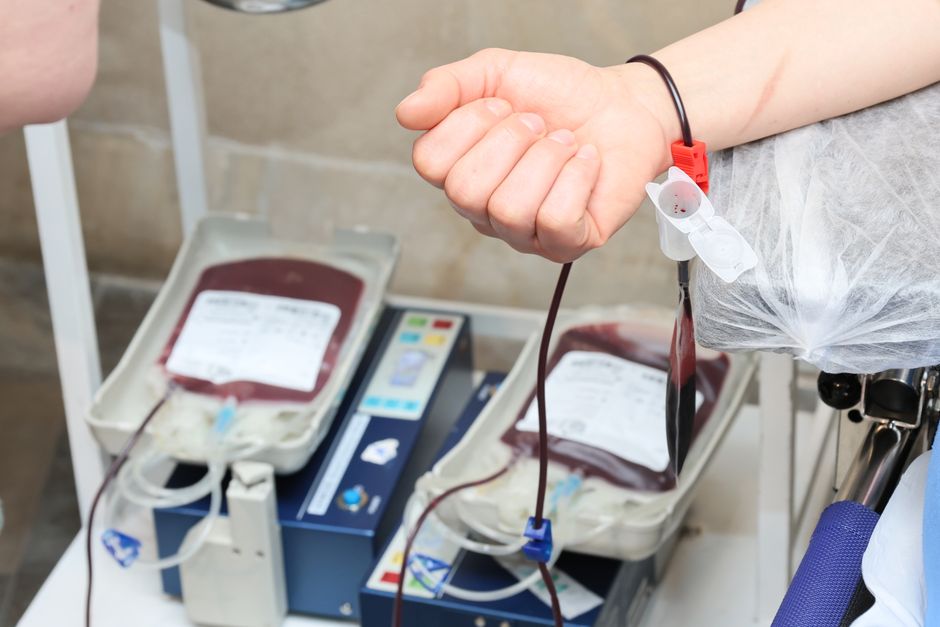
A blood transfusion without insurance typically costs between $1,000 and $3,000 for the transfusion service alone, but the total hospital bill often ranges from $2,000 to $5,000 or more. The final price depends on the number of blood units you need, the hospital’s markup, lab testing, and facility fees. Because hospitals set their own prices, the same transfusion can cost dramatically different amounts depending on where you receive it.
What Exactly Are You Paying For?
A blood transfusion is not a single product with one price tag. Your bill includes several separate charges that add up quickly.
The blood itself is the most obvious cost. Hospitals pay blood banks roughly $150 to $300 per unit of red blood cells. But that is the hospital’s cost, not your bill. Most hospitals mark up blood products by 100% to 300% before charging patients or insurers.
You will also see charges for:
- Blood typing and crossmatching — lab work to confirm your blood type and ensure donor blood is compatible. This usually costs $200 to $500.
- Compatibility testing — additional screening that can add several hundred dollars.
- Intravenous (IV) administration — supplies and nursing time to start the IV and monitor you during the transfusion.
- Facility fees — the hospital’s charge for using its space, equipment, and staff. These fees alone can be $500 to $2,000 or more.
- Physician fees — the doctor who orders and supervises the transfusion bills separately.
These component costs explain why the final bill is always higher than the price of the blood product itself.
How Much Does A Blood Transfusion Cost Without Insurance
When you have no insurance, hospitals expect you to pay cash or set up a payment plan. The sticker price for a single unit of red blood cells typically falls between $1,000 and $2,000 at most U.S. hospitals.
If you need two units — which is common — expect the total to land somewhere between $2,000 and $4,000 before facility and physician fees. Once those are added, a two-unit transfusion commonly results in a bill of $3,000 to $6,000.
Some patients receive bills well above this range. Urban teaching hospitals and large medical centers often charge more than rural community hospitals. Emergency department transfusions also carry higher fees than scheduled outpatient transfusions because of the urgent setting.
A small number of hospitals offer uninsured patients a discount for paying upfront. These cash prices sometimes run 20% to 50% lower than the standard billed charges. You have to ask for this price in advance. Hospitals rarely volunteer it.
Why Prices Vary So Much Between Hospitals
No federal law regulates what hospitals charge for blood products or transfusion services. Each hospital sets its own chargemaster — the master list of every service and supply price.
This creates enormous variation. A 2021 study published in JAMA Internal Medicine examined transfusion costs across U.S. hospitals and found that charges for a single unit of red blood cells ranged from under $1,000 to more than $5,000 depending on the facility.
Several factors drive these differences:
- Hospital type — non-profit and for-profit hospitals often have different pricing strategies
- Geographic region — urban hospitals on the coasts tend to charge more
- Negotiated rates — hospitals set high list prices knowing insurers negotiate discounts
- Blood supply costs — regional blood centers charge hospitals different rates based on collection and testing expenses
Uninsured patients face the full list price because they have no insurer to negotiate on their behalf. This is why asking for an itemized bill and a cash discount matters.




How Much Does a Blood Transfusion Cost With Insurance?
Insured patients rarely pay the full sticker price. Health plans negotiate discounted rates with hospitals in their networks.
The negotiated rate for a single unit of red blood cells typically falls between $400 and $800. Your out-of-pocket cost then depends on your deductible, copay, and coinsurance.
If you have not met your deductible, you may owe the full negotiated amount. Once your deductible is met, you typically pay a coinsurance percentage — often 10% to 30% — until you reach your out-of-pocket maximum.
Medicare covers medically necessary blood transfusions under Part B. If you have Medicare, you pay 20% of the approved amount after meeting your Part B deductible. Medigap or Medicare Advantage plans often cover this remaining 20%.
Medicaid covers transfusions for enrolled members with minimal or no out-of-pocket costs, depending on your state’s rules.
Are There Cheaper Alternatives to Hospital Transfusions?
Hospital outpatient departments are not your only option for a blood transfusion. Free-standing infusion centers and ambulatory surgery centers sometimes offer lower prices.
These facilities have lower overhead than hospitals. Their facility fees are typically smaller, and their blood product pricing is often closer to cost. Some charge 30% to 50% less than a hospital for the same transfusion.
Not every condition can be treated at an infusion center. If you are unstable or require close monitoring, a hospital is the appropriate setting. But if your doctor says you are stable and just need blood, ask whether an infusion center is a safe option.
Another consideration is whether you truly need a transfusion at all. Some patients with mild anemia can be treated with iron supplements, B12 injections, or medications that stimulate red blood cell production. These options cost far less than a transfusion. Your doctor can tell you whether your blood counts are low enough to require transfusion or whether conservative management is appropriate.
What If You Cannot Pay the Bill?
Do not ignore a hospital bill you cannot afford. Hospitals have financial assistance programs, and many are required to offer them as a condition of their non-profit tax status.
The Affordable Care Act requires non-profit hospitals to provide financial assistance to eligible uninsured patients. In practice, eligibility varies by hospital. Some offer free care to patients earning up to 200% of the federal poverty level. Others provide sliding-scale discounts to patients earning up to 400% of the poverty level.
You must apply for charity care. Ask for the hospital’s financial assistance application before the bill goes to collections. Many hospitals require you to apply within a specific window after treatment.
If you do not qualify for charity care, request a payment plan. Most hospitals offer interest-free monthly payment arrangements. A $4,000 bill spread over 12 months is $333 per month — far more manageable than a single lump sum.
Another option is negotiating. Hospitals sometimes reduce bills for uninsured patients who pay in full or commit to a structured payment schedule. Start by asking for an itemized bill and reviewing it for errors. Billing mistakes are common, and removing duplicate charges can lower your total.
How to Get an Accurate Price Estimate Before Your Transfusion
Federal law requires hospitals to publish their standard charges online and provide estimates to patients who request them. The No Surprises Act, which took effect in 2022, also requires hospitals to give uninsured patients a good-faith cost estimate upon request.
Call the hospital’s billing department before your transfusion and ask for a written estimate. Specify that you are uninsured and will be paying out of pocket. Ask for the price of:
- Each unit of blood product
- Blood typing and crossmatching
- IV administration
- Facility fees
- Physician fees
Request the estimate in writing. Verbal estimates are not binding, and the final bill can differ from what you were told over the phone.
Ask whether the hospital offers a cash discount for uninsured patients who pay at the time of service. Some hospitals discount self-pay bills by 20% to 40% if you pay upfront. This discount is not automatic — you must ask for it.
What About Blood Donation and Replacement Programs?
Some blood banks and hospitals waive or reduce blood product fees if family members or friends donate blood to replace the units you received. This practice is called a replacement donation program.
Not all hospitals participate. Those that do typically waive the blood replacement fee but still charge for processing, testing, and administration. The savings can be significant, but the process requires coordination before or shortly after your transfusion.
Ask your hospital’s blood bank whether they have a replacement program and what fees it eliminates. Some programs require donations within a specific timeframe, so ask early.
Directed donations — where a specific person donates blood intended for you — do not usually lower costs. The additional testing required for directed donations can actually increase the bill.
Frequently Asked Questions
Can I get a blood transfusion without insurance?
Yes, hospitals provide transfusions to uninsured patients, but you are responsible for the full bill.
Most hospitals offer financial assistance or payment plans if you do not qualify for charity care.
Does Medicare cover blood transfusions?
Medicare Part B covers medically necessary blood transfusions, but you pay 20% of the approved amount after your deductible.
You may also be responsible for the first three units of blood if the hospital does not have a replacement policy.
Why is my blood transfusion bill so high?
Your bill includes the blood product, lab testing, IV supplies, facility fees, and physician charges.
Hospitals mark up blood products significantly, and uninsured patients pay the full list price.
Can I negotiate my hospital blood transfusion bill?
Yes, hospitals often reduce bills for uninsured patients who ask for a discount or pay in full.
Start by requesting an itemized bill and asking about charity care and payment plans.
