
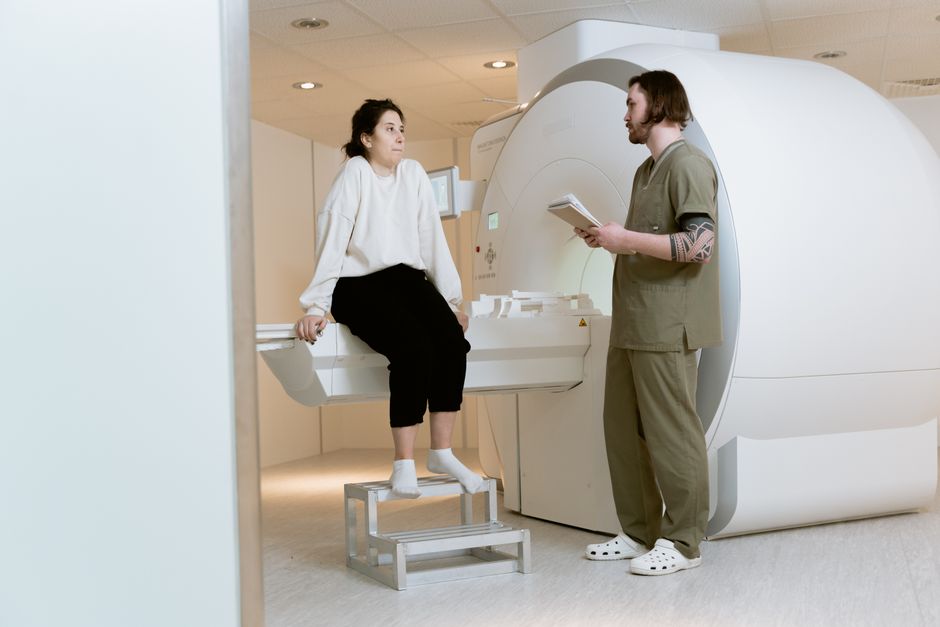
A DEXA scan typically costs between $150 and $400 without insurance. With insurance, your out-of-pocket cost usually falls between $0 and $50, depending on your plan’s copay or coinsurance. Medicare Part B covers DEXA scans every two years for qualifying individuals, with no out-of-pocket cost if your provider accepts assignment. These numbers are for a standard bone density scan of the hip and spine — full-body composition scans cost more and are often not covered by insurance.
What Exactly Is a DEXA Scan and Why Would You Need One?
A DEXA scan stands for Dual-Energy X-ray Absorptiometry. It is a low-dose X-ray that measures bone mineral density. Doctors use it most often to diagnose osteoporosis or osteopenia, which is low bone mass that is not yet osteoporosis.
The scan is quick — about 10 to 15 minutes. You lie on a padded table while a mechanical arm passes over your body. The radiation exposure is very low, roughly the same as a few hours of natural background radiation.
Your doctor might order a DEXA scan if you are a woman over 65, a man over 70, or someone who has had a fracture after age 50. Other reasons include long-term steroid use, rheumatoid arthritis, early menopause, or a family history of osteoporosis. The National Osteoporosis Foundation recommends screening for all women 65 and older and men 70 and older.
How Much Does a DEXA Scan Cost Without Insurance?
The cash price for a DEXA scan without insurance ranges from $150 to $400. The exact amount depends on your location, the facility type, and whether you get it at a hospital or an independent imaging center.
Hospital-based DEXA scans are almost always more expensive. A hospital might charge $350 to $600 for the same scan an independent clinic bills at $150 to $250. The difference comes from facility fees, which hospitals add onto the technical cost of the scan.
Independent radiology centers and some primary care offices offer the lowest cash prices. If you are paying out of pocket, call around and ask for the “self-pay” or “cash price.” Many facilities will quote you a lower rate than their standard billing price.
Full-body composition DEXA scans, which measure body fat percentage and muscle mass, cost more. These are typically not medical procedures and are not covered by insurance. Expect to pay $100 to $250 for a body composition DEXA at a wellness clinic or fitness center.
How Much Does a DEXA Scan Cost With Insurance?
Most insurance plans, including Medicare and private plans sold through the Affordable Care Act marketplaces, cover DEXA scans for people who meet specific medical criteria. The criteria usually include age, fracture history, and certain medical conditions.
With insurance, your cost depends on your plan’s structure. If you have a copay, it might be $20 to $50 for a specialist visit that includes the scan. If you have a deductible, you may pay the full cash price until your deductible is met. Once the deductible is met, your coinsurance typically covers 80% of the cost, leaving you with the remaining 20%.
For example, if a DEXA scan costs $300 and your coinsurance is 20%, you pay $60. If you have not met your deductible, you pay the full $300. Always call your insurance company before scheduling to confirm coverage and get an estimate of your out-of-pocket cost.



What About Medicare Coverage for DEXA Scans?
Medicare Part B covers a DEXA scan once every 24 months for people who meet specific criteria. You qualify if you are a woman whose doctor says you are estrogen-deficient and at risk for osteoporosis, or if your X-rays show possible osteoporosis or vertebral fractures.
You also qualify if you are on long-term steroid therapy, have primary hyperparathyroidism, or are being monitored for osteoporosis treatment. Men can qualify under the same criteria, though Medicare’s language historically emphasized women.
If your provider accepts Medicare assignment, you pay $0 for the scan. Medicare covers the full cost. If your provider does not accept assignment, you may pay up to 15% above the Medicare-approved amount. The Centers for Medicare and Medicaid Services set the national payment rate for DEXA scans at roughly $140 for the technical component and $40 for the professional interpretation.
One important detail: Medicare only covers DEXA scans for bone density, not for body composition. If you want a body fat measurement scan for fitness purposes, Medicare will not pay for it.
What Factors Affect the Final Price You Pay?
Several factors determine what you actually pay for a DEXA scan. The first is where you live. A scan in New York City or San Francisco costs more than the same scan in rural Kansas. Regional differences of $100 to $200 are common.
The second factor is the facility type. Hospital outpatient departments charge more than independent imaging centers. A 2022 analysis published in JAMA Internal Medicine found that hospital prices for imaging procedures were 40% to 60% higher than independent facility prices.
The third factor is whether you need a physician visit before the scan. If your doctor orders the scan during a regular appointment, there is no extra charge. If you need a separate consultation to get the order, that visit adds $100 to $300 to your total cost.
The fourth factor is whether you get a scan of one site or multiple sites. A scan of just the hip costs less than a scan of the hip and spine. Some doctors order a forearm scan as well, which increases the price.
Here is a quick comparison of typical costs:
| Scenario | Typical Cost |
|---|---|
| Cash price at independent imaging center | $150 – $250 |
| Cash price at hospital outpatient | $300 – $600 |
| Insurance copay (if applicable) | $20 – $50 |
| Insurance coinsurance (20% after deductible) | $30 – $80 |
| Medicare Part B (accepted assignment) | $0 |
| Full-body composition scan (cash, no insurance) | $100 – $250 |
How to Get the Lowest Price on a DEXA Scan
If you are paying cash, start by calling independent imaging centers in your area. Ask for the self-pay price for a bone density DEXA scan. Do not give them your insurance information unless you plan to use it. Cash prices are often lower than the rates negotiated with insurance companies.
Check websites like Healthcare Bluebook or Fair Health Consumer to see typical prices in your zip code. These tools give you a range so you know if a quoted price is reasonable. For a bone density scan, a fair cash price is usually under $200.
If you have insurance, call your insurer before scheduling. Ask three things: whether the scan is covered under your plan, whether you need prior authorization, and what your out-of-pocket cost will be at a specific facility. Write down the name of the representative and the reference number for the call.
Ask your doctor if they can refer you to a facility that offers a lower cash price. Some doctors have relationships with imaging centers that offer discounted rates for their patients. It never hurts to ask.
If you are paying cash and the price seems high, ask if the facility offers a discount for paying at the time of service. Many independent centers offer 10% to 20% off for same-day payment.
Common Misconceptions About DEXA Scan Costs
One common myth is that a DEXA scan is the same as a bone density screening at a pharmacy or health fair. It is not. Pharmacy screenings often use ultrasound of the heel or finger, which is less accurate and not diagnostic. Those screenings are cheap — $25 to $50 — but they do not replace a real DEXA scan.
Another misconception is that insurance always covers a DEXA scan if your doctor orders it. That is not true. Insurance companies follow the U.S. Preventive Services Task Force guidelines, which recommend screening for women 65 and older and younger women at increased risk. If you do not meet those criteria, your insurance may deny coverage, and you would pay the full cash price.
Some people think a DEXA scan is painful or involves significant radiation. It is neither. The scan is painless, and the radiation dose is about one-tenth of a standard chest X-ray. The risk from the radiation is extremely low — far lower than the risk of an undiagnosed osteoporosis-related fracture.
Finally, many people assume that a higher price means a better scan. That is not true either. A DEXA scan is a standardized procedure. The machine and the interpretation are essentially the same whether you pay $150 or $600. The difference is the facility’s overhead and markup, not the quality of the scan.
Frequently Asked Questions
How much does a DEXA scan cost without insurance in 2026?
Without insurance, a DEXA scan costs between $150 and $400. The price depends on your location and whether you use a hospital or an independent imaging center.
Does Medicare pay for DEXA scans?
Yes, Medicare Part B covers a DEXA scan every 24 months if you meet specific criteria. If your provider accepts assignment, you pay nothing.
Can I get a DEXA scan without a doctor’s order?
Some independent imaging centers and wellness clinics offer DEXA scans without a prescription, but insurance will not cover it. You pay the full cash price.
How often should you get a DEXA scan?
Most guidelines recommend a DEXA scan every two years for people at risk of osteoporosis. Your doctor may recommend more frequent scans if you are on certain medications or have had a fracture.
