
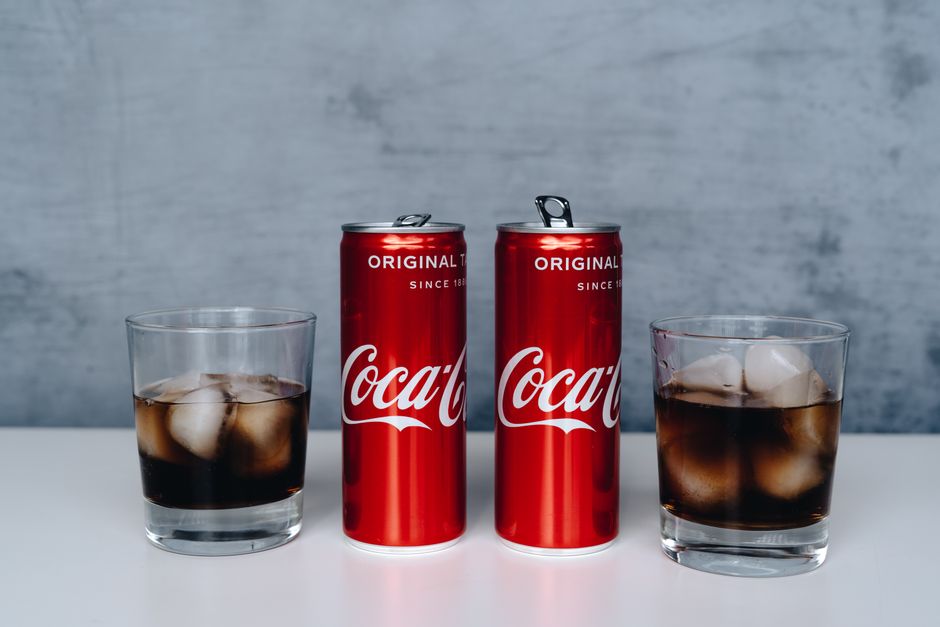
Most regular sodas contain between 30 and 55 milligrams of caffeine per 12-ounce can. A standard cola typically has about 34 milligrams, while citrus sodas like Mountain Dew contain around 54 milligrams. This is significantly less than coffee, which usually delivers 90 to 150 milligrams per 8-ounce cup. The exact amount depends entirely on the brand, the type of soda, and the serving size you pour.
How Much Caffeine Is In Popular Sodas?
Caffeine levels vary widely across different soda categories. Colas generally sit in the middle range. Clear citrus sodas and some energy-flavored sodas often contain more. Root beers, ginger ales, and most fruit-flavored sodas typically contain no caffeine at all.
Here is a general breakdown of common soda types per 12-ounce serving:
- Regular cola (Coca-Cola, Pepsi): 34 to 38 milligrams
- Citrus soda (Mountain Dew, Mello Yello): 45 to 55 milligrams
- Dr Pepper: 41 milligrams
- Root beer (most brands): 0 milligrams
- Ginger ale (most brands): 0 milligrams
- Sprite, 7-Up, Fresca: 0 milligrams
These figures come from standard nutrition labels published by the manufacturers. They are reliable for the standard formulas. Limited-edition flavors or regional variations can differ slightly from these numbers.
Why Do Some Sodas Have Caffeine And Others Do Not?
The original reason for caffeine in cola was practical. Caffeine is a bitter compound. Cola flavoring traditionally relied on a mix of sweet and bitter notes. The bitterness of caffeine helped balance the heavy sweetness of sugar or corn syrup.
Many non-cola sodas never had that flavor requirement. Sprite and 7-Up were marketed as clear, refreshing drinks with a pure lemon-lime taste. Adding caffeine would have changed that flavor profile. Root beer and ginger ale relied on their own complex spice blends for taste, so caffeine was unnecessary.
Today, caffeine serves a different purpose for many manufacturers. It is an addictive substance, and some research suggests its presence encourages repeat purchases. Some soda makers add caffeine to drinks that traditionally never contained it, specifically to compete with energy drinks. This is why you now see caffeinated versions of drinks like Vault or energy-flavored variants of existing soda brands.
How Does Soda Caffeine Compare To Coffee And Tea?
The difference between soda and coffee is substantial. A standard 8-ounce cup of brewed coffee contains roughly 90 to 150 milligrams of caffeine. A 12-ounce can of cola contains about 34 milligrams. You would need to drink three to four cans of cola to match the caffeine in a single cup of coffee.
Tea sits in between. An 8-ounce cup of black tea usually contains 40 to 70 milligrams. That is close to a can of soda, but tea is typically consumed in smaller volumes. A 12-ounce glass of iced tea can easily exceed the caffeine in a can of soda.
Energy drinks are a different category entirely. An 8-ounce energy drink can contain 80 milligrams or more. Many energy drinks come in 16-ounce cans, pushing the total caffeine content above 160 milligrams per can. That approaches or exceeds the caffeine in a large cup of coffee.
One important point about soda caffeine: the serving size matters. Most people drink an entire 12-ounce can in one sitting. But 20-ounce bottles are common. A 20-ounce bottle of cola contains roughly 57 milligrams of caffeine. That is still less than a standard cup of coffee, but it is not negligible.




Is Caffeine In Soda A Health Concern?
For most healthy adults, moderate caffeine intake is not a concern. The FDA has cited 400 milligrams per day as a level not generally associated with dangerous negative effects. That equals roughly nine to twelve cans of regular cola. It is difficult but not impossible to reach that level with soda alone.
The bigger concern with soda is not caffeine. It is sugar. A 12-ounce can of regular cola contains about 39 grams of added sugar. That is more than the American Heart Association’s recommended daily limit for most men and nearly double the recommended limit for women. The caffeine in soda may mask fatigue and encourage you to drink more, but the sugar load is the primary health issue.
Diet sodas remove the sugar problem but introduce another question. Some research has examined whether artificial sweeteners affect appetite or metabolism. The evidence is mixed. Large observational studies have found associations between daily diet soda consumption and certain health conditions, but these studies cannot prove cause and effect. People who drink diet soda daily often have other lifestyle factors that complicate the picture.
For caffeine-sensitive individuals, soda can still cause problems. Insomnia, jitteriness, and rapid heartbeat can occur at much lower doses in some people. If you are sensitive to caffeine, even a single can of cola in the afternoon can disrupt your sleep that night. Pay attention to your personal response rather than relying only on population averages.
Does Caffeine In Soda Dehydrate You?
This is a common myth that persists despite evidence to the contrary. Caffeine is a mild diuretic, meaning it can increase urine production. But the effect is temporary and relatively weak. Research has consistently shown that moderate caffeine consumption does not lead to dehydration.
The fluid in the soda itself more than compensates for any additional water loss from the caffeine. A 12-ounce can of cola provides roughly 12 ounces of fluid. The diuretic effect of 34 milligrams of caffeine is minimal. Studies have found no meaningful difference in hydration status between people drinking caffeinated beverages and those drinking water.
This only becomes relevant at very high caffeine doses. Consuming more than 500 milligrams of caffeine in a short period can produce noticeable fluid loss. But that would require drinking more than a dozen cans of soda quickly. At that point, the sheer volume of liquid would cause problems regardless of caffeine content.
How Much Caffeine In Soda Drinks Compared To Decaf Options?
Decaffeinated sodas are not completely caffeine-free. The decaffeination process removes most of the caffeine but not all of it. A 12-ounce can of caffeine-free cola typically contains 1 to 3 milligrams of caffeine. This trace amount is unlikely to have any noticeable effect on most people.
Truly caffeine-free sodas include most root beers, ginger ales, lemon-lime sodas, and fruit-flavored sodas. These are made without caffeine as an ingredient from the start. They are not decaffeinated versions of caffeinated drinks. They simply never contained caffeine.
If you are avoiding caffeine entirely, read the label carefully. Some brands add caffeine to drinks you might not expect. Certain orange sodas and grape sodas now contain caffeine, especially those marketed with an energy positioning. The label must list caffeine as an ingredient when it is added. If caffeine is not listed, the drink contains none beyond trace amounts.
Does Caffeine Content Vary By Country?
Yes, and this surprises many people. The same soda brand can have different caffeine levels in different countries. This is not a marketing decision. It is often a regulatory one.
Some countries have specific limits on caffeine in beverages. Others require caffeine to be listed differently on nutrition labels. When a manufacturer reformulates a product to meet local regulations, the caffeine content can change. The taste profile may also shift slightly because caffeine contributes bitterness.
This is rarely a practical concern for most consumers. You are unlikely to notice the difference between 34 milligrams in one country and 38 milligrams in another. But if you are tracking your caffeine intake precisely, do not assume the number on a US label applies to a product purchased elsewhere.
Frequently Asked Questions
Which soda has the most caffeine?
Mountain Dew contains about 54 milligrams per 12-ounce can, which is among the highest for mainstream sodas. Some regional or specialty sodas exceed this, but they are less common and often sold in smaller bottles.
Is caffeine in soda the same as caffeine in coffee?
Yes, the caffeine molecule is identical regardless of the source. The difference is purely in the dose and how quickly you consume it.
Can caffeine in soda keep you awake at night?
Yes, especially if you are sensitive to caffeine or drink soda in the afternoon or evening. Caffeine has a half-life of about 5 to 6 hours, meaning half of it is still in your system hours after you finish the can.
Is it safe to drink caffeinated soda every day?
For most healthy adults, a can or two per day is well within generally recognized safe limits. The larger concern is the added sugar in regular sodas, not the caffeine itself.
