
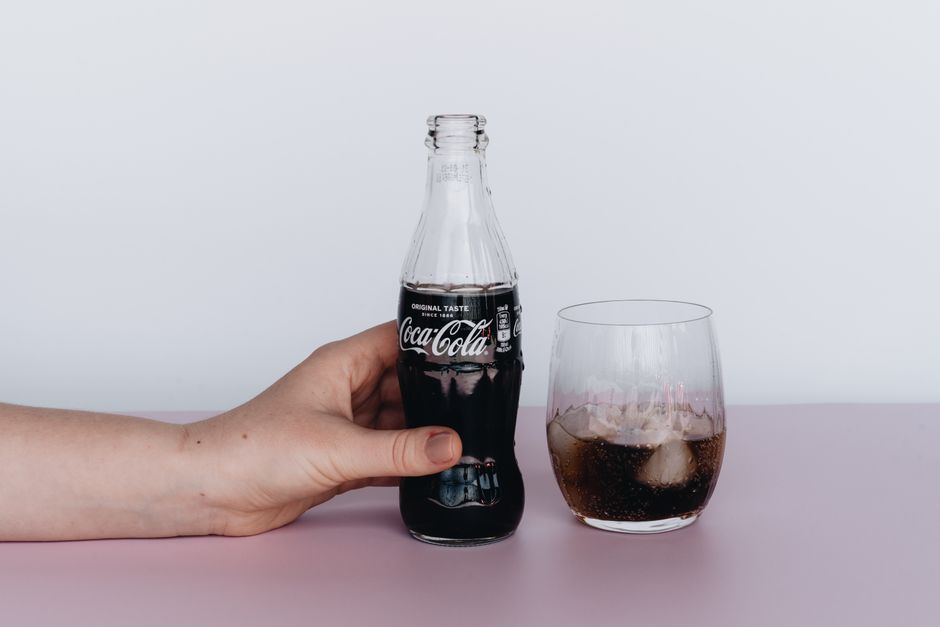
A standard 12-ounce can of Coca-Cola contains 34 milligrams of caffeine. That is less than a third of the caffeine in a typical 8-ounce cup of coffee, which has about 95 milligrams. Many people are surprised by this number because they assume all sodas are highly caffeinated. The reality is that Coca-Cola sits on the lower end of the caffeine spectrum among popular drinks.
How Much Caffeine In A Can Of Coca Cola Compared to Other Sodas?
Coca-Cola’s 34 milligrams per 12-ounce can is moderate compared to other sodas. Pepsi contains 38 milligrams per 12-ounce can, slightly more but still close. Mountain Dew has 54 milligrams per 12-ounce can, which is about 60% more than Coca-Cola.
Dr Pepper falls in between with 41 milligrams per 12-ounce can. Root beer and most lemon-lime sodas like Sprite and 7UP contain zero caffeine. So if you are trying to cut back on caffeine but still want a fizzy drink, those are clear options.
Energy drinks are a different category entirely. A standard 16-ounce Monster Energy has 160 milligrams of caffeine. A 12-ounce Red Bull has 111 milligrams. Comparing a can of Coca-Cola to these drinks is like comparing a light rain to a thunderstorm.
Does the Caffeine Amount Change for Different Sizes of Coca-Cola?
Yes, the caffeine content scales directly with the size of the drink. A 7.5-ounce mini can has about 21 milligrams. A 12-ounce standard can has 34 milligrams. A 16-ounce bottle has 45 milligrams. A 20-ounce bottle has 57 milligrams.
If you buy a 2-liter bottle at the grocery store, the math is straightforward. Two liters is about 67 ounces, which works out to roughly 190 milligrams of caffeine for the entire bottle. That is about two cups of coffee worth of caffeine spread across many servings.
The important thing to remember is that these numbers are for original Coca-Cola. Diet Coke contains 46 milligrams per 12-ounce can, which is actually more caffeine than regular Coca-Cola. Coca-Cola Zero Sugar contains 34 milligrams, the same as regular.
How Does Caffeine in Coca-Cola Affect Your Body?
Caffeine is a stimulant that blocks adenosine receptors in your brain. Adenosine is the chemical that makes you feel tired. By blocking it, caffeine keeps you feeling alert. The effects start about 15 to 45 minutes after you drink it and can last for several hours.
For most healthy adults, 34 milligrams is a small dose. The FDA considers 400 milligrams per day as safe for most adults, which is roughly the amount in four cups of coffee. A single can of Coca-Cola represents less than 10% of that daily limit.
However, individual sensitivity varies. Some people feel jittery or anxious after even small amounts of caffeine. Others can drink multiple cans without noticing much. Research published in the Journal of the American Heart Association has shown that moderate caffeine intake does not increase the risk of heart rhythm problems for most people.
Children and teenagers are more sensitive to caffeine. The American Academy of Pediatrics recommends that children under 12 avoid caffeine entirely and that adolescents limit their intake to less than 100 milligrams per day. A single can of Coca-Cola for a 10-year-old would exceed what is recommended for their age group.





What About Caffeine in Coca-Cola Compared to Coffee and Tea?
The difference between caffeine in soda and caffeine in coffee is large. A standard 8-ounce cup of brewed coffee has about 95 milligrams of caffeine, nearly three times what is in a 12-ounce Coca-Cola. A 1-ounce shot of espresso has 63 milligrams, almost double the soda.
Tea is closer to soda in caffeine content. An 8-ounce cup of black tea has about 47 milligrams of caffeine. Green tea has about 28 milligrams. So a can of Coca-Cola has slightly more caffeine than a cup of green tea but less than black tea.
One common misconception is that dark sodas always have more caffeine than clear ones. That is not true. The color of the soda comes from caramel coloring, not caffeine. Some clear sodas like Mountain Dew have more caffeine than Coca-Cola, while some dark sodas like root beer have none at all.
| Drink | Serving Size | Caffeine (mg) |
|---|---|---|
| Coca-Cola | 12 oz | 34 |
| Diet Coke | 12 oz | 46 |
| Pepsi | 12 oz | 38 |
| Mountain Dew | 12 oz | 54 |
| Brewed Coffee | 8 oz | 95 |
| Black Tea | 8 oz | 47 |
| Green Tea | 8 oz | 28 |
Is the Caffeine in Coca-Cola Natural or Added?
The caffeine in Coca-Cola is added during manufacturing. It is not naturally occurring in the drink. Coca-Cola uses a synthetic caffeine that is chemically identical to the caffeine found in coffee beans and tea leaves. The body processes it the same way.
Some people worry that added caffeine in soda is somehow worse than natural caffeine. There is no evidence for this. The chemical structure is identical. The difference is in the delivery system. Soda contains sugar and other ingredients that affect how your body absorbs the caffeine.
Coca-Cola originally contained cocaine, not caffeine. The original formula from 1886 included coca leaf extract, which contained trace amounts of cocaine. By 1903, the company removed the cocaine and replaced it with extra caffeine. The name “Coca-Cola” still reflects that original history, but the modern drink contains no cocaine whatsoever.
The amount of caffeine in Coca-Cola has stayed relatively stable over the decades. The company has not significantly changed the formula in response to health trends, unlike some other beverage companies that have introduced reduced-caffeine versions.
Common Misconceptions About Caffeine in Coca-Cola
One of the most persistent myths is that Coca-Cola has more caffeine than coffee. This is simply not true. A can of Coca-Cola has about one-third the caffeine of a cup of coffee. The myth may come from the fact that soda is often consumed in larger volumes than coffee, but even comparing equal volumes, coffee has more caffeine.
Another common belief is that caffeine in soda dehydrates you. While caffeine does have a mild diuretic effect, the amount in a can of Coca-Cola is too small to cause significant fluid loss. Research published in the journal PLOS ONE found that moderate caffeine intake does not lead to dehydration when consumed as part of a normal diet.
Some people think that caffeine-free Coca-Cola tastes different from the regular version. Blind taste tests have not consistently shown a difference. The caffeine itself has almost no flavor at the concentration used in soda. Any perceived taste difference is likely psychological or due to other minor formula variations.
There is also a belief that drinking warm Coca-Cola delivers more caffeine than drinking it cold. Temperature does not affect caffeine content. The amount of caffeine is fixed by the formula. Temperature only affects how quickly you might drink it, not how much caffeine you consume.
Frequently Asked Questions
How much caffeine is in a 12-ounce can of Coca-Cola?
A 12-ounce can of Coca-Cola contains 34 milligrams of caffeine. This is less than a third of the caffeine in a typical cup of coffee.
Does Diet Coke have more caffeine than regular Coca-Cola?
Yes, Diet Coke contains 46 milligrams of caffeine per 12-ounce can. That is about 35% more than regular Coca-Cola.
Is there caffeine in Coca-Cola Zero Sugar?
Yes, Coca-Cola Zero Sugar contains 34 milligrams of caffeine per 12-ounce can. This is the same amount as regular Coca-Cola.
How much caffeine is safe to drink in a day?
The FDA considers up to 400 milligrams of caffeine per day as safe for most healthy adults. This equals about 12 cans of Coca-Cola.
