
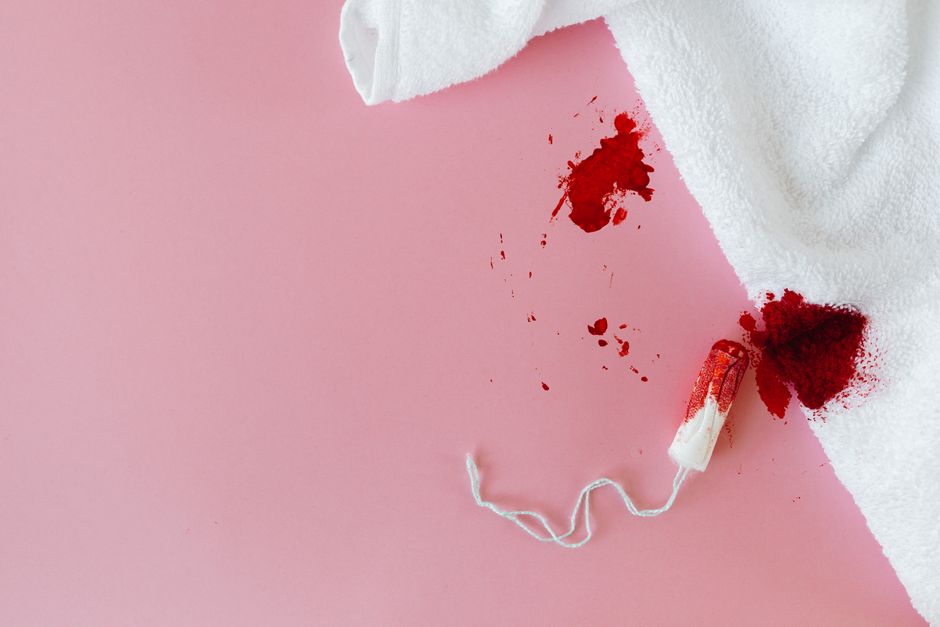
Most women lose between 30 and 80 milliliters of blood during a typical period. That works out to roughly two to five tablespoons spread across the entire bleed. It looks like far more because it mixes with mucus, tissue, and fluid from the uterus.
That number surprises almost everyone. A heavy-looking pad or a bright red toilet bowl makes the volume seem enormous. But measured blood loss, when researchers actually collect and weigh menstrual products, is much smaller than it appears.
Knowing the real range matters. It helps you tell a normal period from one worth mentioning to a doctor.
How Much Blood Do Women Lose On Their Period?
A normal period involves about 30 to 80 milliliters of blood. The American College of Obstetricians and Gynecologists uses this range as a general reference for what is considered typical.
Here is what that looks like in everyday terms:
- 30 milliliters is about two tablespoons
- 80 milliliters is a little over five tablespoons
- A “light” period often falls near the low end
- A “heavy” period can sit at the high end or beyond
The fluid you see is not pure blood. It is a mix of blood, endometrial tissue, cervical mucus, and vaginal secretions. The blood itself makes up only part of the total. This is why a period can look dramatic while the actual blood volume stays modest.
Anything above 80 milliliters is generally classified as heavy menstrual bleeding. That threshold matters because it is linked to a higher chance of iron deficiency anemia. But the number alone does not define a problem. How it affects your daily life matters just as much.
Why Does Period Blood Look Like So Much More?
Perception and measurement rarely match. Several things make menstrual loss appear larger than it is.
Menstrual fluid spreads across the surface of a pad or tampon. A small amount of blood can stain a wide area. The color also changes how much we notice it. Fresh red blood against white cotton draws the eye.
Water makes up a large share of menstrual fluid. It dilutes the blood and increases the total volume you see without adding much actual blood. Clots add to the impression of heaviness, though many clots are normal.
There is also a simple psychological effect. We tend to overestimate anything that feels alarming or inconvenient. Studies that asked women to estimate their own blood loss found that self-estimates often do not match measured amounts. Some women underestimate. Many overestimate.
This is not a flaw in your judgment. It is just how human perception works. A visual estimate of menstrual loss is genuinely hard to make accurately.
What Counts As Heavy Menstrual Bleeding?
Heavy menstrual bleeding is defined as more than 80 milliliters of blood per cycle. But doctors rarely measure this directly. Instead, they rely on patterns and symptoms.
Signs that may point to heavy bleeding include:
- Soaking through a pad or tampon every hour for several hours in a row
- Needing to change protection during the night
- Passing blood clots larger than a quarter
- Bleeding that lasts longer than seven days
- Feeling tired, weak, or short of breath during your period
These signs are not a diagnosis. They are reasons to check in with a clinician. Heavy bleeding has many possible causes, and some are treatable.
Common causes include uterine fibroids, hormonal imbalances, thyroid problems, and bleeding disorders. In some cases, no clear cause is found. That does not mean nothing can be done. It means the focus shifts to managing symptoms and protecting iron levels.
One non-obvious point: heavy bleeding and iron deficiency often travel together, but not always in obvious ways. You can have a period that seems manageable and still run low on iron over time. Fatigue that builds across months is worth mentioning to a doctor.





How Do Doctors Measure Menstrual Blood Loss?
Direct measurement is uncommon in routine care. The most accurate method is the alkaline hematin method. It involves collecting used pads and tampons and extracting the blood to measure it precisely.
This method is used mainly in research. It is too impractical for normal clinic visits. So in everyday practice, doctors use other tools.
A menstrual diary can help. Tracking how often you change protection, how saturated it gets, and how many days you bleed gives useful information. Pictorial blood loss charts exist too. These show images of stained products and ask you to match what you see. They are not perfect, but they can help estimate whether bleeding falls in a normal range.
Blood tests often play a role. A complete blood count checks for anemia. Ferritin testing checks iron stores. These can reveal the effects of heavy bleeding even when the exact volume is unknown.
Does The Type Of Protection Change How Much You Lose?
No. Pads, tampons, and menstrual cups do not change how much blood your body sheds. They only change how it is collected and how it looks.
Menstrual cups are sometimes used to estimate volume because they have measurement lines. This can be helpful, but it is not precise. Cups collect the full menstrual fluid, not just blood, so the number on the cup overstates actual blood loss. It can still give you a rough sense of whether your flow is light, medium, or heavy.
What matters more than the product type is how often you need to change it. Needing a new tampon or pad every hour for several hours is a signal worth paying attention to, regardless of what you use.
When Should You Talk To A Doctor?
Talk to a clinician if your periods interfere with daily life. That is the clearest practical guide. If you are missing work, canceling plans, or planning your day around bathroom access, that is worth a conversation.
Other reasons to seek care include bleeding between periods, bleeding after sex, or periods that suddenly become much heavier than usual. A change from your normal pattern is meaningful even if the absolute amount seems fine.
Signs of possible anemia also deserve attention. These include persistent fatigue, pale skin, shortness of breath with mild activity, and a racing heartbeat. Iron deficiency from heavy periods is common and treatable.
There is no need to wait until things feel severe. Heavy bleeding is one of the most common reasons women see a gynecologist. Bringing it up early often makes it easier to find the cause and address it.
What Does A Normal Period Actually Feel Like?
Normal varies widely. Some women have light two-day periods. Others have heavier five-day ones. Both can be perfectly healthy.
A typical cycle runs about 21 to 35 days from the first day of one period to the first day of the next. Bleeding usually lasts three to seven days. The first day or two tends to be heaviest.
What is normal for you is the best baseline. If your periods are consistent and do not disrupt your life, they are likely fine. If something changes and stays changed, that is the signal to look closer.
The 30 to 80 milliliter range is a useful reference, not a rule you need to verify. You cannot measure your own blood loss at home with any real precision, and you do not need to. Pay attention to how you feel and how your periods affect your days. That tells you more than any estimate ever will.
Frequently Asked Questions
How many milliliters of blood is a normal period?
A normal period involves about 30 to 80 milliliters of blood, according to general clinical reference ranges. This is the blood portion only, not the full menstrual fluid you see.
Is 100 ml of blood loss on a period heavy?
Yes. Blood loss above 80 milliliters per cycle is generally classified as heavy menstrual bleeding. That level is linked to a higher risk of iron deficiency anemia and is worth discussing with a doctor.
How can I tell if I am losing too much blood on my period?
Soaking through a pad or tampon every hour for several hours, passing large clots, or bleeding longer than seven days are signs to check with a clinician. Fatigue and shortness of breath can also point to blood loss affecting your iron levels.
Does period blood loss include clots and tissue?
The 30 to 80 milliliter range refers to blood, not the full fluid you see. Menstrual flow also contains endometrial tissue, mucus, and other fluids, so the total volume is larger than the blood alone.
