
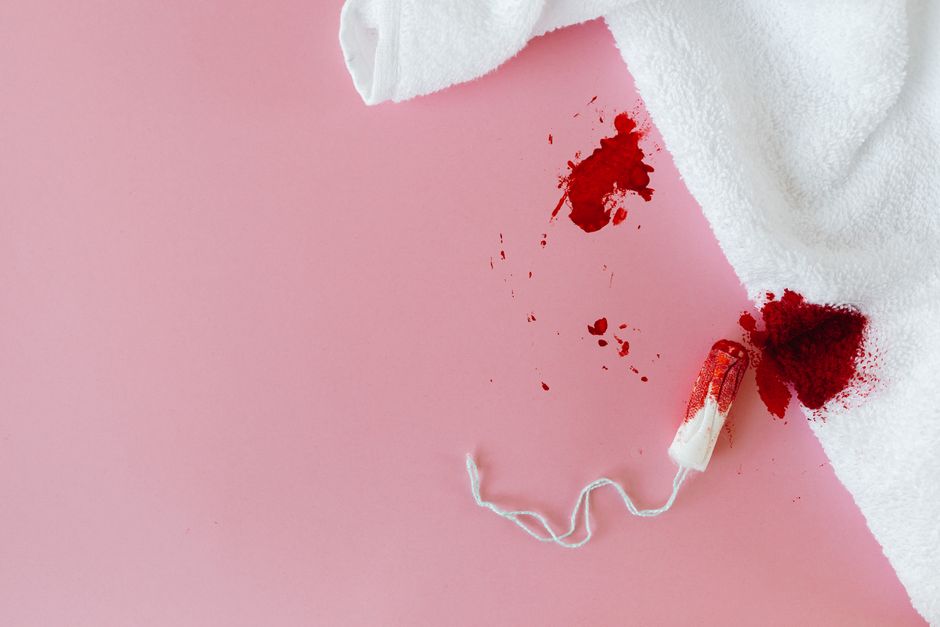
Seeing blood clots in your menstrual flow can be surprising, but for most people it is a normal part of a period. These clots are simply a mix of blood and tissue that your uterus sheds each month. The size and frequency vary from person to person, and understanding why they form can help you know when they are a normal occurrence and when they might warrant a conversation with a doctor.
Why Do Blood Clots Come Out During Your Period?
Your body releases natural anticoagulants to keep menstrual blood flowing freely. When the flow is heavy, these chemicals cannot work fast enough. The blood begins to pool and thicken before it leaves your body, which forms a clot.
Think of it like a river. A slow river moves silt along easily. A fast flood can overwhelm the banks and carry debris. In your uterus, a heavy flow simply outpaces the body’s natural blood thinners. The result is a jelly-like clump of blood and endometrial tissue that passes through the cervix.
These clots are usually dark red, maroon, or even a bit brownish when they have been sitting in the uterus for a while. Bright red clots are also common during the heaviest days of bleeding. The presence of clots alone is not a sign of a problem, but the size and quantity can be important clues.
What Do Normal Menstrual Clots Look Like?
A typical clot is smaller than a quarter. You might see several of these during the first two days of your period when the flow is at its peak. They often appear in the toilet bowl or on a pad as a thick, stringy, or gelatinous mass.
Normal clots are soft and break apart easily. They are not firm or rubbery. If you are passing clots that are larger than a quarter, or if you are soaking through a pad or tampon every hour for several hours in a row, that is considered heavy menstrual bleeding. This is a specific medical condition, not just an inconvenience.
Heavy menstrual bleeding, sometimes called menorrhagia, affects many people assigned female at birth. It is defined not just by clot size but by the overall volume of blood lost. If you are changing protection more than once an hour or passing clots larger than a quarter, it is worth discussing with a healthcare provider.
What Causes Heavy Bleeding and Larger Clots?
Several conditions can cause the uterus to bleed more heavily, which in turn leads to larger clots. The most common cause is a hormonal imbalance. When estrogen and progesterone are out of sync, the uterine lining can build up thicker than usual. A thicker lining means more tissue to shed and more blood to pass.
Uterine fibroids are another frequent cause. These are non-cancerous growths in the muscle wall of the uterus. They do not always cause symptoms, but when they do, heavy bleeding and clots are among the most common. Fibroids can change the shape of the uterine cavity and affect how the uterine muscle contracts, which can interfere with the body’s ability to stop bleeding efficiently.
Adenomyosis is a less commonly discussed condition. It occurs when the endometrial tissue that normally lines the uterus grows into the muscular wall of the uterus. This can make the uterus enlarged and cause very heavy, painful periods with significant clotting.
Endometrial polyps can also contribute. These are small, benign growths on the lining of the uterus. They can cause irregular bleeding and heavier flows, though many people with polyps have no symptoms at all.
Some research suggests that a condition called von Willebrand disease, a bleeding disorder, is underdiagnosed in people with heavy periods. If you have had heavy periods since your very first one, and you also bruise easily or have frequent nosebleeds, it can be worth asking your doctor about this.





When Should You See a Doctor About Period Clots?
You should not have to manage a period that disrupts your life. If you are passing clots larger than a quarter on a regular basis, or if you are soaking through a pad or tampon every hour for more than a few hours, make an appointment. These are signs that you are losing more blood than is healthy, and that can lead to anemia.
Anemia from heavy periods can make you feel tired, weak, and short of breath. It happens because your body is losing iron faster than it can replace it. This is a common and very treatable consequence of heavy bleeding, but it should not be ignored.
Other symptoms that warrant a prompt medical visit include:
- Clots that are accompanied by severe pelvic pain
- Bleeding that lasts longer than seven days
- A sudden change in your normal pattern of bleeding
- Clots after you have been through menopause
- Bleeding between periods
If you are pregnant and experiencing bleeding with clots, seek medical attention immediately. Bleeding during pregnancy is different from a menstrual period and requires urgent evaluation.
What Treatments Are Available for Heavy Bleeding?
The right treatment depends on the underlying cause. A doctor will typically start with a physical exam, a review of your symptoms, and possibly an ultrasound to look at the structure of your uterus. Blood tests can check for anemia and thyroid problems, which can also affect menstrual flow.
Hormonal birth control is a common first-line treatment. Pills, hormonal IUDs, and other methods can thin the uterine lining, which reduces the amount of tissue and blood you shed. The hormonal IUD is particularly effective for this purpose and is often recommended specifically for heavy bleeding.
Tranexamic acid is a non-hormonal medication that helps your blood clot more effectively. It is taken only during your period and can significantly reduce blood loss. It does not affect fertility and is not a contraceptive.
For fibroids or polyps, surgical options may be considered. A myomectomy removes fibroids while preserving the uterus. A polypectomy removes polyps. In more severe cases, or when other treatments have not worked, endometrial ablation or hysterectomy may be discussed. These are major decisions that should be made carefully with your healthcare team.
Non-steroidal anti-inflammatory drugs (NSAIDs) like ibuprofen can reduce pain and, to a lesser degree, reduce bleeding when taken during your period. They are not a primary treatment for heavy bleeding but can be a helpful part of a broader plan.
Can Lifestyle Changes Affect Menstrual Clots?
There is no reliable evidence that diet or exercise can cure heavy bleeding or eliminate clots. Some people find that staying well-hydrated and maintaining a balanced diet helps them feel better overall, but these habits do not change the underlying mechanics of your uterine lining.
Iron-rich foods can help if you are losing a lot of blood. Leafy greens, red meat, beans, and fortified cereals are good sources. If you develop anemia, your doctor may recommend an iron supplement. Do not start iron supplements without a blood test confirming low iron, because excess iron can be harmful.
Heat packs and gentle movement can help with cramping, but they will not change the volume of your flow. The most effective approach is to speak with a doctor about the specific cause of your heavy bleeding.
Is It Ever an Emergency?
Heavy bleeding that soaks through a pad or tampon every hour for two or more consecutive hours is a medical emergency. This level of blood loss can make you dizzy, lightheaded, or faint. If this happens, go to an emergency room.
Passing a clot the size of a lemon or larger is also a reason to seek urgent care. While it can be alarming to see, the more important issue is the total volume of blood you are losing, not the size of any single clot. Your body can tolerate losing a certain amount of blood, but there is a limit.
If you feel weak, have chest pain, or are breathing rapidly along with heavy bleeding, do not wait for an appointment. These are signs that your body is struggling to compensate for blood loss.
Frequently Asked Questions
Are blood clots during your period normal?
Yes, small clots smaller than a quarter are normal, especially on the heaviest days of your period. Larger clots or clots that happen with very heavy bleeding are not.
Why does my period have jelly-like blood clots?
Jelly-like clots are just blood and tissue that have pooled in the uterus before being expelled. They are more common when your flow is heavy enough to outpace your body’s natural blood thinners.
Can stress cause blood clots in your period?
Stress can disrupt your hormone balance and lead to a heavier or irregular period, which can increase clotting. The clot itself is caused by the heavy flow, not directly by stress.
What size period clot is too big?
Clots larger than a quarter are considered a sign of heavy menstrual bleeding. If you regularly pass clots this size, you should talk to a doctor about evaluation and treatment options.
